

On This Day in Sports: February 12, 1994
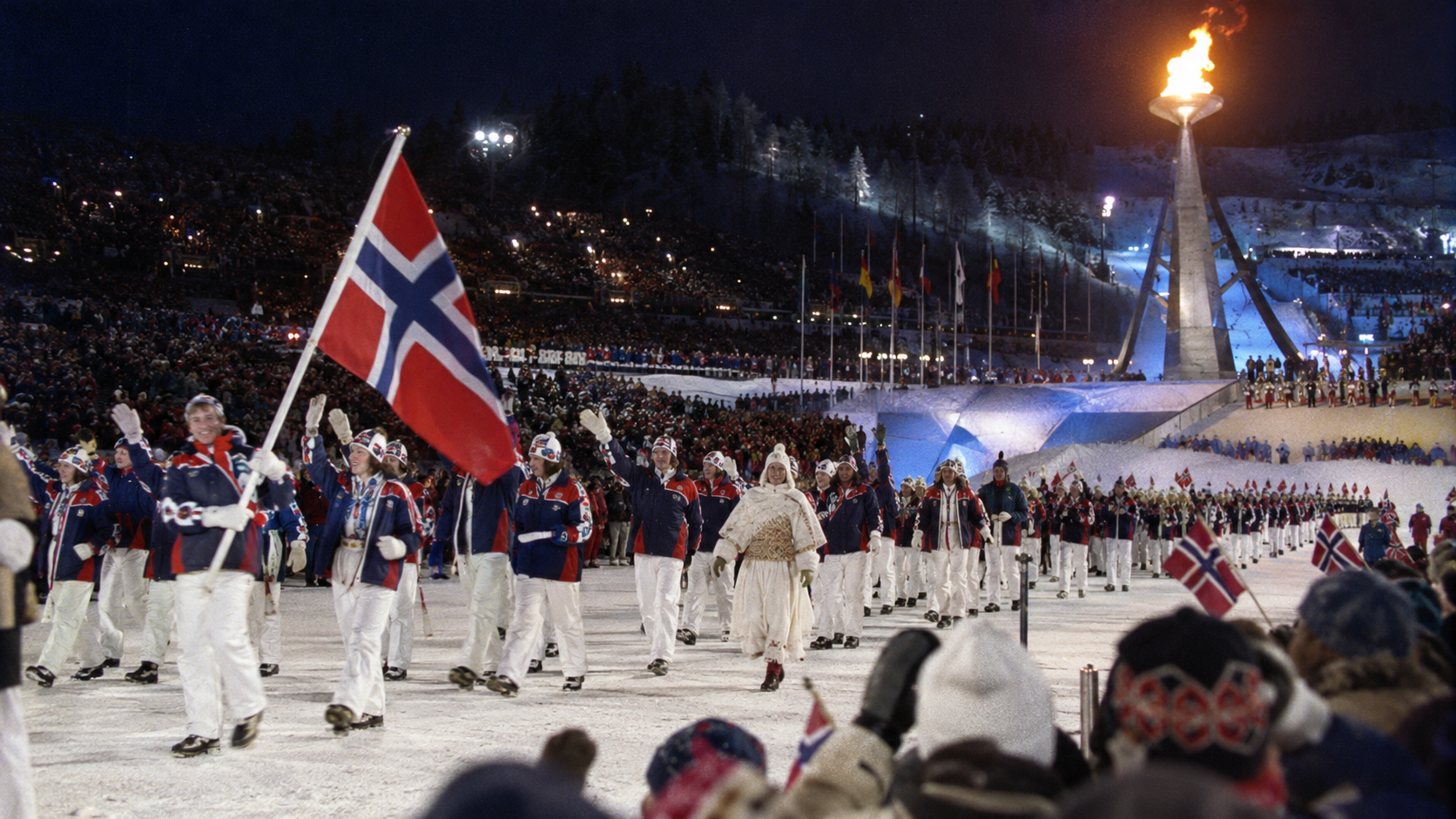
On February 12, 1994, the XVII Olympic Winter Games opened in Lillehammer, Norway. The ceremony began a 16-day festival spread through a region closely associated with skiing and winter culture. Lillehammer’s organizers placed the natural landscape at the center of the event, using venues designed to fit the surrounding hills and emphasizing public transportation, energy efficiency and environmental planning.
The Games were also historically unusual. The Winter and Summer Olympics had previously been held in the same calendar year, but the International Olympic Committee shifted them to alternating even-numbered years. Lillehammer therefore opened only two years after the 1992 Winter Games in Albertville and established the scheduling pattern that continues today. Athletes from 67 nations competed in 61 medal events across six sports.
Competition produced enduring moments across the program. Norway’s speed skaters and cross-country skiers performed before enthusiastic home crowds, while international stars including Johann Olav Koss, Manuela Di Centa and Bonnie Blair added to their Olympic legacies. The Games also drew intense attention to figure skating, where the women’s competition became one of the most watched sporting events of the decade.
Lillehammer is frequently remembered as a model Winter Olympics: visually distinctive, widely supported and closely tied to its host community. Later Games grew larger and more complex, but the 1994 event demonstrated how regional identity and careful venue planning could shape the entire atmosphere. Its influence survives in the idea that hosting should mean more than staging events—it should connect the Games to place, culture and long-term use.
Lillehammer opened only two years after Albertville because the Winter Games moved to a new schedule.
Sixty-seven nations participated in 61 medal events.
Organizers emphasized compact venues, public transport and environmental planning.
Norwegian athletes delivered major victories before large home crowds.
The Games established the alternating Summer-Winter Olympic calendar still used today.
Lillehammer remains one of the most admired hosts in Winter Olympic history.
Explore more "On This Day in Sports"
Discover more landmark games, records, championships, and turning points from sports history. Each day revisits the athletes, teams, and moments that shaped competition and culture.