

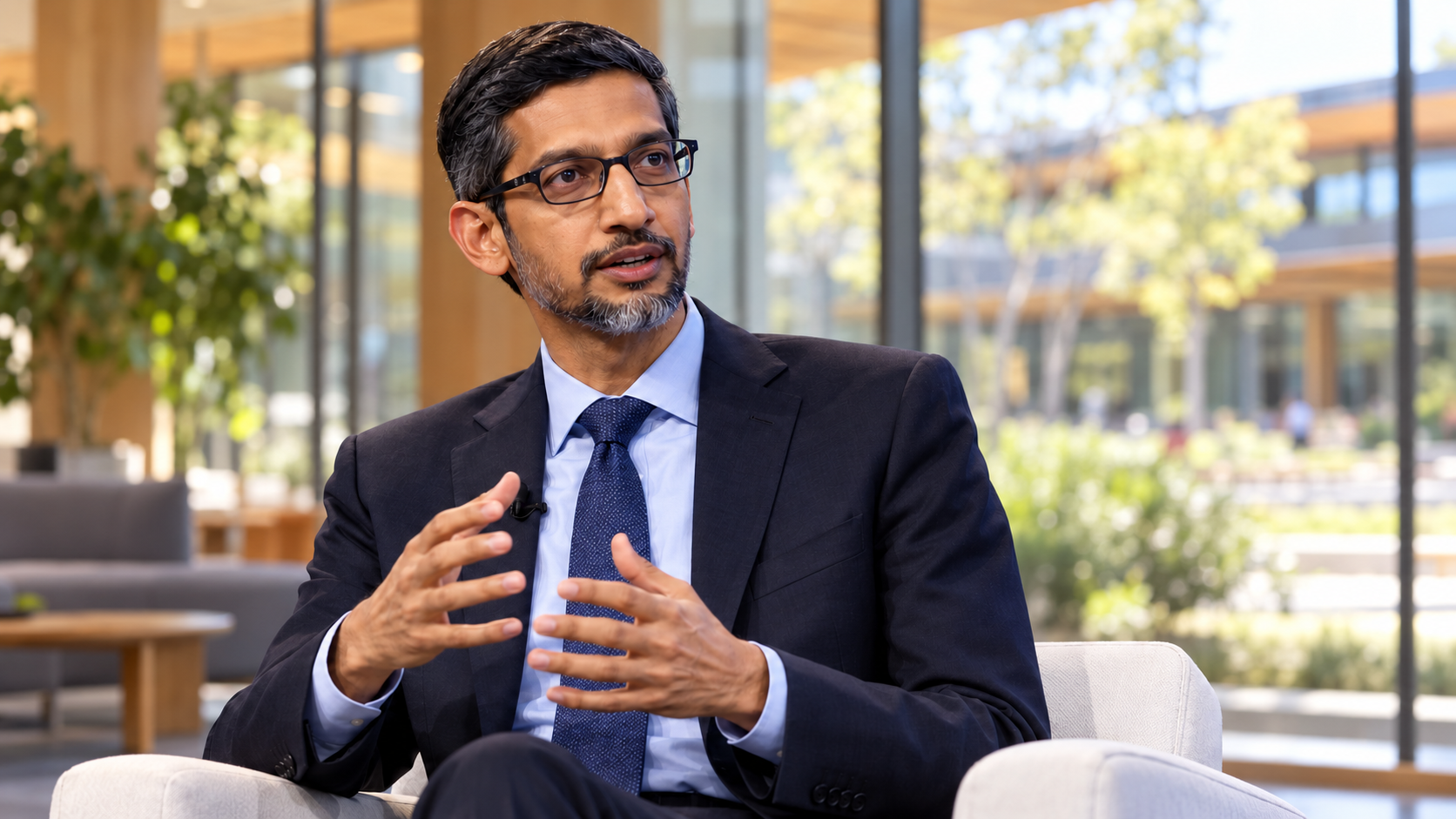
“AI is too important not to regulate, and too important not to regulate well.”
Sundar Pichai’s statement “AI is too important not to regulate, and too important not to regulate well” rejects two easy positions. One is that innovation should proceed without meaningful public rules because technology changes too quickly. The other is that broad restrictions can be written without understanding how different systems and uses create different risks. AI already affects information, work, health, education, security, and creative industries. Its reach makes oversight necessary. Its potential value makes the quality of that oversight equally important. Poorly designed rules can leave serious harms untouched while burdening beneficial research or smaller competitors.
Good regulation begins with consequences. A low-risk tool that recommends photo edits should not face the same requirements as a system that influences employment, medical care, credit, or critical infrastructure. Risk-based rules can demand stronger documentation, testing, human review, and appeal as stakes increase. They can also clarify responsibilities across the supply chain: model developers know some things about training and evaluation, while deployers know the population, workflow, and decision in which the system will operate. Both need duties proportionate to the control and information they possess.
Regulating well also requires technical capacity inside government. Agencies need skilled staff, access to evidence, measurement standards, and authority to investigate incidents. Static rules may age badly, so legislation can establish durable rights and responsibilities while expert institutions update tests and guidance. International cooperation matters because models, data, and services cross borders. Complete uniformity is unlikely, but shared approaches to safety evaluation, security, privacy, and incident reporting can reduce fragmentation and prevent companies from shopping for the weakest rules.
Pichai’s formulation should not be treated as proof that industry and public interests automatically align. Companies may support regulation while preferring rules that protect established market positions. Transparent policymaking, independent research, civil-society participation, and enforcement remain essential. The quote’s enduring value lies in the double obligation it names. Society must govern a consequential technology, and it must do that work competently. The goal is neither permission for every innovation nor fear of every model, but a framework that enables useful progress while protecting people whose rights and opportunities are affected. The quality of regulation will be judged over time: whether harms decrease, competition remains possible, public expertise grows, and rules adapt without losing their core protections. Treating regulation as infrastructure rather than a one-time obstacle gives useful innovation a more dependable social foundation for everyone it affects.
AI systems can influence rights, safety, information, and access to essential opportunities at enormous scale.
Voluntary practices alone cannot guarantee consistent protection or remedies across competing organizations.
Requirements should reflect the use, capability, population, and severity of possible failure.
Risk-based oversight can protect high-stakes settings without treating every research project or low-impact feature the same.
Regulators need expertise, measurement tools, incident access, and authority to update guidance as technology changes.
Independent research and public participation help prevent rules from serving only the largest companies they govern.
Explore more "Quotes of The Day"
Continue exploring how writers, thinkers, artists, and advocates have described the choices that shape an everyday life.