

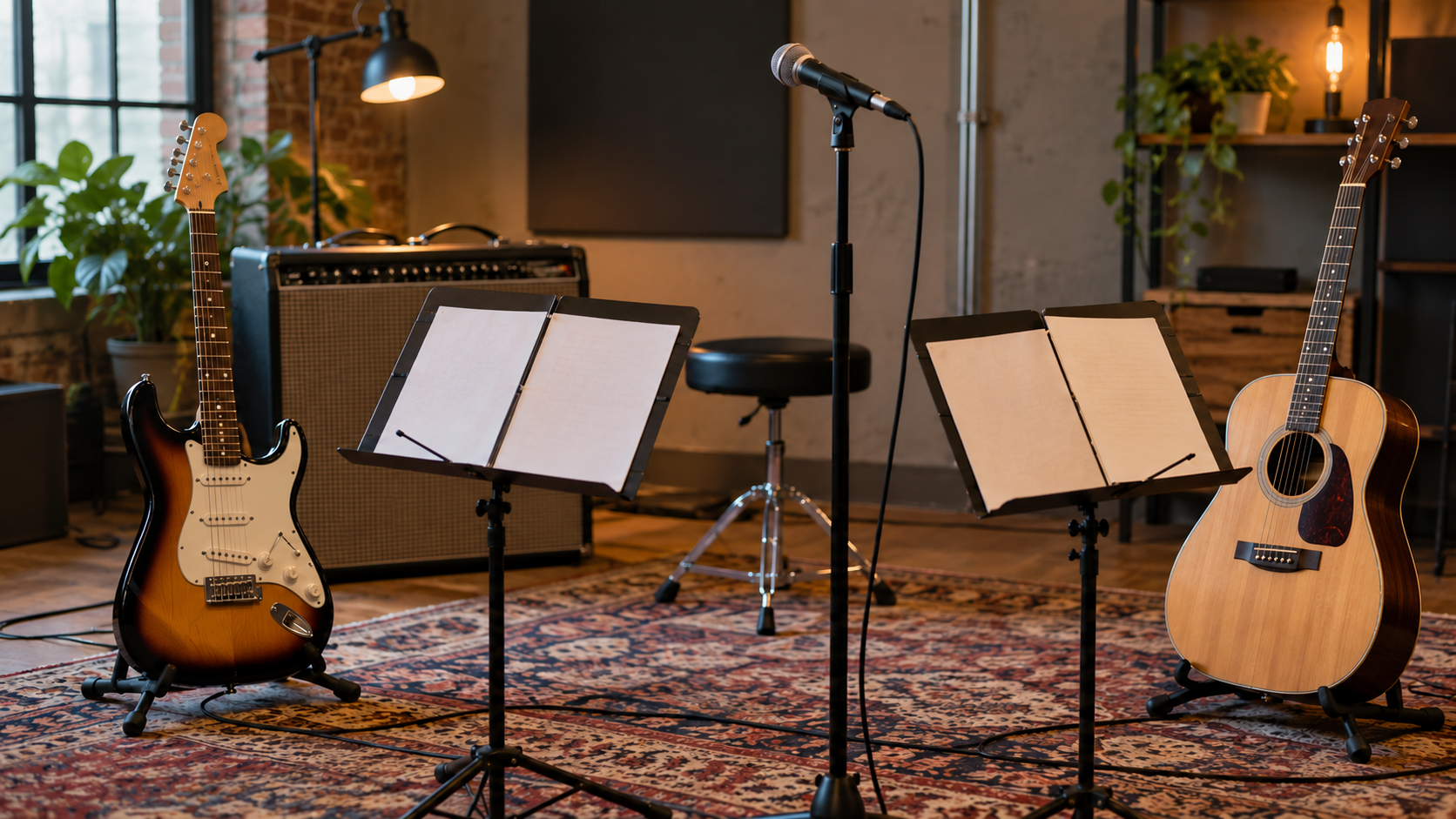
Cover Songs Explainer
A cover song is a new performance and recording of a musical composition that has already been released in another version. The new artist uses the underlying song but creates a different sound recording. That separation is essential: the composition includes music and lyrics, while the master is the captured performance owned under a separate copyright. Singing an existing song with new musicians is a cover; inserting audio from the earlier record is sampling. A cover can closely follow the familiar arrangement or radically change tempo, instrumentation, language, perspective, and genre, yet it remains connected to the same underlying composition.
In the United States, section 115 of the Copyright Act provides a compulsory mechanical license for eligible uses after a nondramatic musical work has been distributed to the public under the copyright owner's authority. When the statutory conditions are met, a copyright owner generally cannot refuse the new recording, but the licensee must follow notice, accounting, and royalty requirements. The license covers making and distributing phonorecords of the composition; it does not grant rights in the original master. Digital services may rely on the blanket system created by the Music Modernization Act, while physical releases and other situations can follow different procedures.
The compulsory license has limits. An arrangement may adapt the song to the style of the performance, but it cannot change the basic melody or fundamental character under the statutory terms. A translation, major lyrical rewrite, mashup, parody, or other derivative treatment may require direct permission rather than an ordinary cover license. Pairing the recording with film, television, advertising, a game, or another visual work generally requires synchronization permission for the composition, and using an existing master requires a separate master-use license. A license appropriate for audio distribution is therefore not a blanket approval for every later use.
Artists record covers for many reasons: tribute, interpretation, audience recognition, repertoire, or a deliberate conversation with musical history. A new arrangement can reveal a lyric differently by changing voice, harmony, rhythm, or cultural context. Credit should still identify the songwriters because the new performer does not become the author of the underlying composition merely by creating a distinctive recording. Royalties and ownership of the new master follow the relevant contracts. Public performance, mechanical reproduction, and synchronization are separate rights, so several organizations may appear in the money trail without duplicating the same legal permission. The word cover can be used casually for live performances, online videos, and studio releases, but each setting presents different licensing questions. Venues and platforms may have licenses for certain public performances, while an artist still needs the appropriate permissions for distributed audio or synchronized video. Public-domain songs are different because the underlying composition may no longer be protected, though a recent arrangement and recording can remain copyrighted. The practical approach is to identify the composition, the specific recording, the intended media, and any creative changes. That prevents a common mistake: assuming that permission to perform a song automatically includes permission to record, alter, film, distribute, and monetize it in every form. A practical way to read or discuss Cover Songs is to separate the basic definition from the choices made in a particular example. A cover is a newly performed sound recording of an existing composition; it does not copy the earlier master audio. Then identify who sets the relevant rules, which parts are creative decisions, and which parts follow from law, contracts, technology, or production limits. Examples that look similar on the surface can operate differently because their purpose, audience, timing, and surrounding agreements are different. The ordinary cover license allows style adaptation but not an unrestricted rewrite of the song's fundamental character. It is also useful to check whether a source is describing a formal industry category, an informal critical label, or one organization's current practice. Those distinctions prevent a memorable anecdote from becoming a false universal rule. Finally, compare the visible result with the less visible work that produced it. Public-domain composition status does not make every modern arrangement or sound recording free to copy. That approach keeps the explanation grounded while leaving room for reasonable disagreement about borderline cases.
A cover is a newly performed sound recording of an existing composition; it does not copy the earlier master audio.
Composition and sound recording are separate copyrighted works that can have different owners and licenses.
Section 115 can provide a compulsory mechanical license after authorized public distribution, subject to statutory conditions.
The ordinary cover license allows style adaptation but not an unrestricted rewrite of the song's fundamental character.
Synchronization with video and use of an existing master generally require permissions beyond audio-only cover distribution.
Public-domain composition status does not make every modern arrangement or sound recording free to copy.
Explore more "Explainers"
Discover additional explainers across politics, science, business, technology, and other fields. Each explainer breaks down a complex idea into clear, everyday language—helping you better understand how major concepts, systems, and debates shape the world around us.