

Anomaly Detection Explainer
Anomaly detection looks for data points, events, or patterns that differ from what a system considers normal. It is used in fraud monitoring, cybersecurity, industrial maintenance, medicine, quality control, and data cleaning, often when rare cases matter more than average behavior.
A supervised detector learns from labeled normal and anomalous examples. Unsupervised methods search for sparse or low-density observations without reliable anomaly labels. Novelty detection is trained on data assumed to be normal and asks whether a new observation fits that learned pattern.
Methods include statistical thresholds, distance and density models, isolation forests, one-class classifiers, reconstruction error, and sequence models. Most produce an anomaly score that must be converted into an alert with a threshold chosen for the application.
Unusual does not mean fraudulent, dangerous, or wrong. Seasonal events and legitimate new behavior can create alerts, while sophisticated attacks may resemble normal activity. Teams must measure false positives and missed cases, investigate context, update baselines, and avoid punitive decisions based only on a score.
Anomaly detection identifies observations that differ substantially from an expected pattern so they can be investigated, filtered, or handled differently.
Key terms include inlier, outlier, novelty, anomaly score, baseline, threshold, false positive, false negative and distribution.
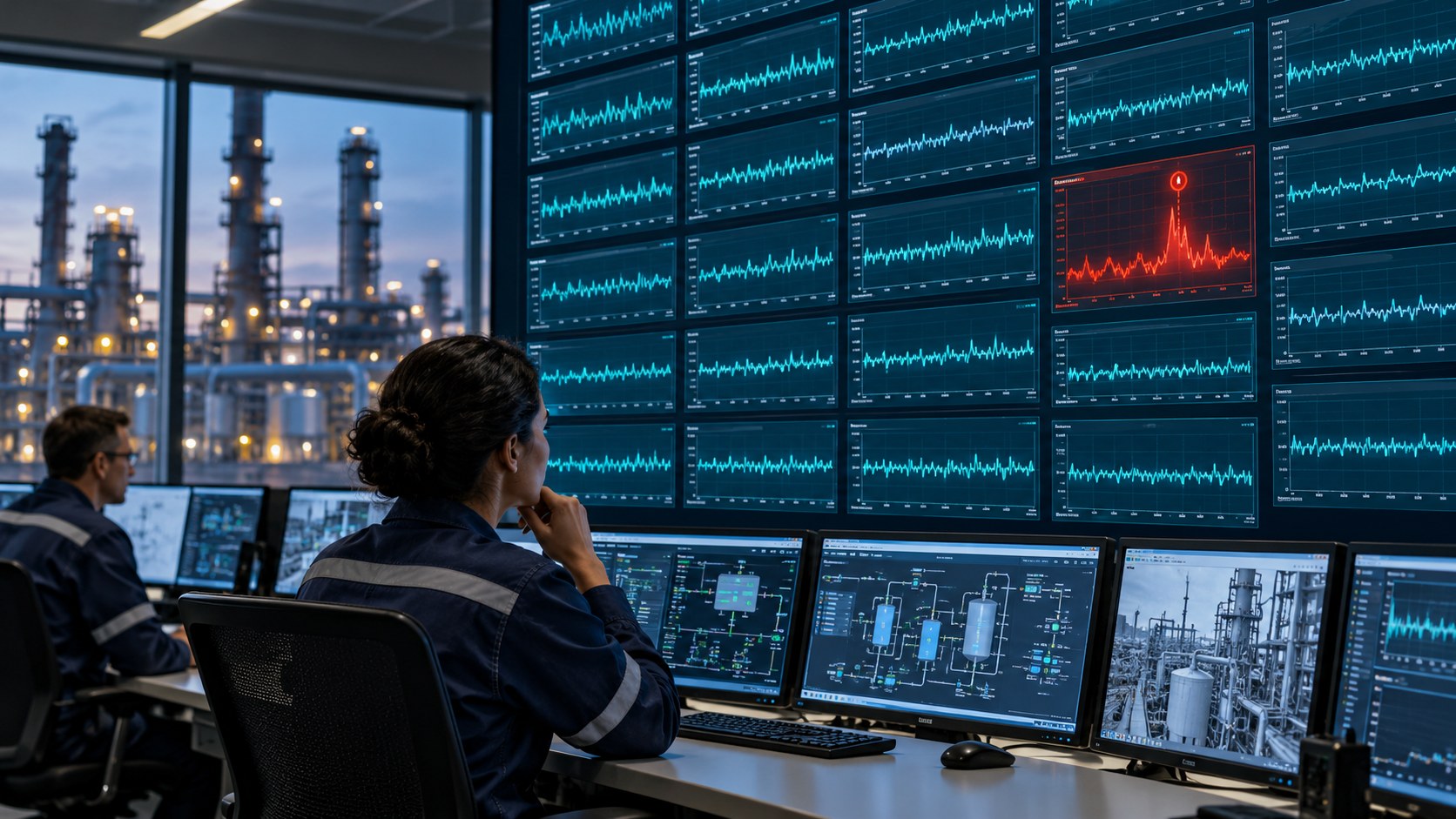
The model estimates a region, density, reconstruction pattern, or boundary for expected data. Observations far from that pattern receive higher anomaly scores.
Thresholds reflect operational costs: a lower threshold catches more unusual events but can overwhelm reviewers with false alarms.
Anomaly scores require context and investigation. Rare but legitimate users, equipment states, or medical profiles can otherwise be treated as errors.
Production systems monitor baseline changes, record reviewer outcomes, test subgroup effects, and maintain an escalation path proportional to the possible harm.
Explore more "Explainers"
Discover additional explainers across politics, science, business, technology, and other fields. Each explainer breaks down a complex idea into clear, everyday language—helping you better understand how major concepts, systems, and debates shape the world around us.