

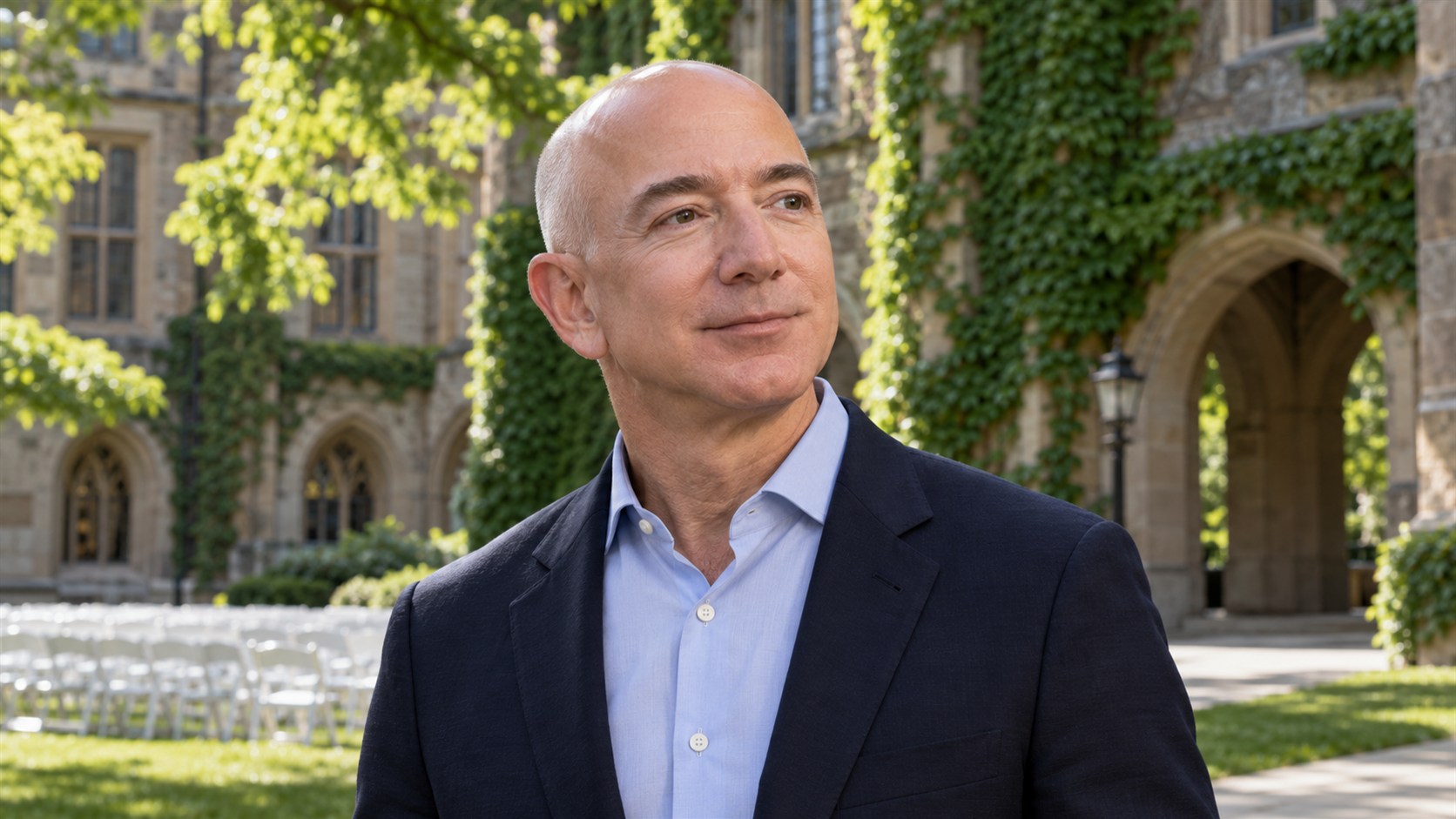
“Cleverness is a gift, kindness is a choice.”
Jeff Bezos delivered “Cleverness is a gift, kindness is a choice.” in Princeton Baccalaureate Remarks (2010). The source recalls a childhood calculation that hurt his grandmother and the gentle correction his grandfather offered afterward. The family story gives the distinction moral weight because the young speaker was factually impressive and relationally careless at the same moment. The record keeps Jeff Bezos beside this reasoning, rather than detaching “Cleverness is a gift, kindness is a choice.” from Princeton Baccalaureate Remarks. August 2 marks this slot for Jeff Bezos; 2010 dates the documented address. That separation preserves a traceable source for the quotation.
Ability may arrive through temperament, education, or luck, but character appears in how a person elects to use those advantages. For Jeff Bezos, “Cleverness is a gift, kindness is a choice.” serves as a lens. Using Princeton Baccalaureate Remarks responsibly requires considering that kindness is not passive agreeableness, and it should not excuse dishonesty, exploitation, or avoidance of necessary conflict. Readers can test the idea with one small action: Before delivering one correct answer, consider its likely emotional impact and revise the manner without weakening the truth. The original setting still matters because the source recalls a childhood calculation that hurt his grandmother and the gentle correction his grandfather offered afterward. Together, those details move “Cleverness is a gift, kindness is a choice.” from decoration into judgment while leaving room for evidence that Jeff Bezos did not address directly.
Kindness is not passive agreeableness, and it should not excuse dishonesty, exploitation, or avoidance of necessary conflict. That limit shapes Jeff Bezos’s meaning because institutions routinely measure speed and intelligence more visibly than the human effects of decisions made with those talents. Around the quotation, health, power, culture, safety, and responsibility alter practical meaning. Jeff Bezos can illuminate one choice without deciding every case. The stronger question asks where “Cleverness is a gift, kindness is a choice.” clarifies duty, where institutions routinely measure speed and intelligence more visibly than the human effects of decisions made with those talents, and whose experience will bear the result.
Institutions routinely measure speed and intelligence more visibly than the human effects of decisions made with those talents. For August 2, one observable response is this: Before delivering one correct answer, consider its likely emotional impact and revise the manner without weakening the truth. This gives Jeff Bezos a practical scale for review. Ask whether “Cleverness is a gift, kindness is a choice.” increased clarity, dignity, connection, access, or agency. If the outcome disappoints, revise the method. The family story gives the distinction moral weight because the young speaker was factually impressive and relationally careless at the same moment. August 2 keeps Jeff Bezos’s words active through specific action, honest revision, and attention to consequence.
Jeff Bezos used the line in Princeton Baccalaureate Remarks, associated with 2010. The source recalls a childhood calculation that hurt his grandmother and the gentle correction his grandfather offered afterward.
The family story gives the distinction moral weight because the young speaker was factually impressive and relationally careless at the same moment. August 2 is only this series placement; it is not presented as the date when the words were first delivered.
Ability may arrive through temperament, education, or luck, but character appears in how a person elects to use those advantages.
Kindness is not passive agreeableness, and it should not excuse dishonesty, exploitation, or avoidance of necessary conflict.
Institutions routinely measure speed and intelligence more visibly than the human effects of decisions made with those talents.
A measured way to act on the idea is this: Before delivering one correct answer, consider its likely emotional impact and revise the manner without weakening the truth.
Explore more "Quotes of The Day"
Continue exploring how writers, thinkers, artists, and advocates have described the choices that shape an everyday life.