

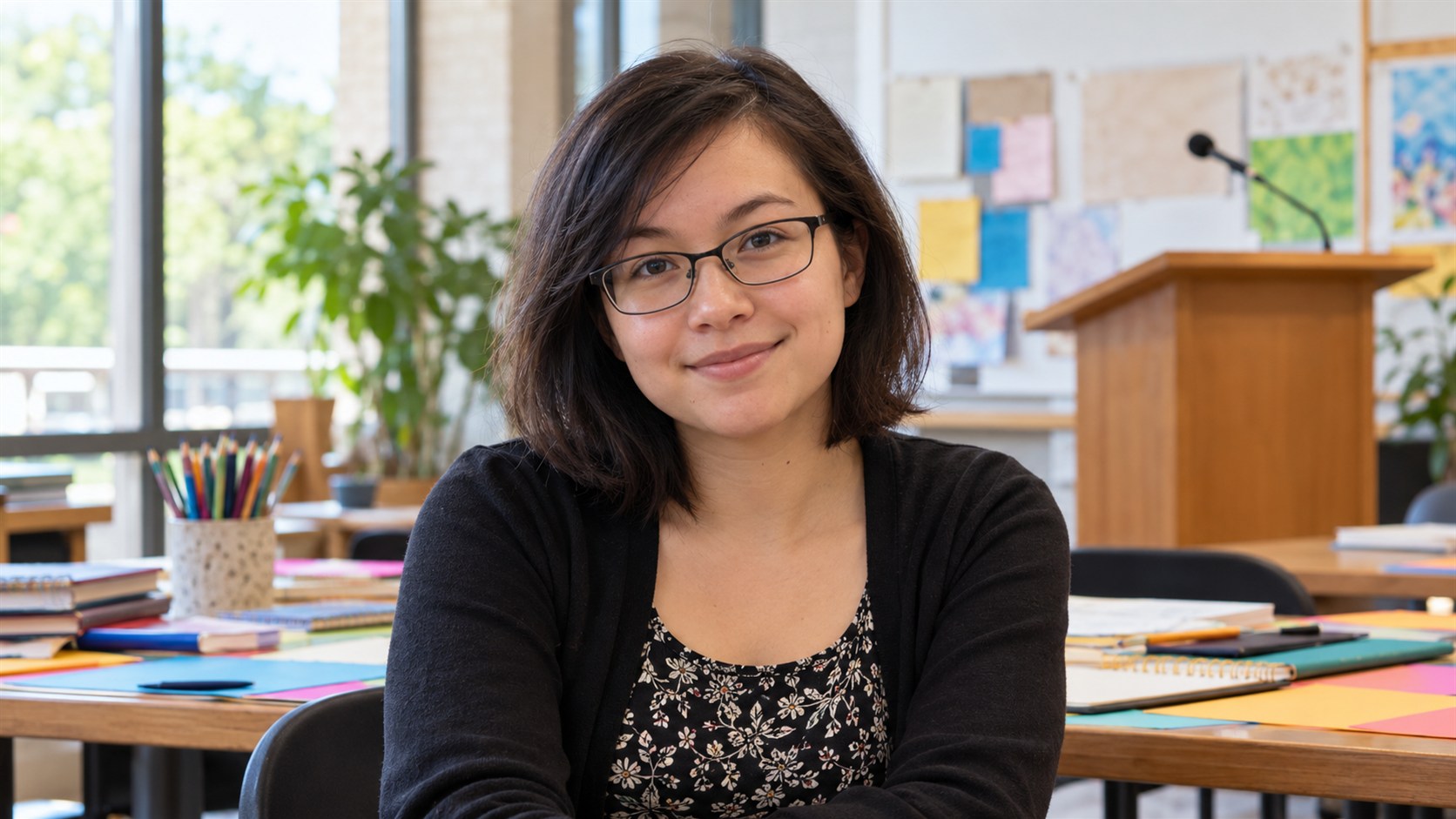
“Kids’ big dreams deserve high expectations.”
Adora Svitak delivered “Kids’ big dreams deserve high expectations.” in What Adults Can Learn from Kids (2010). The source argues that adults should value children’s imagination and create reciprocal learning instead of assuming wisdom travels in only one direction. Svitak’s challenge is not that children are always right; it is that adult certainty can discard useful imagination before evidence is even considered. The record keeps Adora Svitak beside this reasoning, rather than detaching “Kids’ big dreams deserve high expectations.” from What Adults Can Learn from Kids. August 27 marks this slot for Adora Svitak; 2010 dates the documented address. That separation preserves a traceable source for the quotation.
Respecting young people means combining room for bold ideas with the resources, safety, and serious response that let those ideas develop. For Adora Svitak, “Kids’ big dreams deserve high expectations.” serves as a lens. Using What Adults Can Learn from Kids responsibly requires considering that children should not carry adult burdens or be displayed as prodigies; participation must remain age-appropriate and supported. Readers can test the idea with one small action: Ask a child one genuine design question, listen without correcting the first answer, and report how the idea affected the decision. The original setting still matters because the source argues that adults should value children’s imagination and create reciprocal learning instead of assuming wisdom travels in only one direction. Together, those details move “Kids’ big dreams deserve high expectations.” from decoration into judgment while leaving room for evidence that Adora Svitak did not address directly.
Children should not carry adult burdens or be displayed as prodigies; participation must remain age-appropriate and supported. That limit shapes Adora Svitak’s meaning because young people will live longest with present decisions yet are frequently invited to perform engagement after plans are already fixed. Around the quotation, health, power, culture, safety, and responsibility alter practical meaning. Adora Svitak can illuminate one choice without deciding every case. The stronger question asks where “Kids’ big dreams deserve high expectations.” clarifies duty, where young people will live longest with present decisions yet are frequently invited to perform engagement after plans are already fixed, and whose experience will bear the result.
Young people will live longest with present decisions yet are frequently invited to perform engagement after plans are already fixed. For August 27, one observable response is this: Ask a child one genuine design question, listen without correcting the first answer, and report how the idea affected the decision. This gives Adora Svitak a practical scale for review. Ask whether “Kids’ big dreams deserve high expectations.” increased clarity, dignity, connection, access, or agency. If the outcome disappoints, revise the method. Svitak’s challenge is not that children are always right; it is that adult certainty can discard useful imagination before evidence is even considered. August 27 keeps Adora Svitak’s words active through specific action, honest revision, and attention to consequence.
Adora Svitak used the line in What Adults Can Learn from Kids, associated with 2010. The source argues that adults should value children’s imagination and create reciprocal learning instead of assuming wisdom travels in only one direction.
Svitak’s challenge is not that children are always right; it is that adult certainty can discard useful imagination before evidence is even considered. August 27 is only this series placement; it is not presented as the date when the words were first delivered.
Respecting young people means combining room for bold ideas with the resources, safety, and serious response that let those ideas develop.
Children should not carry adult burdens or be displayed as prodigies; participation must remain age-appropriate and supported.
Young people will live longest with present decisions yet are frequently invited to perform engagement after plans are already fixed.
A measured way to act on the idea is this: Ask a child one genuine design question, listen without correcting the first answer, and report how the idea affected the decision.
Explore more "Quotes of The Day"
Continue exploring how writers, thinkers, artists, and advocates have described the choices that shape an everyday life.