

February 29, 2024: Figure and OpenAI Partner
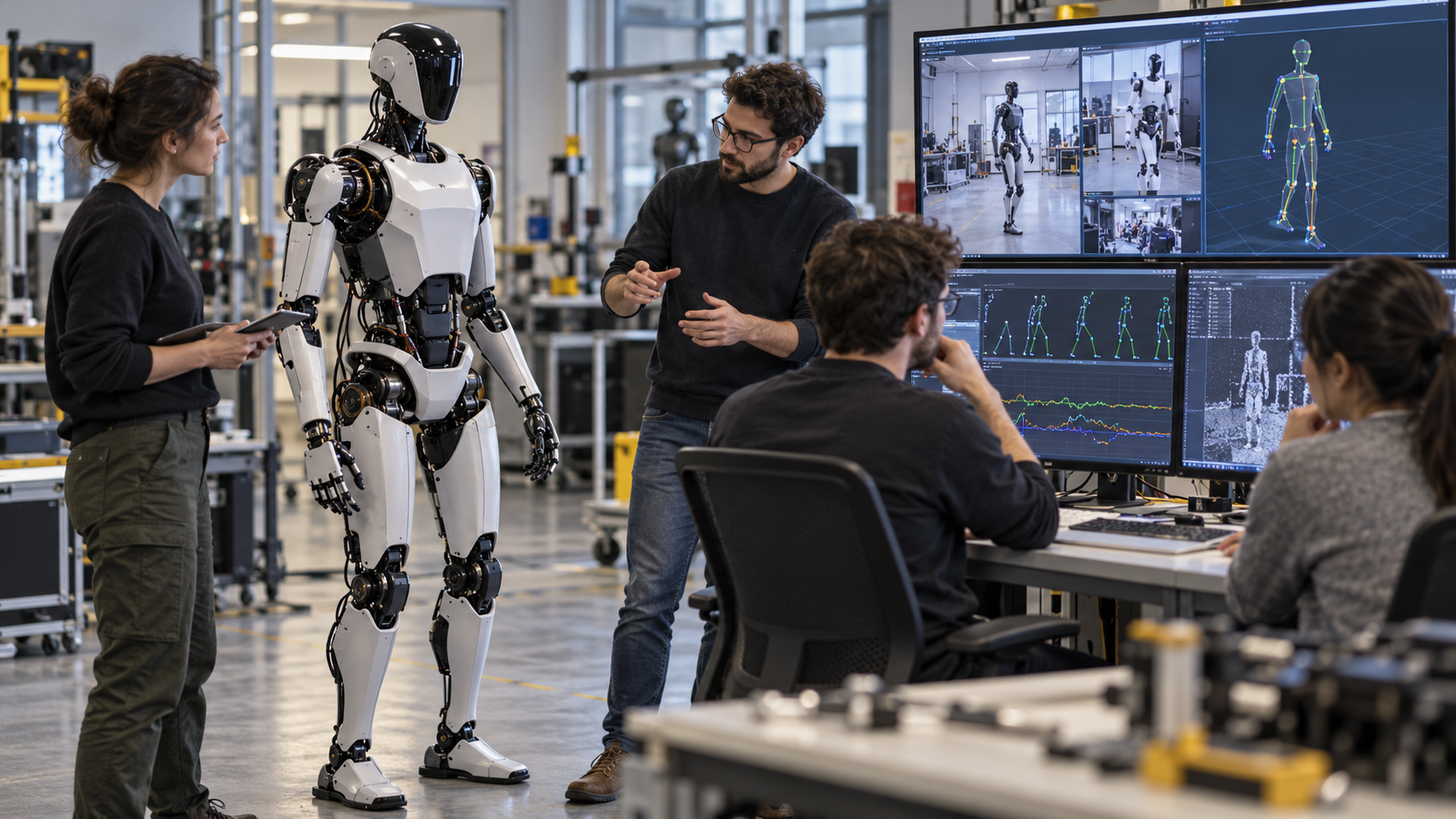
On February 29, 2024, Humanoid-robotics startup Figure announced $675 million in new funding and a collaboration agreement with OpenAI. The companies planned to combine Figure’s embodied hardware and robotics software with OpenAI’s research to improve how general-purpose humanoid robots process language and interact with the physical world. Generative AI had made rapid progress in understanding text, images, and speech, while useful general-purpose robots still faced difficult problems in perception, dexterity, planning, safety, and reliable operation. Investors saw an opportunity to connect stronger foundation models with machines designed for human environments. The announcement mattered because it converted a fast-moving technical development into something that users, institutions, or researchers could evaluate in practice. It also supplied a clear date on which expectations about artificial intelligence changed.
The substance of Figure’s funding round and collaboration with OpenAI was as important as the headline. The financing valued Figure at $2.6 billion and included support from Microsoft, OpenAI Startup Fund, Nvidia, Jeff Bezos, and other investors. Figure said the capital would accelerate commercial deployment, and the OpenAI collaboration would explore models that help robots reason from visual and conversational input. That practical design reveals what the people behind the project believed was necessary at the time. AI milestones are rarely a single breakthrough in isolation; they combine research choices, product decisions, infrastructure, testing, and a strategy for reaching the people expected to use the system.
The immediate consequences extended beyond the organization making the announcement. The announcement brought exceptional attention and resources to humanoid robotics. It suggested that progress in embodied AI might come from integrating general models with purpose-built hardware and large streams of real-world training data, rather than treating robotics as a separate field. The moment also invited scrutiny. New capabilities create new dependencies, and their usefulness has to be weighed against reliability, safety, cost, access, and the interests of people whose work or information may be affected. That tension is part of why the event remains worth revisiting.
In retrospect, The leap-day partnership became a symbol of the renewed race to build versatile humanoid machines. Its long-term importance lies in the proposed bridge between digital intelligence and physical action, a frontier where impressive demonstrations must still become safe, dependable, and economically useful work. Looking back from today’s rapidly changing AI landscape, the event is best understood as one step in a larger transition from specialized machine-learning demonstrations to systems embedded in ordinary products, institutions, and creative work. Its enduring lesson is that technical progress becomes historically significant when it changes what people can do, what organizations must govern, and what society expects next.
Humanoid-robotics startup Figure announced $675 million in new funding and a collaboration agreement with OpenAI. The companies planned to combine Figure's embodied hardware and robotics software with OpenAI's research to improve how general-purpose humanoid robots process language and interact with the physical world.
The financing valued Figure at $2.6 billion and included support from Microsoft, OpenAI Startup Fund, Nvidia, Jeff Bezos, and other investors. Figure said the capital would accelerate commercial deployment, and the OpenAI collaboration would explore models that help robots reason from visual and conversational input.
The announcement brought exceptional attention and resources to humanoid robotics. It suggested that progress in embodied AI might come from integrating general models with purpose-built hardware and large streams of real-world training data, rather than treating robotics as a separate field.
The event connected a concrete release or policy decision with the wider development of artificial intelligence.
The leap-day partnership became a symbol of the renewed race to build versatile humanoid machines. Its long-term importance lies in the proposed bridge between digital intelligence and physical action, a frontier where impressive demonstrations must still become safe, dependable, and economically useful work.
Its influence can be traced through later products, research, rules, or industry practice.
Explore more of "On This Day ..."
Discover more events from the same date across news, politics, technology, sports, and other fields. Each link highlights significant moments that shaped history on different fronts.