

On This Day in Pop: February 13, 1972
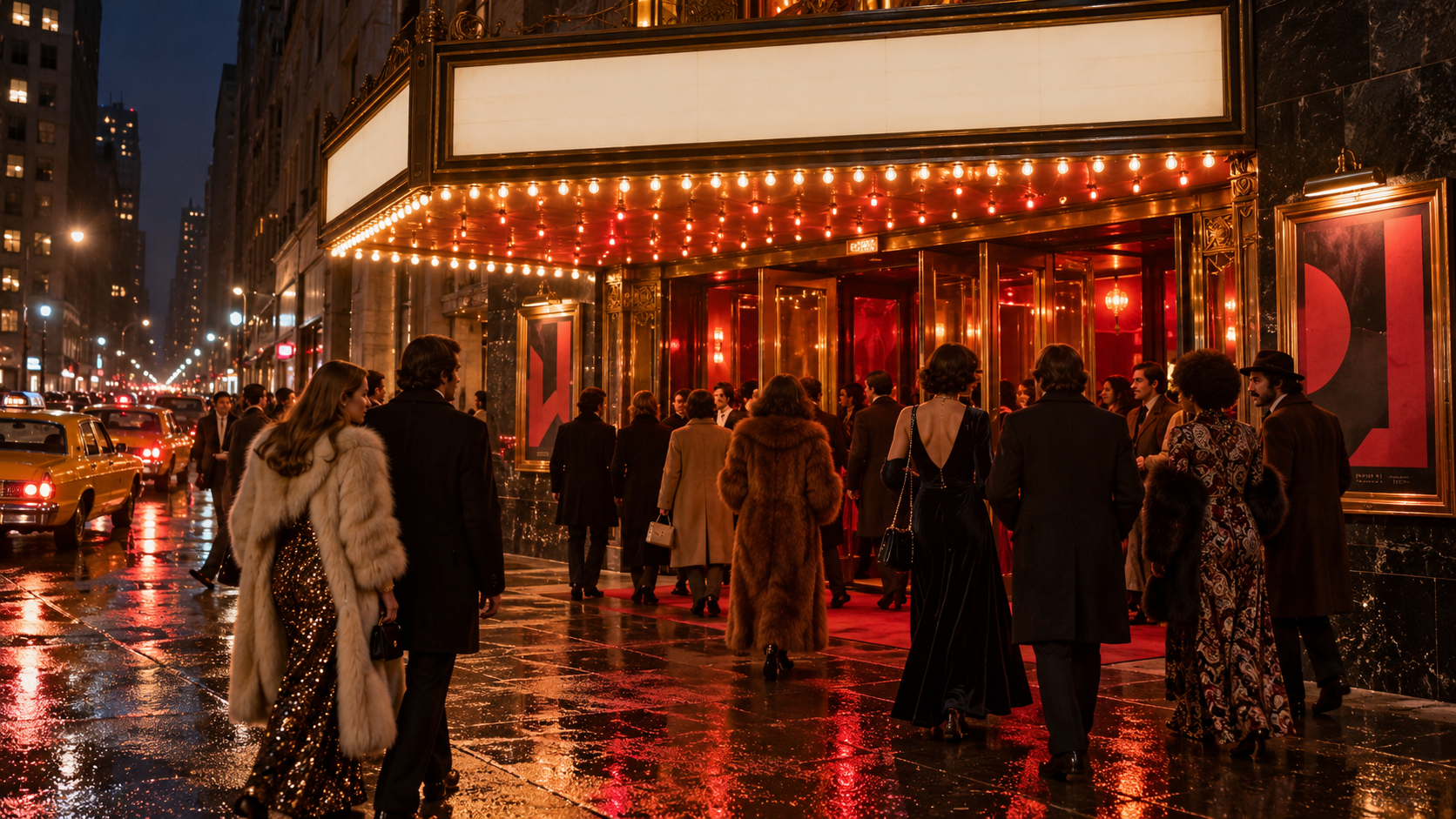
On February 13, 1972, Cabaret opened in New York. Directed and choreographed by Bob Fosse, the film follows American performer Sally Bowles, played by Liza Minnelli, and British writer Brian Roberts, played by Michael York, in Berlin as the Weimar era gives way to Nazi power. Joel Grey’s Master of Ceremonies presides over the Kit Kat Klub, where songs reflect, distort and sometimes mock what is happening outside its doors. Viewed in its own time, the occasion was more than a neat calendar marker. It sat where entertainment, technology, publicity and public appetite met, and each of those forces helped determine who encountered it and what they made of it. Remembering the setting keeps the story grounded in decisions made by artists, producers, distributors and audiences rather than turning a complicated cultural shift into a single flash of inevitability.
The screen adaptation made decisive changes from the stage musical. Most conventional songs outside the club were removed, concentrating music in performances that the characters could plausibly watch. That choice allows Fosse’s camera and editing to link spectacle with street violence, private desire and political denial. Minnelli’s forceful singing and vulnerable acting coexist, while Grey’s precise gestures make the emcee inviting and unsettling. The production design presents decadence not as a single mood but as a fragile environment already being invaded by authoritarian symbols. The response also shows how popular culture accumulates momentum. A performance, release or institutional choice can feel self-contained on the day it happens, yet its meaning expands through reviews, broadcasts, sales, conversation and imitation. Those channels do not affect every person in the same way, but together they can turn a dated event into a shared reference point, one that later work either follows, revises or pushes against.
Cabaret became a major critical and awards success, earning eight Academy Awards, including directing honors for Fosse and acting awards for Minnelli and Grey, though it did not win Best Picture. Its influence can be seen in screen musicals that use performance as commentary rather than escape. The film also demands an uneasy question from viewers: when danger becomes visible at the edge of entertainment, what does it mean to keep watching? That tension has kept the movie urgent, especially when new audiences recognize how quickly social tolerance can narrow under organized hatred. That longer view is why the date remains useful. It provides a precise doorway into changes that unfolded unevenly and involved many contributors, including people whose labor was less visible than the headline names. The surviving recordings, films, photographs and documents let new audiences reconsider both the achievement and its limits. Pop history is strongest when celebration is paired with context, and this anniversary offers room for both.
Cabaret opened in New York on February 13, 1972, bringing Bob Fosse’s screen version of the musical to audiences.
The setting and sequence matter because they show how the New York opening of Cabaret reached the public on this particular date.
The film placed most songs inside the Kit Kat Klub, letting entertainment comment sharply on political violence gathering beyond the stage.
The first response came through the era’s available channels, from press and broadcast coverage to ticket buyers, listeners or viewers.
Its performances, editing and musical staging influenced later screen musicals while keeping questions about spectatorship and complicity alive.
Its reputation has continued to develop through preservation, scholarship, revival and the interpretations of later audiences.
Explore more of "On This Day ..."
Discover more events from the same date across news, politics, technology, sports, and other fields. Each link highlights significant moments that shaped history on different fronts.