

On This Day in Pop: February 20, 1943
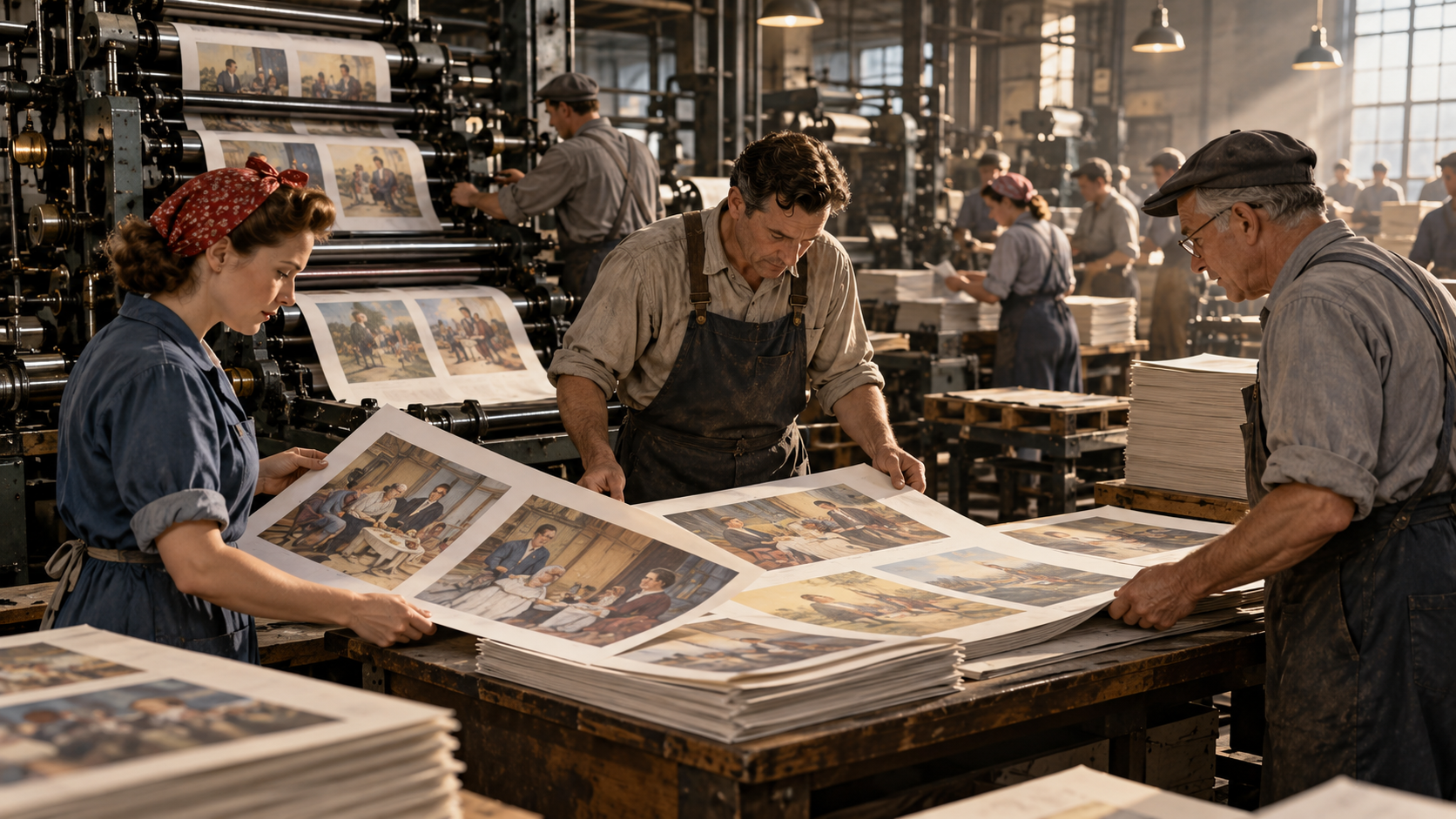
On February 20, 1943, The Saturday Evening Post began publishing Norman Rockwell’s Four Freedoms series, one painting in each of four consecutive issues. The project responded to President Franklin D. Roosevelt’s 1941 description of freedom of speech, freedom of worship, freedom from want and freedom from fear. Rockwell struggled with abstract symbols until he imagined the freedoms through scenes of ordinary people, using neighbors in Arlington, Vermont, as models and grounding international ideals in familiar rooms and gestures. Viewed in its own time, the occasion was more than a neat calendar marker. It sat where entertainment, technology, publicity and public appetite met, and each of those forces helped determine who encountered it and what they made of it. Remembering the setting keeps the story grounded in decisions made by artists, producers, distributors and audiences rather than turning a complicated cultural shift into a single flash of inevitability.
The paintings reached a vast magazine audience, accompanied by essays from contemporary writers. The federal government later used them in a traveling campaign that helped sell war bonds, while reproductions appeared on posters and stamps. Their accessibility was their strength: viewers could connect lofty principles to a town meeting, varied worship, a family meal and parents protecting children. Yet the same domestic familiarity narrowed the visible nation, leaving many Americans’ experiences of racism, poverty and exclusion outside the frame. The response also shows how popular culture accumulates momentum. A performance, release or institutional choice can feel self-contained on the day it happens, yet its meaning expands through reviews, broadcasts, sales, conversation and imitation. Those channels do not affect every person in the same way, but together they can turn a dated event into a shared reference point, one that later work either follows, revises or pushes against.
That gap has made the series a continuing subject for reinterpretation. Later artists have recast the compositions with more diverse subjects or used them to question whether the promised freedoms were equally protected. Rockwell himself would later address civil rights more directly. The 1943 publication therefore marks both an extraordinary success in mass communication and an invitation to examine who appears inside national imagery. The pictures endure because they make ideals emotionally legible, while their limits remind viewers that representing freedom is not the same as fully delivering it. That longer view is why the date remains useful. It provides a precise doorway into changes that unfolded unevenly and involved many contributors, including people whose labor was less visible than the headline names. The surviving recordings, films, photographs and documents let new audiences reconsider both the achievement and its limits. Pop history is strongest when celebration is paired with context, and this anniversary offers room for both.
The Saturday Evening Post began publishing Norman Rockwell’s Four Freedoms paintings on February 20, 1943.
The setting and sequence matter because they show how the publication of Norman Rockwell’s Four Freedoms series reached the public on this particular date.
Rockwell translated Franklin D. Roosevelt’s wartime ideals into scenes of ordinary American life that could circulate widely in magazines and posters.
The first response came through the era’s available channels, from press and broadcast coverage to ticket buyers, listeners or viewers.
The images supported war-bond campaigns and remain powerful, debated examples of how illustration can define national values.
Its reputation has continued to develop through preservation, scholarship, revival and the interpretations of later audiences.
Explore more of "On This Day ..."
Discover more events from the same date across news, politics, technology, sports, and other fields. Each link highlights significant moments that shaped history on different fronts.