

On This Day in Pop: February 24, 1969
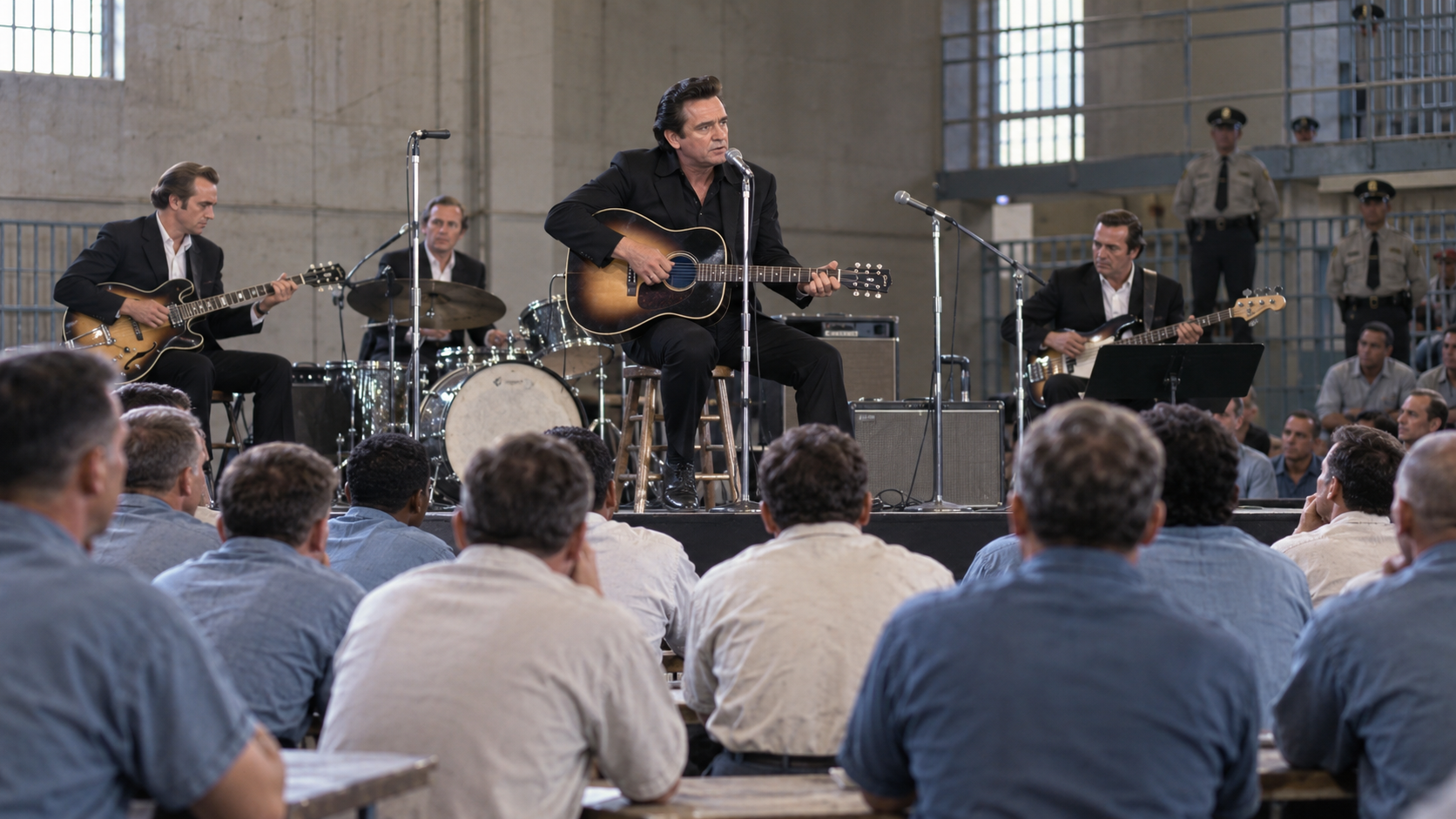
On February 24, 1969, Johnny Cash brought his road show into San Quentin State Prison in California for a concert recorded before inmates. Cash had performed in prisons for years and had released a successful live album from Folsom in 1968. At San Quentin, the stakes were different but equally immediate: guards, prisoners, musicians, recording equipment and a film crew occupied the same charged space. Cash’s black clothing, plain introductions and direct address made the concert feel less like distant charity than a meeting with a specific audience. Viewed in its own time, the occasion was more than a neat calendar marker. It sat where entertainment, technology, publicity and public appetite met, and each of those forces helped determine who encountered it and what they made of it. Remembering the setting keeps the story grounded in decisions made by artists, producers, distributors and audiences rather than turning a complicated cultural shift into a single flash of inevitability.
The set produced an unexpected centerpiece when Cash performed Shel Silverstein’s “A Boy Named Sue,” reportedly working from the lyrics because the song was new to him. Laughter and vocal reactions from the prisoners became part of the recording’s rhythm, and the live version grew into one of Cash’s biggest singles. He also sang “San Quentin,” repeating the new song when the room demanded it. The exchange captured humor, anger and identification that a studio recreation could not have manufactured. The response also shows how popular culture accumulates momentum. A performance, release or institutional choice can feel self-contained on the day it happens, yet its meaning expands through reviews, broadcasts, sales, conversation and imitation. Those channels do not affect every person in the same way, but together they can turn a dated event into a shared reference point, one that later work either follows, revises or pushes against.
Johnny Cash at San Quentin became a major album, and the associated television footage extended its reach. Cash was not himself a long-term prisoner, and his concerts did not solve the conditions faced by incarcerated people; his public image sometimes compressed a more complicated biography. Still, he repeatedly used access and celebrity to bring prison audiences into American popular culture as listeners with judgment and agency. The recording endures because the room answers back. Applause, laughter and tension make the audience audible as participants rather than a silent backdrop. That longer view is why the date remains useful. It provides a precise doorway into changes that unfolded unevenly and involved many contributors, including people whose labor was less visible than the headline names. The surviving recordings, films, photographs and documents let new audiences reconsider both the achievement and its limits. Pop history is strongest when celebration is paired with context, and this anniversary offers room for both.
Johnny Cash performed and recorded at California’s San Quentin State Prison on February 24, 1969.
The setting and sequence matter because they show how Johnny Cash’s live recording at San Quentin reached the public on this particular date.
The set included the first public performance of Shel Silverstein’s “A Boy Named Sue,” whose audience response helped make it a major hit.
The first response came through the era’s available channels, from press and broadcast coverage to ticket buyers, listeners or viewers.
The resulting album and film deepened Cash’s association with prisoners and confirmed the power of live recordings to preserve tension between performer and room.
Its reputation has continued to develop through preservation, scholarship, revival and the interpretations of later audiences.
Explore more of "On This Day ..."
Discover more events from the same date across news, politics, technology, sports, and other fields. Each link highlights significant moments that shaped history on different fronts.