

How Cricket Leg Byes Work Explainer
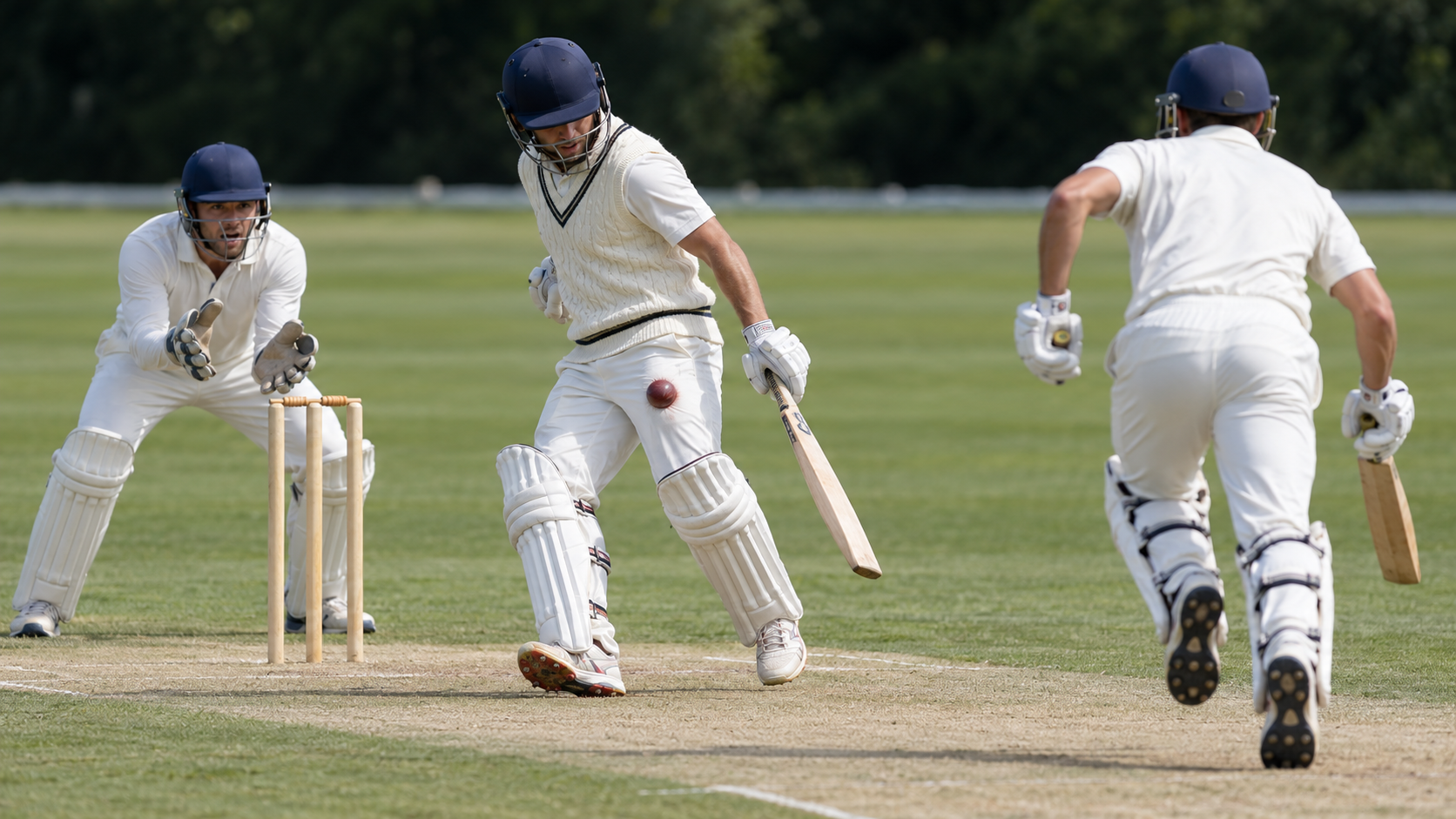
Leg byes are runs scored after a legal delivery touches the striker's body but not the bat, provided the striker either attempted to play the ball with the bat or tried to avoid being hit. The runs are extras credited to the team rather than the batter.
The batters may run, and a boundary reached from the deflection can add four leg byes. If a no-ball was called, the scoring combines the no-ball penalty with the applicable runs under the Laws. The delivery remains live unless another event ends play.
If the striker made no shot and no genuine effort to avoid the ball, leg-bye runs are not awarded. The umpire can disallow the runs and return the batters, subject to dismissals such as run out that may still occur while the ball was live.
The umpire signals leg byes by touching a raised knee. Scorecards list them separately from byes, which occur when the ball misses both bat and body. Watch the point of contact and the striker's movement before reading the signal.
No. They are team extras, not runs added to the batter's individual score.
The batter must attempt a stroke or make a genuine effort to avoid being hit.
The umpire touches a raised knee.
Explore more "Explainers"
Discover additional explainers across politics, science, business, technology, and other fields. Each explainer breaks down a complex idea into clear, everyday language—helping you better understand how major concepts, systems, and debates shape the world around us.