

“Value sensitive design accounts for human values in a principled and comprehensive manner throughout the design process.”
Batya Friedman and colleagues developed value sensitive design as a way to integrate human values into technology work from the beginning. The framework combines conceptual investigation of values and stakeholders, empirical study of people and contexts, and technical analysis of design options. It rejects the idea that ethics can be added after a product is finished through a policy statement or one final review. The line has lasted because it captures a research turning point without pretending that one paper settled every scientific or social question around it.
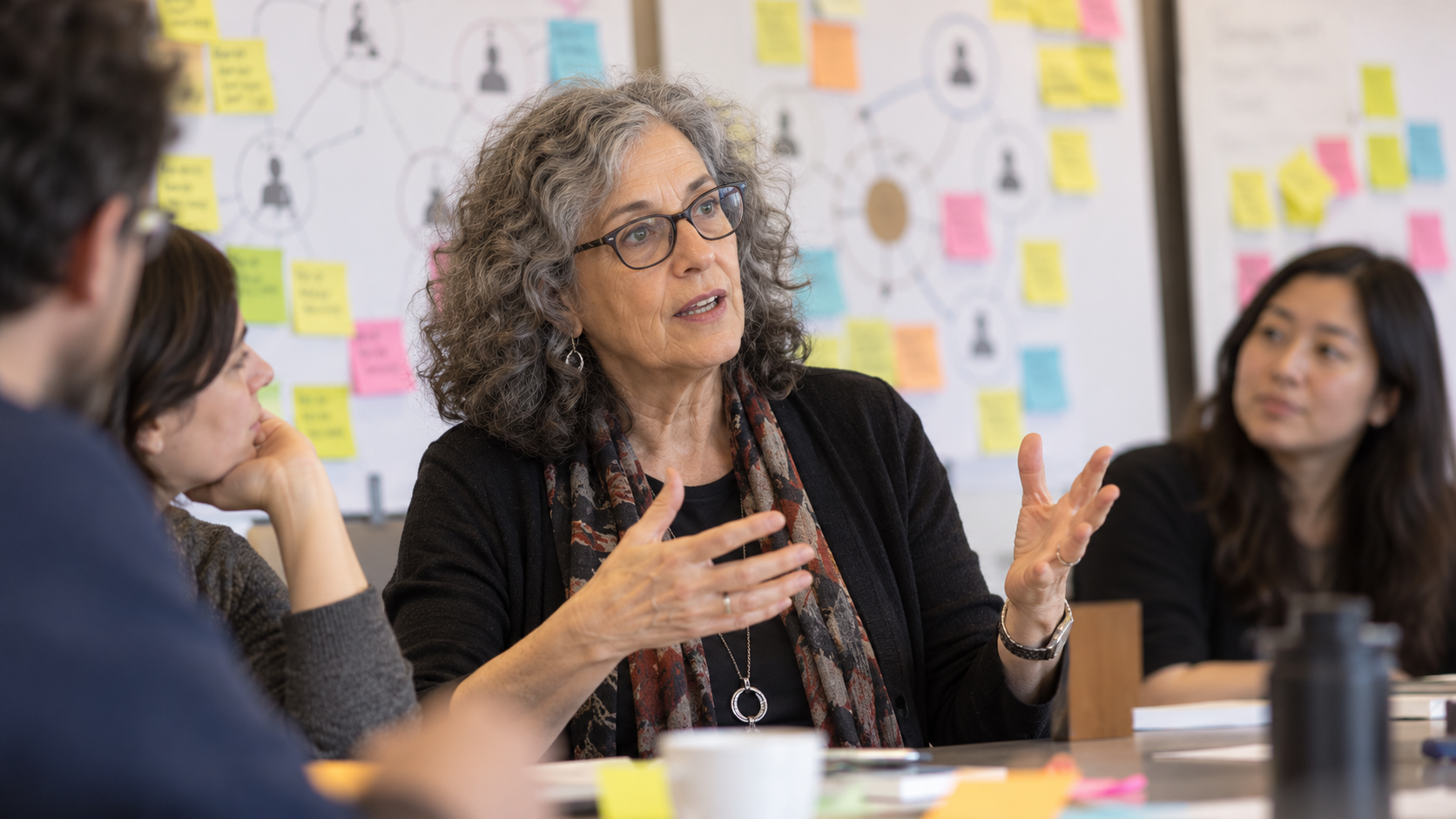
Values such as privacy, autonomy, trust, welfare, and fairness can conflict, and different stakeholders may experience them differently. Value sensitive design maps direct and indirect stakeholders, identifies tensions, and examines how technical features support or undermine what matters. The process is iterative: findings about users can change concepts, while new technical possibilities can change which tradeoffs are available. The sentence also shows why definitions matter. When researchers specify what they are measuring, disagreement can become an experiment instead of a contest between impressions.
AI projects can use this approach before selecting data or objectives. A hiring system, for example, affects applicants, recruiters, managers, workers, and people screened out before contact. Workshops, interviews, prototypes, and scenario analysis can reveal values hidden by a narrow efficiency goal. The resulting design may include limits on automation, stronger privacy, explanations, appeals, or a decision not to automate a sensitive step. For present-day teams, the lesson is to translate broad enthusiasm into observable outcomes. A strong deployment plan names users, failure modes, review points, and the evidence that would justify changing course.
Values cannot be reduced to generic checkboxes. Terms such as fairness or autonomy need interpretation in a particular domain, and powerful stakeholders can dominate the process. Teams should seek missing voices, compensate participants, document disagreements, and revisit decisions as deployment changes behavior. Value-sensitive work is credible when it alters requirements and resource choices, not when it merely produces reassuring language. The most durable response is neither reflexive celebration nor blanket rejection. It is disciplined adoption: verify the benefit, disclose the limitation, and preserve a workable human alternative. Friedman’s framework treats ethics as design work. Values become concrete through repeated choices about features, data, defaults, boundaries, and who has a say. Responsible progress depends on maintaining that distinction. Technical possibility opens a door, while public value depends on careful implementation, meaningful oversight, and the ability to learn from failure. The work continues with care.
Conceptual work identifies values and stakeholders, empirical work studies people and contexts, and technical work explores design possibilities.
The three strands inform one another throughout an iterative process rather than occurring as isolated stages.
Technology affects people who never operate the interface, including those classified, excluded, monitored, or represented in data.
Naming those groups early can change objectives, participation, privacy protections, and the limits placed on automation.
A workshop has little value if findings cannot alter requirements, budgets, timelines, or deployment decisions.
Credible practice documents conflicts, includes missing voices, and revisits choices as real-world use creates new evidence.
Explore more "Quotes of The Day"
Continue exploring how writers, thinkers, artists, and advocates have described the choices that shape an everyday life.