

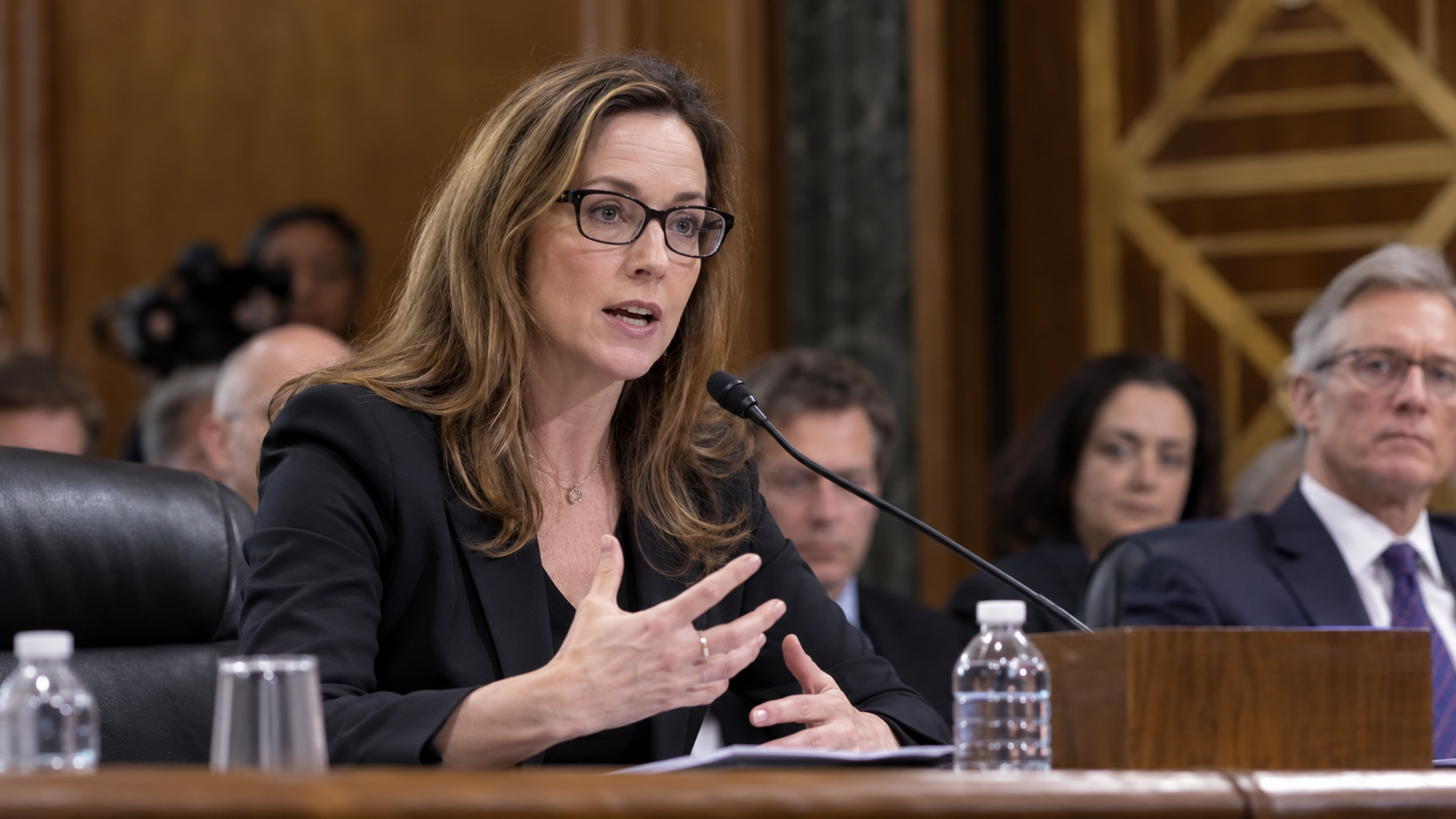
“It is not AI systems that pose the greatest risk to our humanity right now.”
Shannon Vallor made this statement in 2023 testimony to the United States Senate about the philosophy and governance of artificial intelligence. She argued that AI arrives during a crisis of confidence in democratic institutions and shared moral reasoning. The immediate danger is not only what machines can do, but the story that human judgment is obsolete and should be replaced by supposedly superior automated decisions. The wording is compact because it identifies the change the authors wanted readers to notice, rather than turning a complex project into a promise of automatic progress.
Technology shapes character and institutions partly through the roles people surrender to it. If organizations treat practical wisdom, empathy, responsibility, and political deliberation as inefficient remnants, they may weaken the very capacities needed to govern powerful tools. Vallor’s warning reframes agency: people build, buy, deploy, and authorize AI systems. Describing technology as an autonomous force can conceal those choices and the interests behind them. A careful reading separates the mechanism from the mythology that later accumulates around it. The quotation becomes more useful when its assumptions remain visible.
The argument applies when leaders claim an algorithm required a denial, ranking, or allocation that humans designed and can change. Public agencies and companies should name decision owners, publish reasons, and preserve opportunities for human deliberation. Education should strengthen critical thinking and civic capacity rather than training people merely to comply with automated recommendations. AI literacy includes understanding where human authority remains. The modern relevance lies in method, not nostalgia. Researchers and product teams can preserve the original curiosity while demanding stronger documentation, independent checks, and realistic operating conditions.
Human judgment is not automatically wise or fair, and invoking humanity should not protect unaccountable discretion. The goal is not to reject computation but to create institutions that combine evidence with democratic legitimacy and moral responsibility. Oversight needs technical competence, public participation, and the courage to refuse systems that undermine rights or shared purposes even when they appear efficient. A responsible interpretation keeps people in the frame. Technical success is incomplete if the system weakens agency, obscures accountability, or shifts risk onto those with the least power to object. Vallor’s sentence redirects attention from machine destiny to human choice. The future of AI depends on whether people exercise, rather than abandon, their capacity for wise collective governance. For readers, the practical habit is to return to the evidence: identify the task, examine the conditions of success, and ask who can act when reality differs from the demonstration. The work continues with care.
Narratives of inevitable machine superiority can make human judgment and democratic deliberation seem obsolete.
That framing hides the people and institutions that choose objectives, deployments, and the distribution of benefits and harms.
Organizations should identify who authorized an automated decision, which evidence supports it, and who can change it.
Appeal and public reasoning preserve accountability instead of treating the algorithm as an unquestionable actor.
People can be biased, inconsistent, or self-interested, so human involvement alone is not a safeguard.
Legitimate governance combines technical evidence, oversight, participation, rights, and clear responsibility for consequences.
Explore more "Quotes of The Day"
Continue exploring how writers, thinkers, artists, and advocates have described the choices that shape an everyday life.