

On This Day in Pop: April 10, 1925
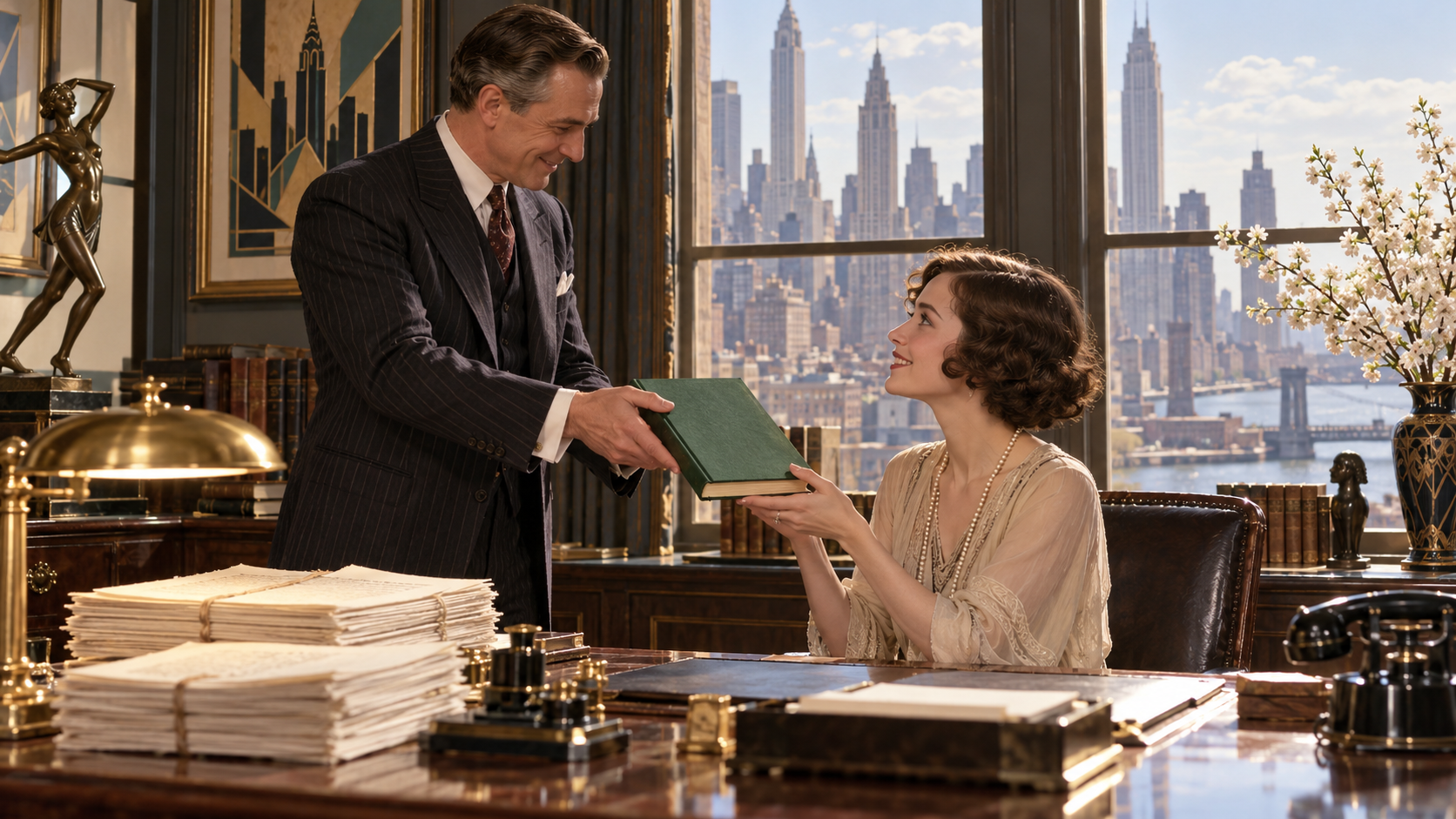
On April 10, 1925, F. Scott Fitzgerald’s The Great Gatsby was published. Charles Scribner’s Sons published F. Scott Fitzgerald’s The Great Gatsby, a compact novel about wealth, longing and self-invention in the Jazz Age. Fitzgerald considered it his most carefully made work, yet its first sales fell far short of the success he expected. Seen in the setting of its own year, the milestone was not inevitable. It depended on creative risks, business decisions, technical labor and an audience ready to respond. Reconstructing those conditions makes the anniversary more useful than a simple list of dates: it shows how popular culture is assembled by people, institutions and technologies, often before anyone can know which experiment will last.
The novel filtered the glamour of Long Island parties through Nick Carraway’s uneasy narration and the doomed hopes of Jay Gatsby. Its famous dust jacket, edited structure and recurring images gave the book a visual and rhythmic unity, but contemporary readers did not immediately crown it a classic. The immediate response matters because cultural influence rarely moves in a straight line. Reviews, broadcasts, ticket sales, radio play, word of mouth and later reissues can magnify a moment, while geography, cost and access determine who encounters it first. What seems universally remembered now may have reached its original public unevenly. That gap between launch and legend helps explain both the excitement surrounding the event and the limits built into its first reception.
Wartime Armed Services Editions put the novel into the hands of thousands of service members and helped fuel its posthumous revival. It later became a classroom staple and an enduring source for film, theater and fashion, even as critics continue debating its treatment of class, race and the American dream. Looking back also reveals the workers beyond the headline names: writers, musicians, designers, technicians, editors, publicists and exhibitors who turned an idea into a shared experience. Archives, recordings and surviving eyewitness accounts let later audiences recover some of that labor and question the myths that accumulate around success. The date remains worth revisiting because its meaning did not stop at midnight. Adaptations, reruns, revivals, criticism and fan memory kept changing how the episode was understood. Pop history is strongest when celebration is paired with context, giving the achievement its due while leaving room to ask who benefited, who was overlooked and why the story still feels alive. The richest anniversaries therefore work on two levels at once: they preserve the thrill of the original moment and trace the slower process by which memory selects certain images, phrases and personalities. That balance keeps commemoration from becoming either simple nostalgia or simple correction.
The novel filtered the glamour of Long Island parties through Nick Carraway's uneasy narration and the doomed hopes of Jay Gatsby. Its famous dust jacket, edited structure and recurring images gave the book a visual and rhythmic unity, but contemporary readers did not immediately crown it a classic.
The event also reflected the institutions, technologies and audience habits of its era.
Charles Scribner's Sons published F. Scott Fitzgerald's The Great Gatsby, a compact novel about wealth, longing and self-invention in the Jazz Age. Fitzgerald considered it his most carefully made work, yet its first sales fell far short of the success he expected.
Contemporary response was uneven, reminding us that later fame can flatten the complexity of a first reception.
Wartime Armed Services Editions put the novel into the hands of thousands of service members and helped fuel its posthumous revival. It later became a classroom staple and an enduring source for film, theater and fashion, even as critics continue debating its treatment of class, race and the American dream.
Its afterlife continues through archives, reissues, adaptation, criticism and fan memory.
Explore more of "On This Day ..."
Discover more events from the same date across news, politics, technology, sports, and other fields. Each link highlights significant moments that shaped history on different fronts.