

How Cricket's Dead-Ball Rule Works Explainer
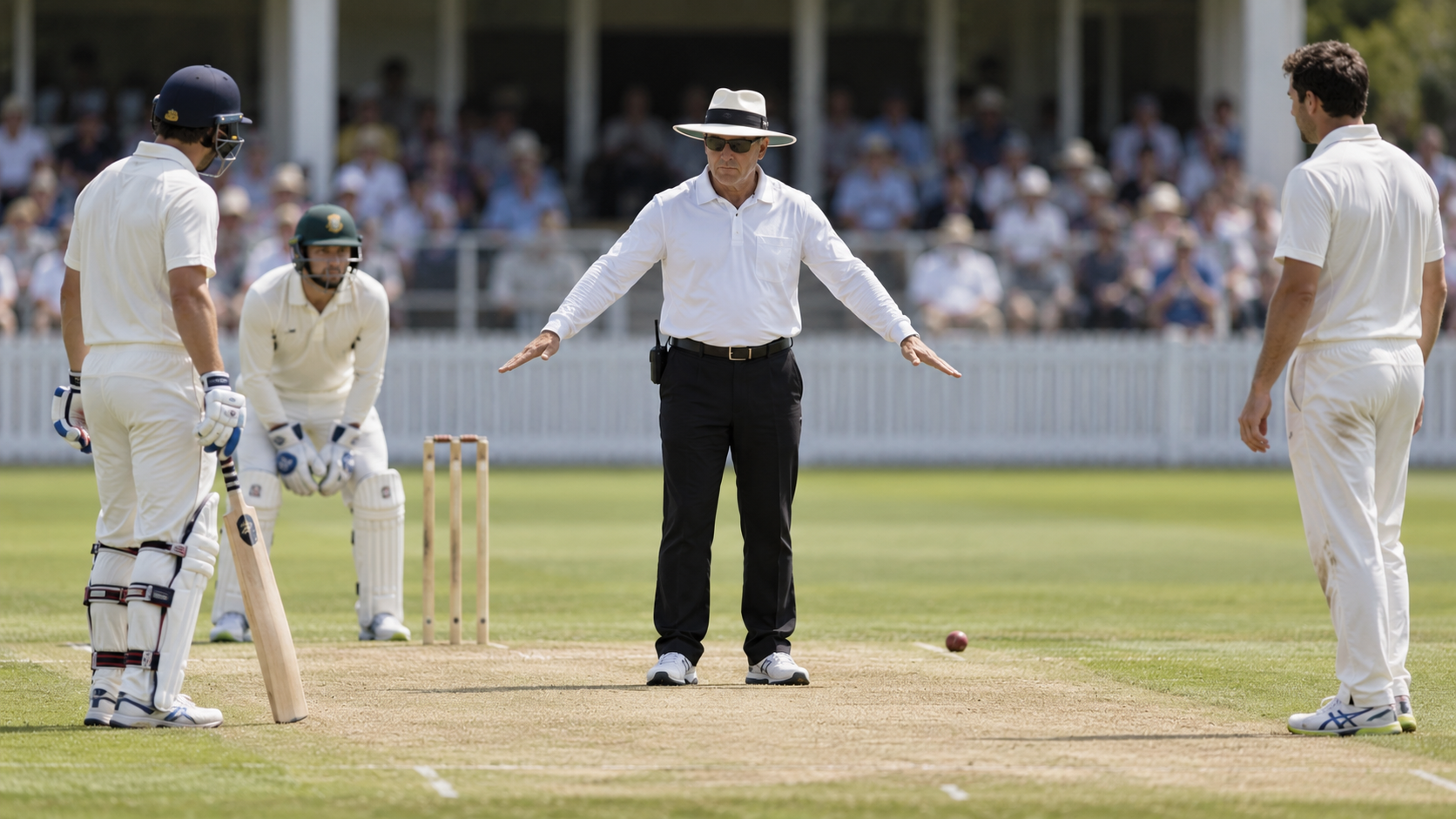
A cricket ball is dead when play on that delivery has ended and no further runs or dismissals can arise from it. Some events make it dead automatically, such as the ball finally settling in the wicketkeeper's or bowler's hands when both sides treat the play as over. Other situations require an umpire's call.
An umpire may call Dead ball for injury, outside interference, equipment problems, a batter not ready under the rule, or another circumstance that makes normal play impossible or unfair. The timing matters because runs completed and dismissals made before the ball became dead may still count, while later action does not.
Dead ball is different from a no-ball or wide. Those are delivery calls that can add runs while the ball often remains live. A ball can first be called no-ball and later become dead. Scorekeepers apply every relevant signal in sequence to determine the final result of the delivery.
Players should not assume the ball is dead merely because action slows. A fielder may still attempt a run out if batters leave their ground while the ball remains live. Clear umpire signals and the conduct of both teams establish when the contest on that delivery has truly finished.
Either umpire may call it when the Laws require intervention.
No. A no-ball often remains live until another event ends the play.
No. Runs or dismissals arising after the ball became dead are not part of the delivery.
Explore more "Explainers"
Discover additional explainers across politics, science, business, technology, and other fields. Each explainer breaks down a complex idea into clear, everyday language—helping you better understand how major concepts, systems, and debates shape the world around us.