

On This Day in AI: May 15, 2024
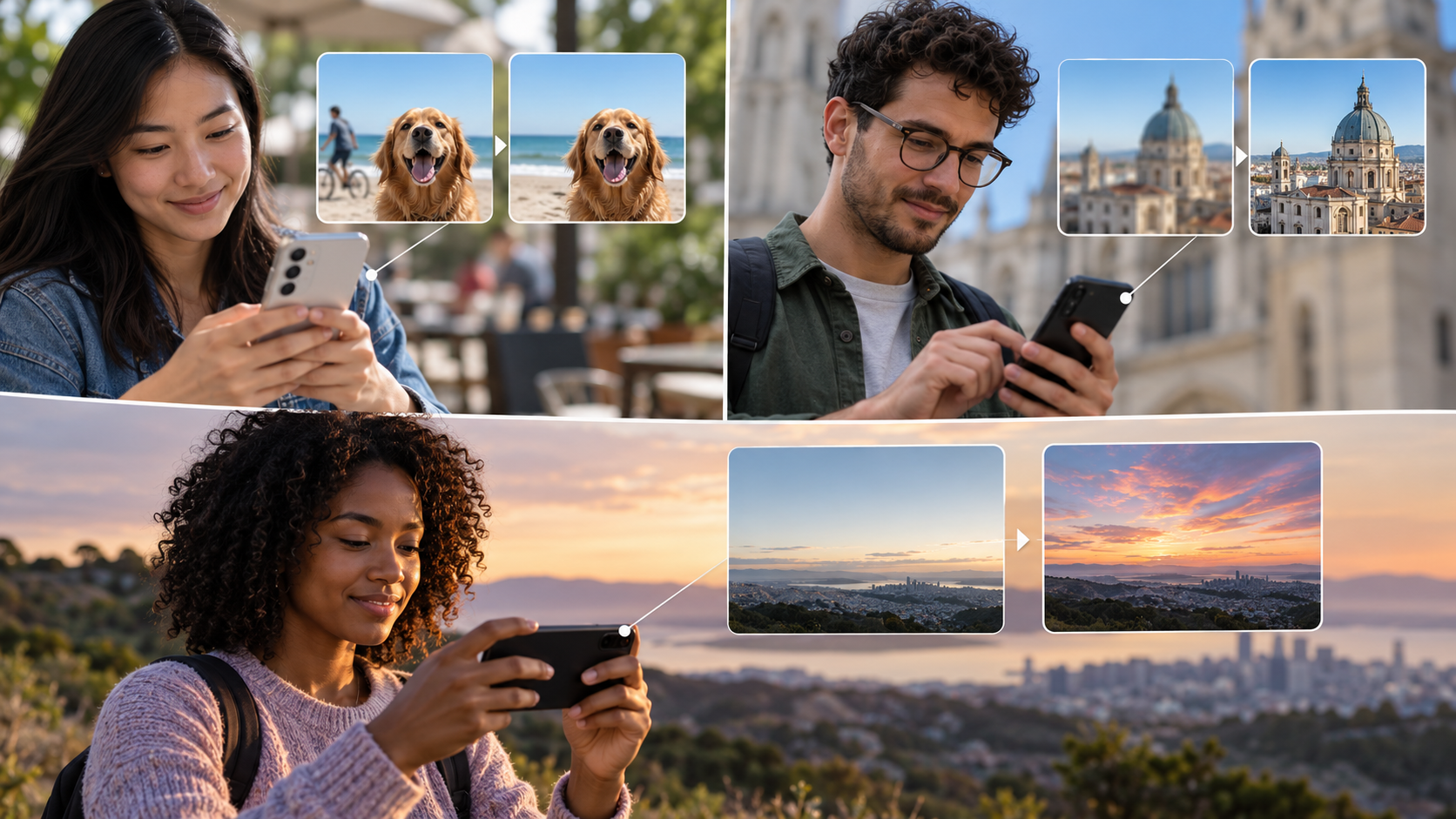
On May 15, 2024, Google began rolling out AI-powered editing features such as Magic Eraser, Photo Unblur, Portrait Light, and limited Magic Editor saves to many more Google Photos users without a subscription. The expansion brought sophisticated editing to ordinary Android and iOS devices. Computational photography had improved pictures automatically for years, but generative editing allowed people to move subjects, remove distractions, or reshape a scene after capture. Those abilities had initially been limited to premium devices and plans. The date matters because it turned a fast-moving technical, policy, or commercial development into a visible milestone that people and institutions could evaluate.
The substance of the broad rollout of Google Photos AI editing tools was as important as the headline. Eligible users received tools for removing objects, repairing blur, adjusting portrait lighting, and making generative changes through simple selections. Hardware and operating-system requirements remained, while broader Magic Editor use beyond a monthly allowance required an eligible Pixel device or paid plan. Those choices reveal what the people behind the milestone believed was necessary at the time. AI history rarely advances through one breakthrough alone; research, infrastructure, product design, governance, and access all shape what a system can become.
The immediate consequences reached beyond the organization at the center of the event. The rollout normalized edits that once required specialist software and substantial skill. It also increased the importance of provenance because a familiar photo-library interface could now blend captured and generated content almost invisibly. The moment also invited scrutiny, because new capabilities create new dependencies. Reliability, safety, cost, privacy, and human control determine whether an impressive demonstration becomes a trustworthy part of everyday life. Those practical limits are essential to understanding both the achievement and the response it received.
In retrospect, AI editing became a routine feature of consumer cameras and photo services. The May expansion marks the point when generative manipulation moved from a showcase capability into an everyday tool available to a much wider public. Looking back from today’s rapidly changing AI landscape, this event belongs to a larger transition from specialized machine-learning experiments to systems embedded in ordinary products, workplaces, institutions, and public decisions. Its enduring lesson is that technical progress becomes historically significant when it changes what people can do and what society expects next. It also reminds us that every celebrated capability is shaped by the data, institutions, hardware, and human judgment surrounding it. The anniversary therefore records a turning point, not simply an announcement.
Google began rolling out AI-powered editing features such as Magic Eraser, Photo Unblur, Portrait Light, and limited Magic Editor saves to many more Google Photos users without a subscription. The expansion brought sophisticated editing to ordinary Android and iOS devices.
Eligible users received tools for removing objects, repairing blur, adjusting portrait lighting, and making generative changes through simple selections. Hardware and operating-system requirements remained, while broader Magic Editor use beyond a monthly allowance required an eligible Pixel device or paid plan.
The rollout normalized edits that once required specialist software and substantial skill. It also increased the importance of provenance because a familiar photo-library interface could now blend captured and generated content almost invisibly.
The event connected a concrete technical, commercial, or policy decision with the wider development of artificial intelligence.
AI editing became a routine feature of consumer cameras and photo services. The May expansion marks the point when generative manipulation moved from a showcase capability into an everyday tool available to a much wider public.
Its influence can be traced through later products, research, governance, or industry practice.
Explore more of "On This Day ..."
Discover more events from the same date across news, politics, technology, sports, and other fields. Each link highlights significant moments that shaped history on different fronts.