

On This Day in Sports: May 4, 1975
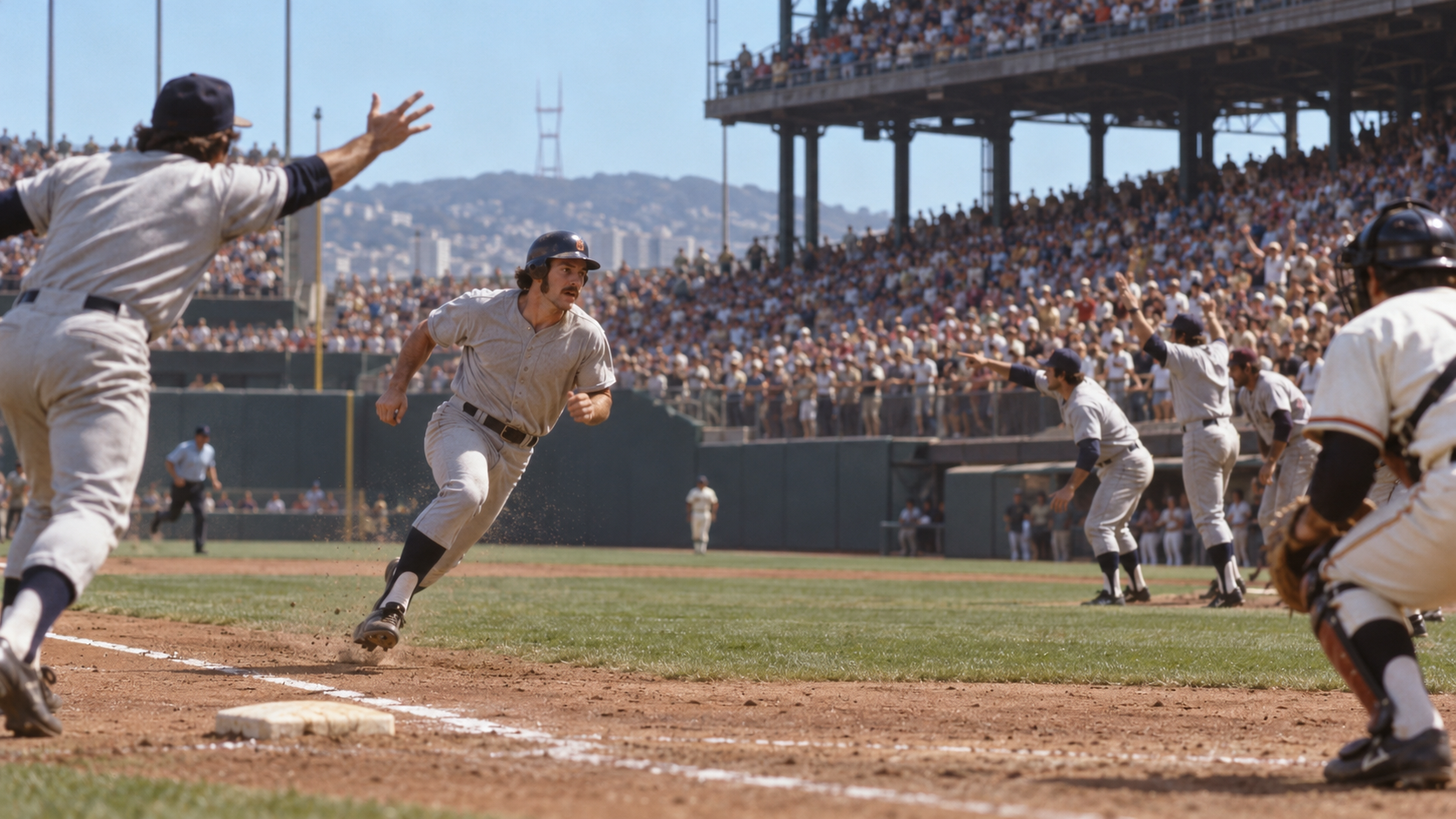
On May 4, 1975, Houston Astros outfielder Bob Watson raced home from second base on a three-run homer by Milt May and was credited with scoring the one-millionth run in major-league history. The milestone arrived during a carefully monitored league-wide countdown, with officials tracking every game as several runners approached the total. Watson crossed the plate in San Francisco just ahead of Cincinnati’s Dave Concepción, who scored moments later in another city. The public record fixes the central details with unusual clarity: Watson scored on Milt May’s three-run homer. The run came in the second inning in San Francisco. Together, those facts explain why May 4, 1975 stands apart from the ordinary flow of a season and deserves to be remembered as a distinct historical moment.
Watson had reached base on a walk in the second inning against Giants pitcher John Montefusco. May then drove a pitch over the right-field wall, sending Watson into a sprint once the significance registered. Teammates motioned him home as he accelerated around third. When he touched the plate, a stopwatch and communications network confirmed that Houston’s run had beaten the competing score from Cincinnati by only seconds. Two further details help reconstruct how the achievement unfolded: Major League Baseball tracked games simultaneously. Dave Concepción scored in Cincinnati moments later. They move the story beyond a headline by showing the pressure, setting and competitive choices that shaped the decisive action in real time.
The number was partly ceremonial because nineteenth-century records were incomplete and official totals depended on the accounting method. Major League Baseball nevertheless turned the chase into a national promotion, offering a prize package that included cash and a new car. Watson later joked about the unusual experience of hurrying around the bases on a home run, but his speed made the difference in the contest as it was organized. The wider context is equally important. Watson hurried around the bases to secure the milestone. The designation was part of a league promotion. Those points connect one day’s performance to a longer career, institution or rivalry and clarify why the event continued to matter after the immediate celebration had ended.
The millionth run became a snapshot of baseball’s fascination with accumulated statistics. No single score created the total; generations of players had built it one trip around the bases at a time. Watson’s dash gave that vast history a human finish line. The Astros lost the game, but their outfielder carried home an enduring trivia distinction that no later correction or milestone could repeat. Seen from today, the milestone remains compelling because it joins a measurable result with the uncertainty of live competition. Nothing about the outcome was guaranteed beforehand. That combination of preparation, opportunity and execution is what transformed the date from another entry on the schedule into lasting sports history.
Watson scored on Milt May’s three-run homer.
The run came in the second inning in San Francisco.
Major League Baseball tracked games simultaneously.
Dave Concepción scored in Cincinnati moments later.
Watson hurried around the bases to secure the milestone.
The designation was part of a league promotion.
Explore more "On This Day in Sports"
Discover more landmark games, records, championships, and turning points from sports history. Each day revisits the athletes, teams, and moments that shaped competition and culture.