

On This Day in AI: June 26, 2024
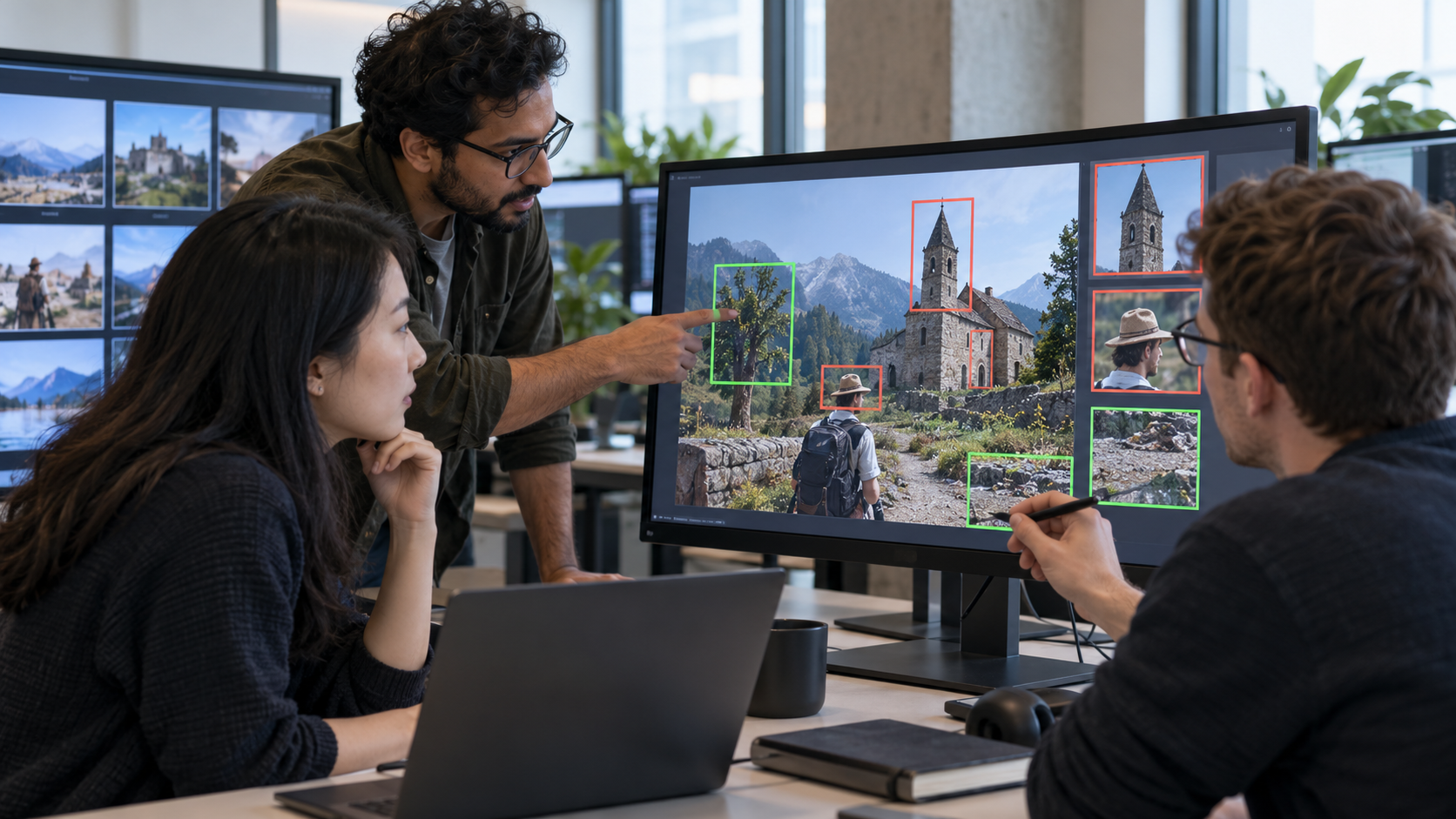
On June 26, 2024, Google Research released RichHF-18K and methods for applying detailed human feedback to text-to-image generation. Instead of recording only which image a person preferred, the dataset captured artifact locations, implausibility, missing concepts, and misalignment between a prompt and the generated scene. Image models were improving quickly but still produced distorted bodies, duplicated objects, broken text, and prompt errors. Simple thumbs-up ratings did not explain what failed or where, limiting the signal available for evaluation and model improvement. The date matters because it turned a fast-moving technical, policy, or commercial development into a visible milestone that people and institutions could evaluate.
The substance of Google’s RichHF-18K dataset and rich human-feedback research was as important as the headline. Researchers trained a multimodal transformer to predict scores, heatmaps, and missing or mismatched concepts from the new annotations. They used predicted feedback to filter training examples and fine-tune image models with fewer visible artifacts. Those choices reveal what the people behind the milestone believed was necessary at the time. AI history rarely advances through one breakthrough alone; research, infrastructure, product design, governance, and access all shape what a system can become.
The immediate consequences reached beyond the organization at the center of the event. The project showed that richer supervision could make generative systems more controllable and diagnostically useful. It also provided an open resource for studying image quality beyond a single overall preference score. The moment also invited scrutiny, because new capabilities create new dependencies. Reliability, safety, cost, privacy, and human control determine whether an impressive demonstration becomes a trustworthy part of everyday life. Those practical limits are essential to understanding both the achievement and the response it received.
In retrospect, Detailed feedback, automated critics, and spatial evaluations became important components of generative-media development. RichHF-18K remains a notable attempt to turn subjective visual judgment into structured information models can learn from. Looking back from today’s rapidly changing AI landscape, this event belongs to a larger transition from specialized machine-learning experiments to systems embedded in ordinary products, workplaces, institutions, and public decisions. Its enduring lesson is that technical progress becomes historically significant when it changes what people can do and what society expects next. It also reminds us that every celebrated capability is shaped by the data, institutions, hardware, and human judgment surrounding it. The anniversary therefore records a turning point, not simply an announcement.
Google Research released RichHF-18K and methods for applying detailed human feedback to text-to-image generation. Instead of recording only which image a person preferred, the dataset captured artifact locations, implausibility, missing concepts, and misalignment between a prompt and the generated scene.
Researchers trained a multimodal transformer to predict scores, heatmaps, and missing or mismatched concepts from the new annotations. They used predicted feedback to filter training examples and fine-tune image models with fewer visible artifacts.
The project showed that richer supervision could make generative systems more controllable and diagnostically useful. It also provided an open resource for studying image quality beyond a single overall preference score.
The event connected a concrete technical, commercial, or policy decision with the wider development of artificial intelligence.
Detailed feedback, automated critics, and spatial evaluations became important components of generative-media development. RichHF-18K remains a notable attempt to turn subjective visual judgment into structured information models can learn from.
Its influence can be traced through later products, research, governance, or industry practice.
Explore more of "On This Day ..."
Discover more events from the same date across news, politics, technology, sports, and other fields. Each link highlights significant moments that shaped history on different fronts.