

On This Day in Pop: June 10, 2007
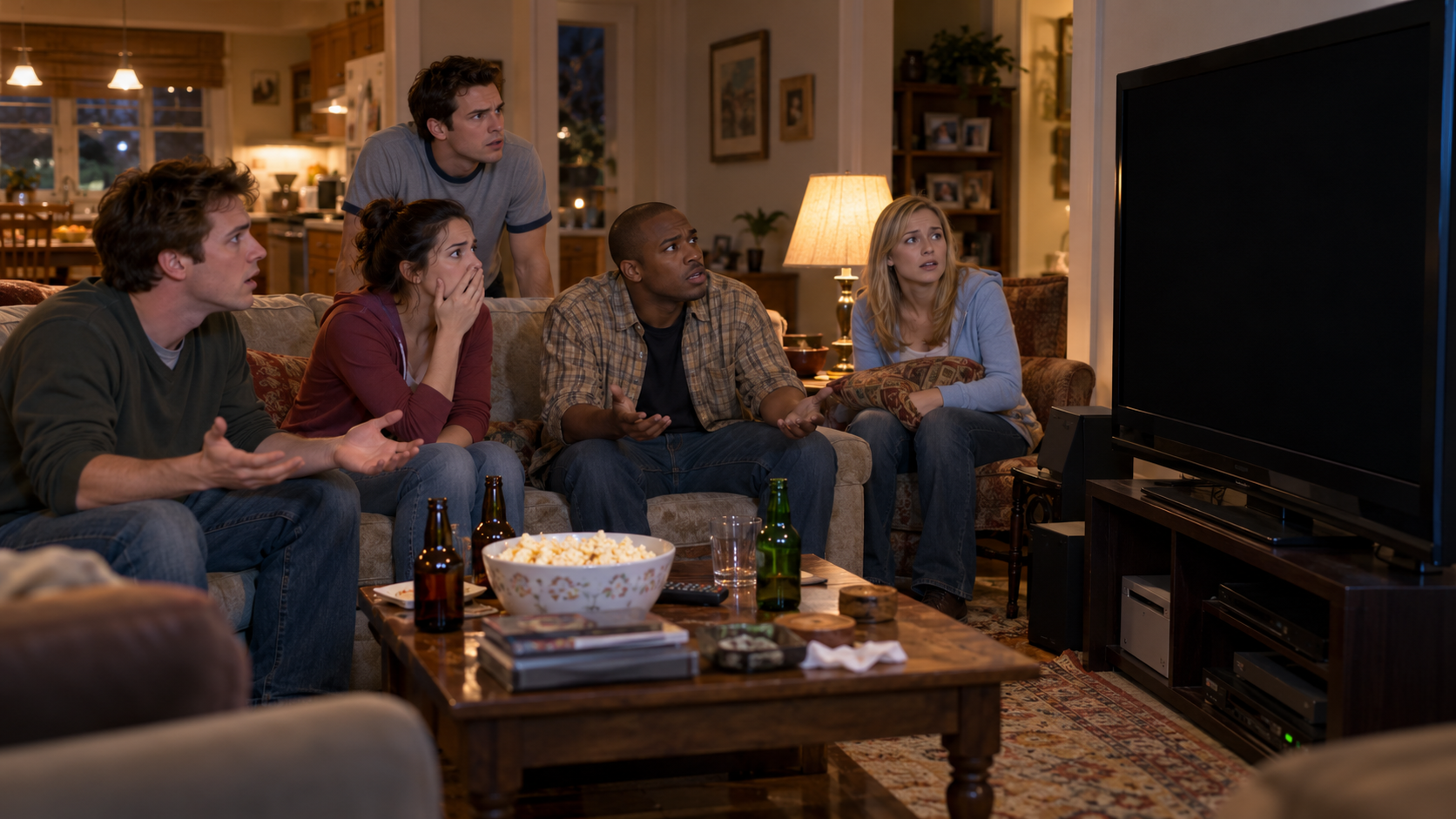
On June 10, 2007, HBO aired Made in America, the final episode of The Sopranos. Created and written by David Chase, the episode brought Tony Soprano’s criminal and family worlds to a state of uneasy suspension rather than conventional resolution. Rivalries shifted, negotiations occurred and daily life resumed under threat. In the final scene, Tony waited in a diner as family members arrived one by one and Journey’s Don’t Stop Believin’ played on the jukebox. The editing repeatedly connected Tony’s glance toward the door with what entered his field of view. Just as Meadow approached, the picture cut abruptly to black and the sound stopped. Many viewers initially thought their cable service had failed. Seconds of silence became one of television’s most discussed endings.
The finale mattered because it treated audience expectation as material. Television dramas had trained viewers to anticipate confession, punishment, escape or death, especially after years spent inside a morally compromised protagonist’s life. Chase instead denied a final confirming image. The cut invited close readings of earlier episodes, point-of-view patterns, lyrics, background figures and Tony’s warning that danger may arrive without perception. It also left open a simpler interpretation: this was the condition of his life, whether a bullet came in that instant or not. The ambiguity became a communal media event because millions encountered it simultaneously, then carried argument from living rooms into offices, newspapers and online forums. The ending depended as much on broadcast timing as on plot.
The Sopranos had already changed television by making serialized moral complexity central to a popular cable drama and by giving its antihero room for therapy, domestic routine and contradiction. The finale sealed that legacy by refusing to separate viewers from the uncertainty the series had cultivated. Later prestige dramas followed its willingness to make protagonists difficult, structure seasons novelistically and trust audiences with unresolved meaning. Streaming would soon weaken the shared schedule that amplified the original broadcast, but the episode remained endlessly replayable and debatable. Its final black screen is now less a missing answer than a formal choice—an edit that turns watching itself into the subject. The series ended, yet the audience’s act of interpreting did not, which may be the most fitting conclusion for a show built on denial, self-knowledge and stories people tell to keep going.
Remembering the sopranos airs its final episode on June 10 is valuable because anniversaries turn a familiar cultural object back into a specific decision, release or broadcast. The surrounding technology, business and audience conditions explain why the moment could happen then, while its later uses show that meaning never stops changing. Seen at that scale, the date is not trivia. It is a checkpoint between creation and memory: a place to separate what occurred from the legend accumulated around it and to ask why the work still attracts attention.
Made in America, the final episode of The Sopranos, aired on HBO on June 10, 2007.
The moment reached audiences through the media and distribution systems of 2007, influencing how the initial response developed.
Its diner sequence ended with an abrupt cut to black and silence before viewers received a conventional resolution.
Its early impact was substantial but not universal, and later retellings sometimes compressed a more complicated contemporary response.
The ambiguity generated immediate debate and became a landmark in the history of serialized television endings.
Anniversary coverage continues to place The Sopranos Ends within the broader history of popular culture while distinguishing documented evidence from later legend.
Explore more of "On This Day ..."
Discover more events from the same date across news, politics, technology, sports, and other fields. Each link highlights significant moments that shaped history on different fronts.