Ursula Burns, 2015
Burns joins ambition with its enabling conditions: education, effort, courage, and the people who help opportunity become real.

Don't Just Read it – Explore It
Burns joins ambition with its enabling conditions: education, effort, courage, and the people who help opportunity become real.
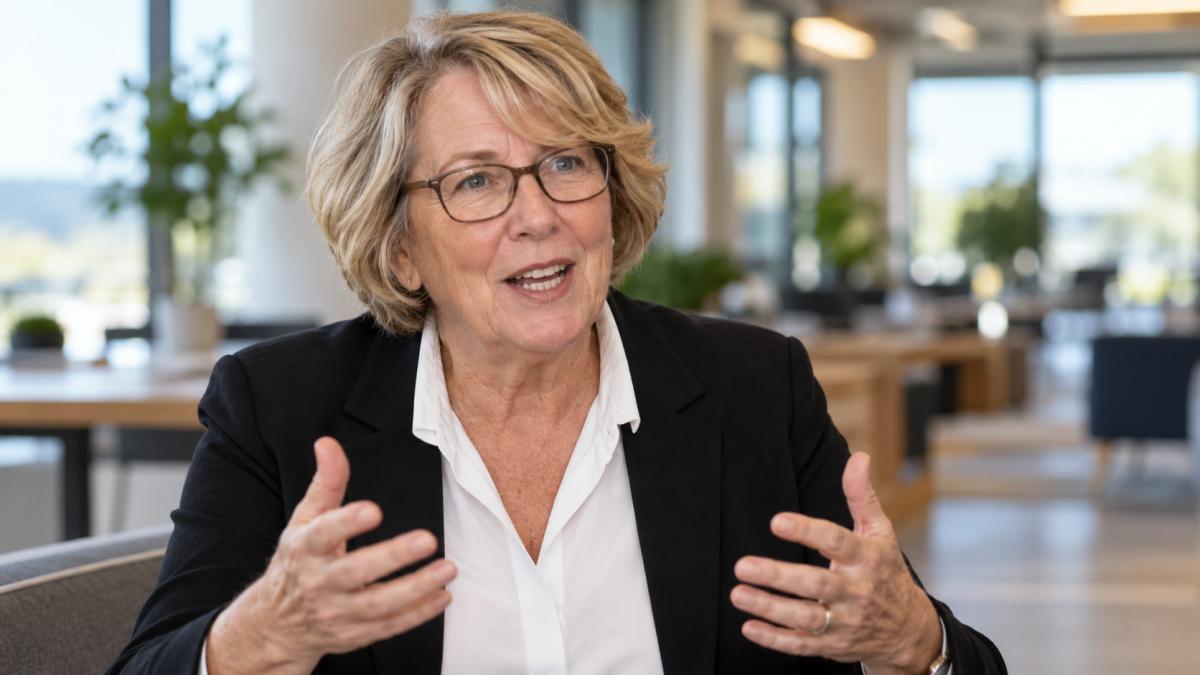
Nooyi’s whole-self philosophy asks workplaces to make room for human difference without sacrificing privacy, standards, or fair outcomes.
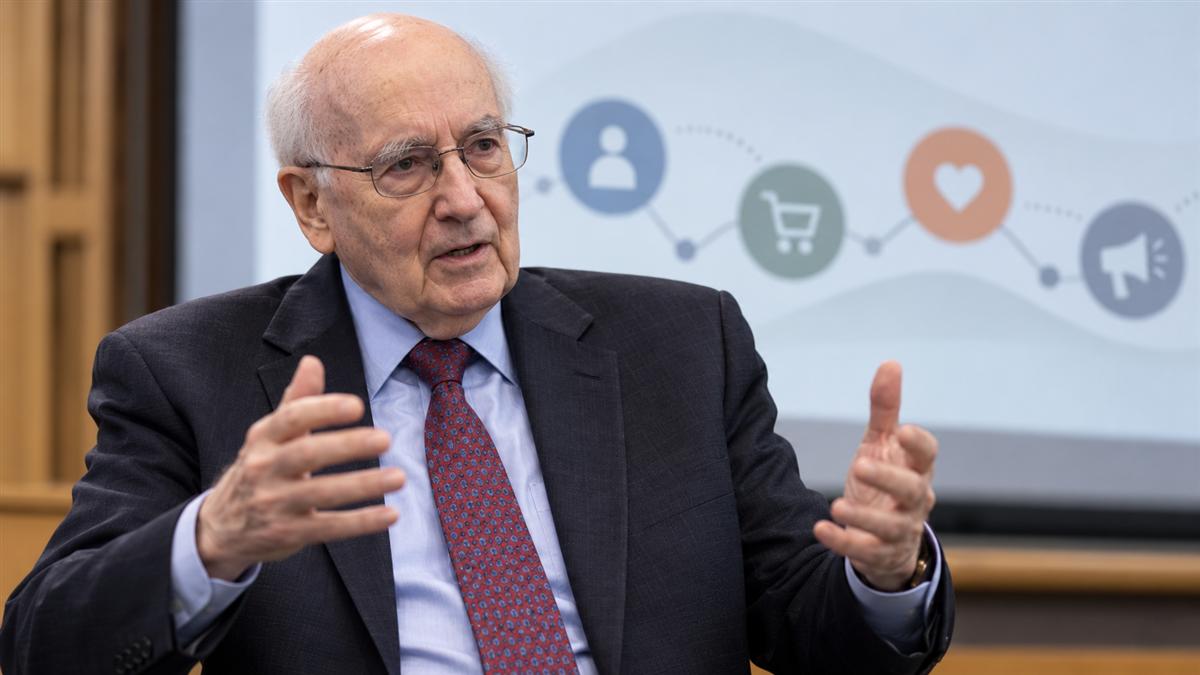
Kotler moves marketing upstream: understand the customer and create genuine value before trying to communicate or sell the offering.
Taylor’s system-first ideal explains the power of process—and the danger of efficiency that removes worker judgment and dignity.
Christensen calls management noble when leaders use everyday authority to help people grow, contribute, and experience meaningful work.
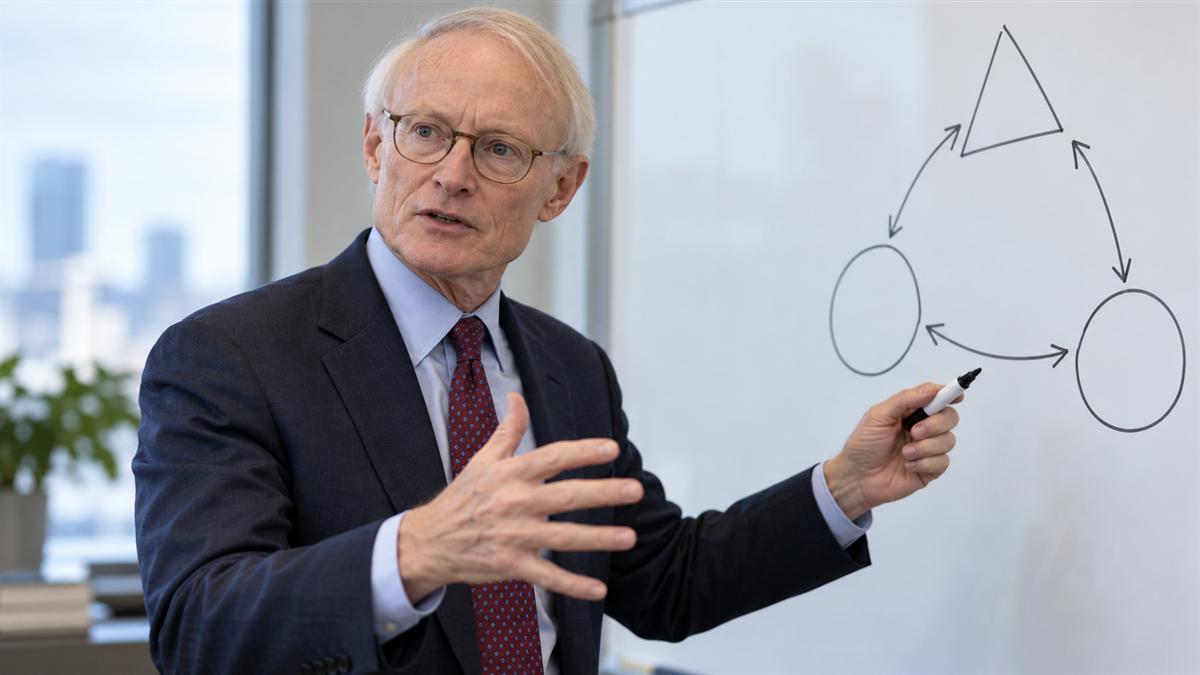
Porter makes refusal central to strategy: coherent advantage depends on the valuable opportunities an organization deliberately declines.
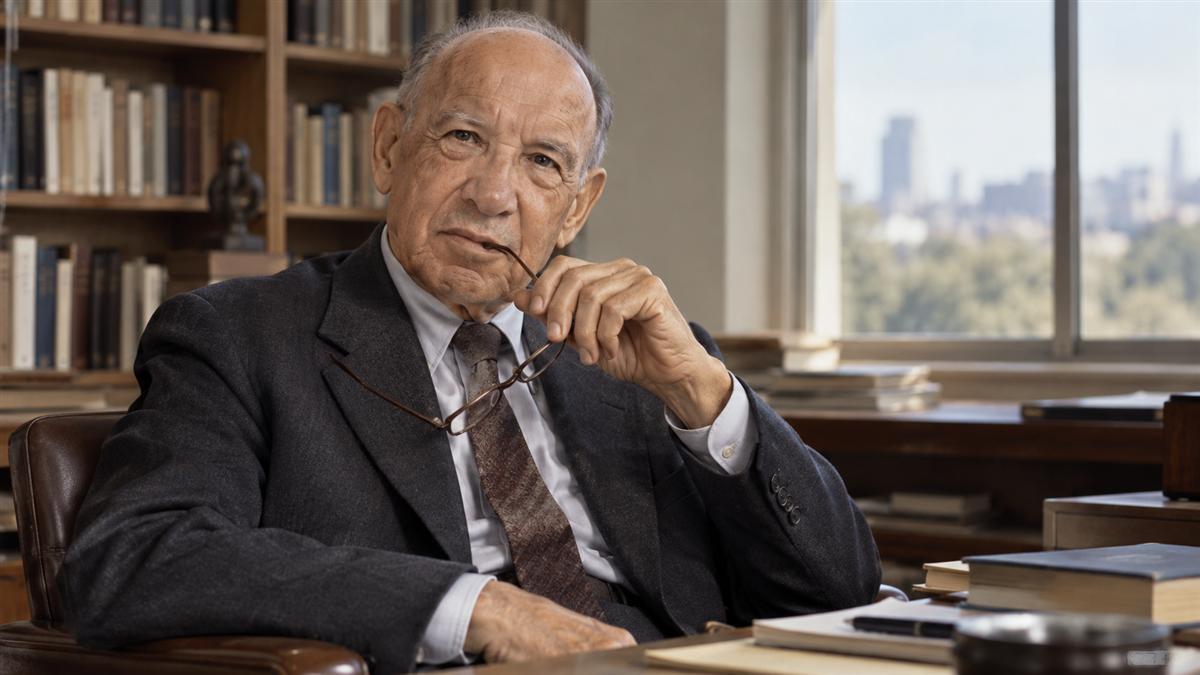
Drucker locates business purpose outside the company: create a customer by solving a real problem and earning a continuing relationship.
Martin’s compact definition makes strategy visible in reinforcing choices—and in the attractive opportunities an organization declines.
Frei makes trust diagnosable through authenticity, logic, and empathy—and repairable through accountable behavior and systems.
McCord asks companies to trust capable adults with context and judgment instead of removing power through reflexive control.
Botsman treats trust as the enabling currency of networked exchange—and makes platform governance responsible for earning it.
Fried treats uninterrupted attention as a scarce organizational resource that leaders must deliberately allocate and protect.