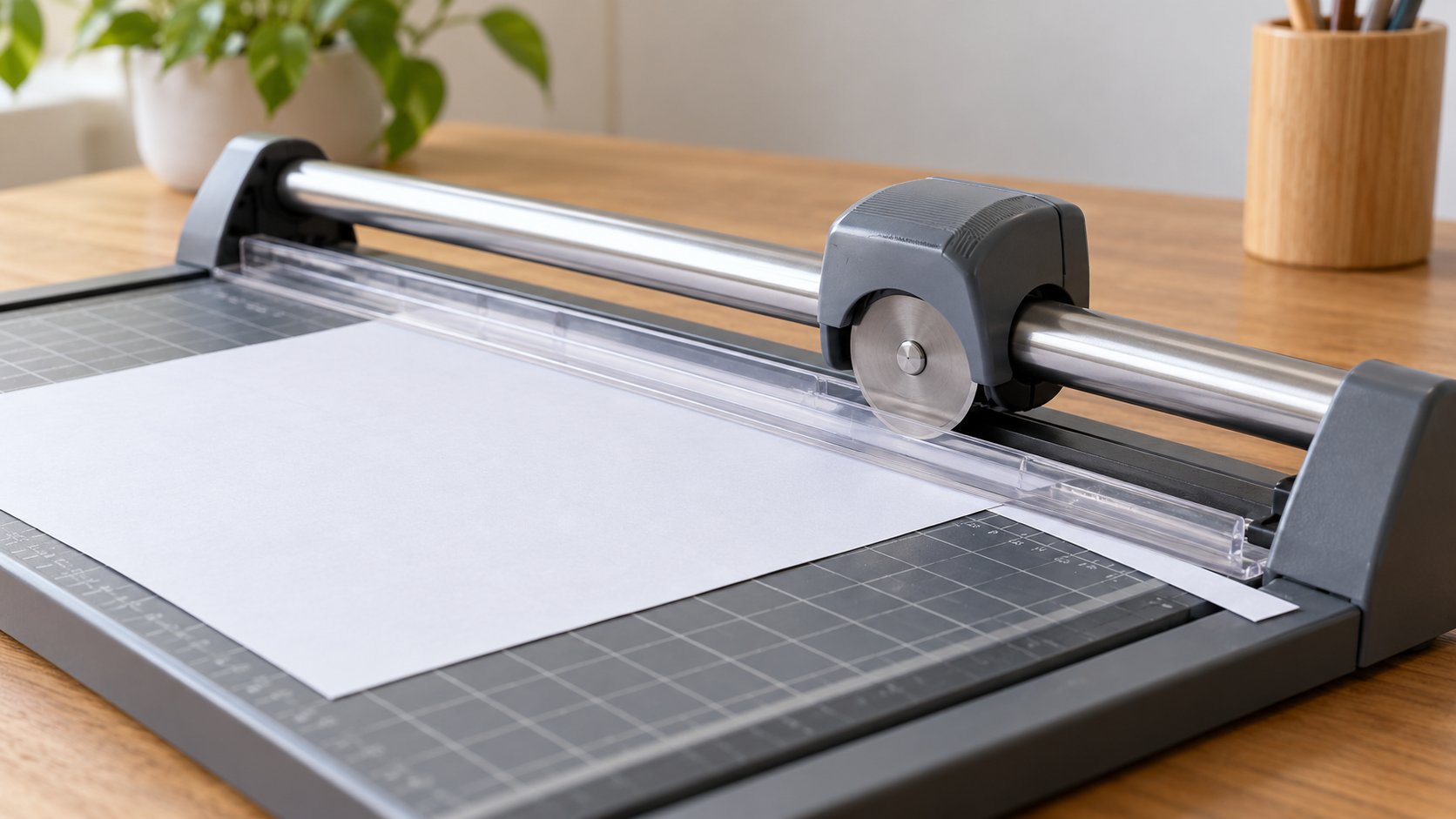
How Does a Rotary Paper Trimmer Make a Clean Cut?
How Does a Rotary Paper Trimmer Make a Clean Cut—parts, operating sequence, practical limits, and safe use explained.

Don't Just Read it – Explore It
How Does a Rotary Paper Trimmer Make a Clean Cut—parts, operating sequence, practical limits, and safe use explained.
How Does a Magnifying Glass Enlarge an Image—parts, operating sequence, practical limits, and safe use explained.
How Does a Kaleidoscope Create Repeating Patterns—parts, operating sequence, practical limits, and safe use explained.
The objective forms a small inverted real image, the prisms fold the light path and restore orientation, and the eyepiece magnifies that intermediate image for the eye.
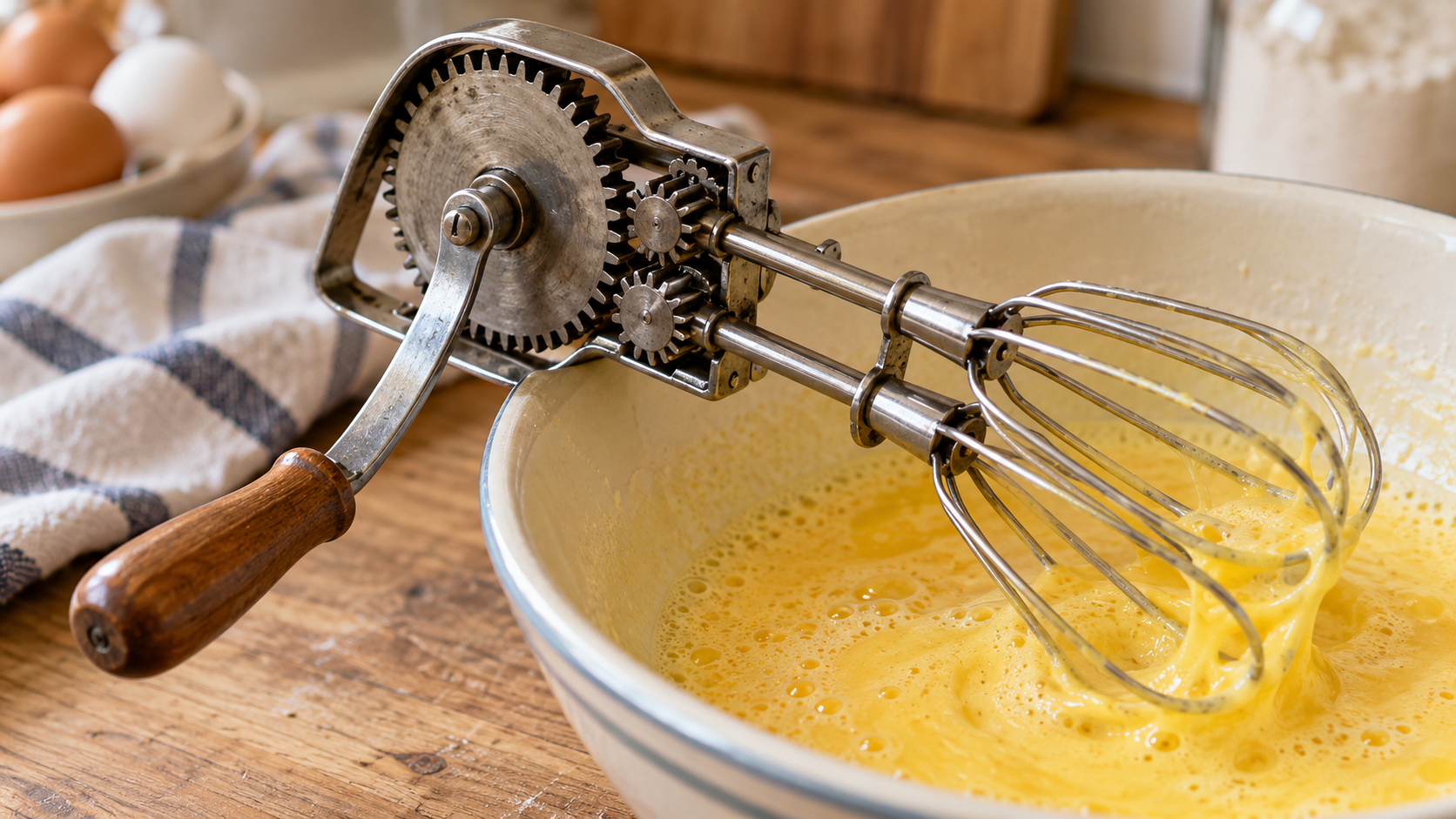
Turning the crank rotates the large gear, which drives the pinions faster and in coordinated directions so the wire beaters sweep overlapping paths through the food.
How Does a Pull-Cord Food Chopper Spin Its Blades—parts, operating sequence, practical limits, and safe use explained.
As food moves across a face, each leading lip slices off a piece and the adjacent opening directs it through the sheet into the hollow interior.
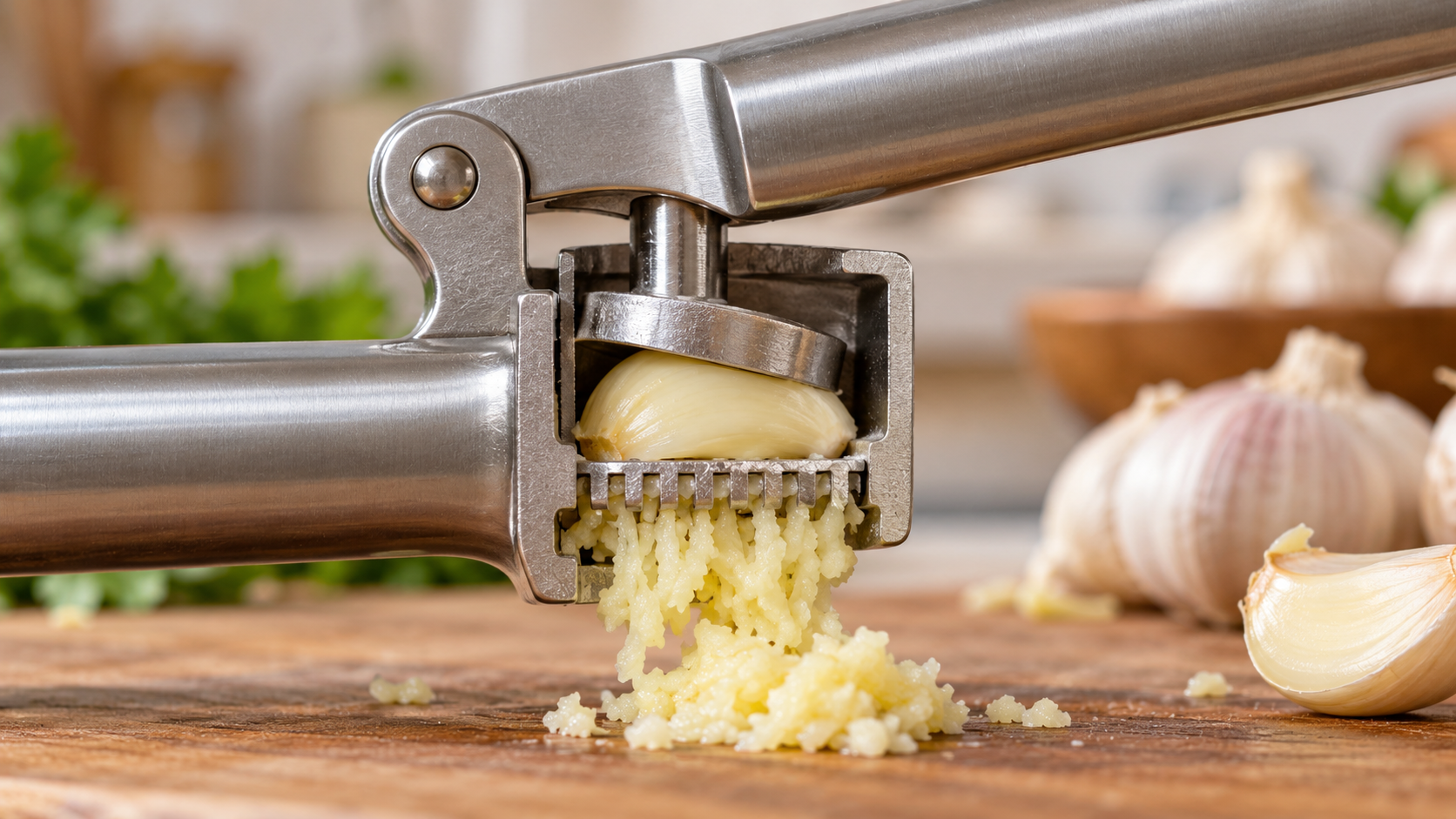
Closing the handles produces a mechanical advantage at the short output arm, driving the plunger into the chamber and forcing softened clove material through many small holes.
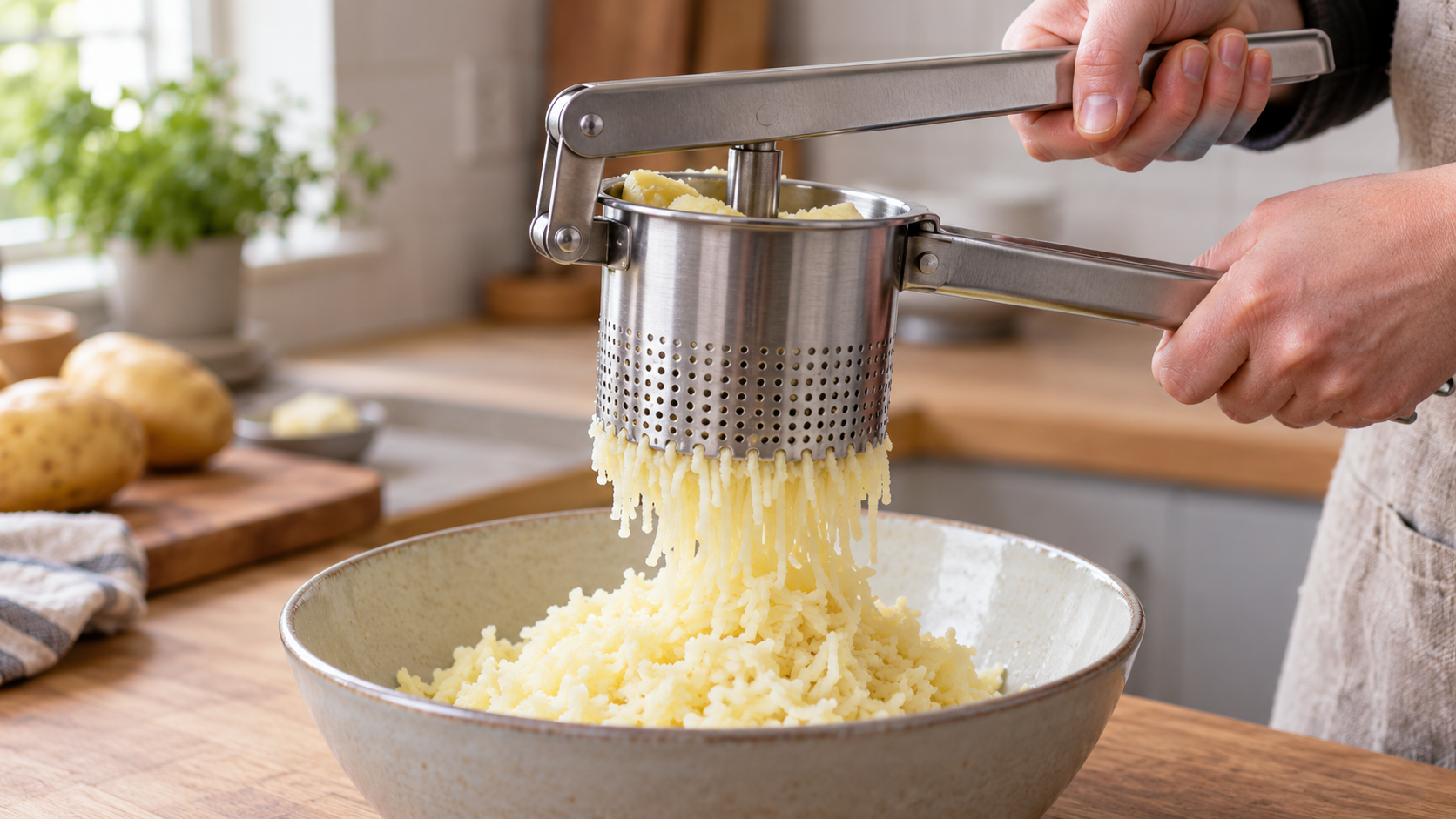
How Does a Potato Ricer Make Even Strands—parts, operating sequence, practical limits, and safe use explained.
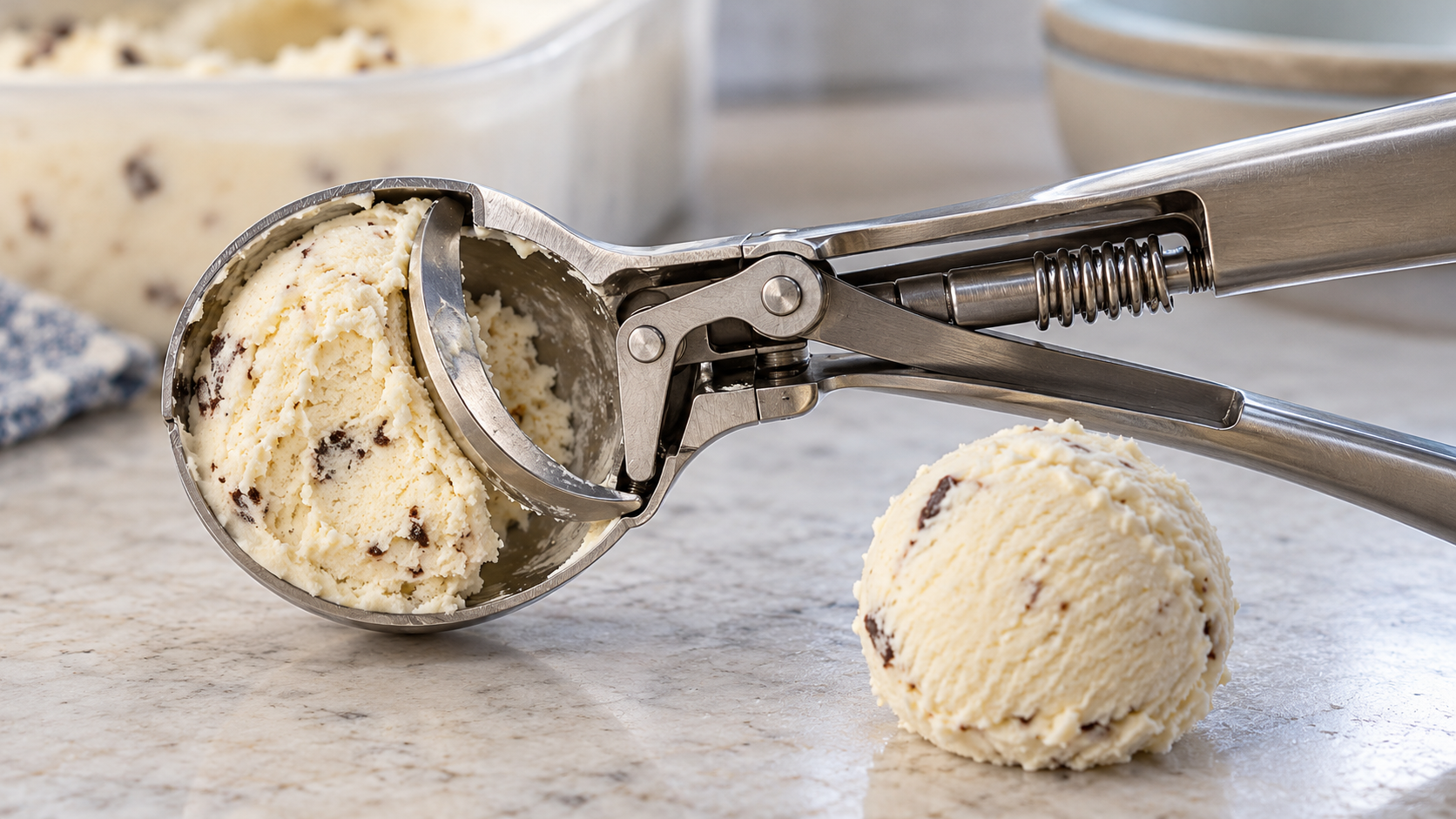
How Does a Trigger Ice-Cream Scoop Release a Portion—parts, operating sequence, practical limits, and safe use explained.
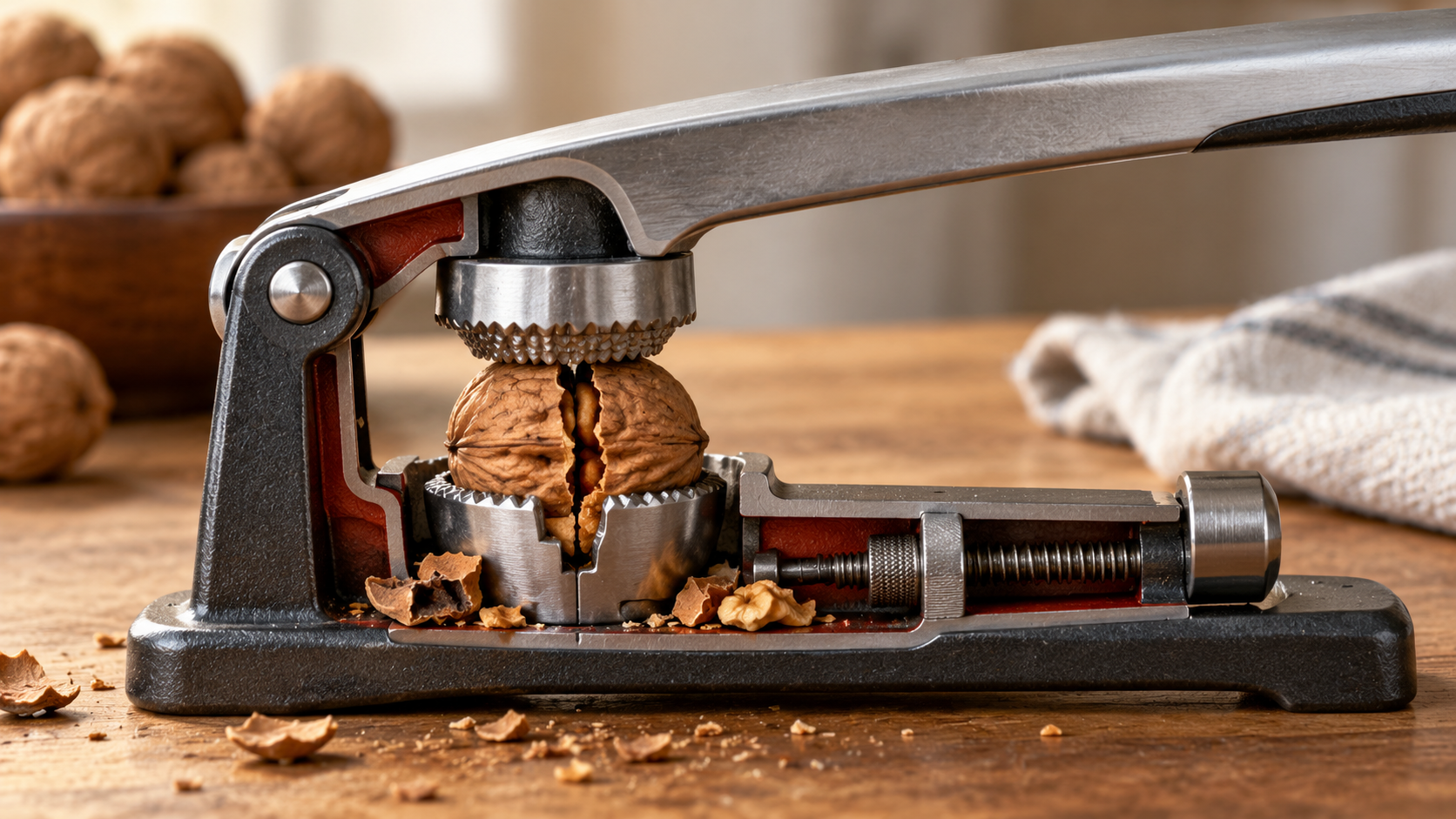
How Does a Lever Nutcracker Break a Shell—parts, operating sequence, practical limits, and safe use explained.
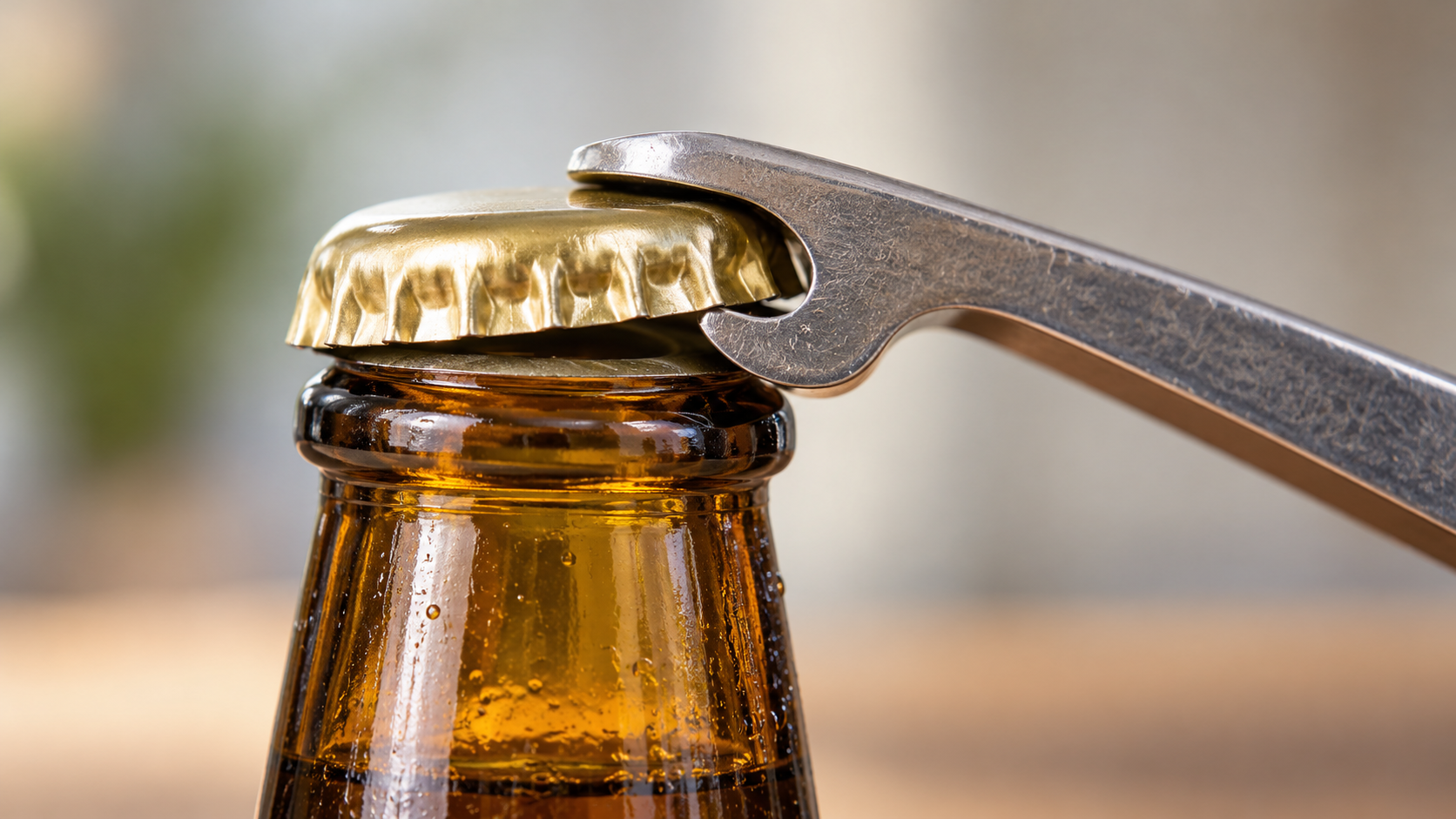
Lifting the long handle rotates the opener about that support point, raising the hooked edge with greater force until the metal skirt deforms and disengages from the bottle bead.