Set Decoration
Set decoration fills designed spaces with the furnishings, objects, textures, and lived-in detail that make screen worlds believable.

Don't Just Read it – Explore It
Set decoration fills designed spaces with the furnishings, objects, textures, and lived-in detail that make screen worlds believable.
Art directors convert a production designer’s visual concept into drawings, schedules, builds, locations, and coordinated art-department work.
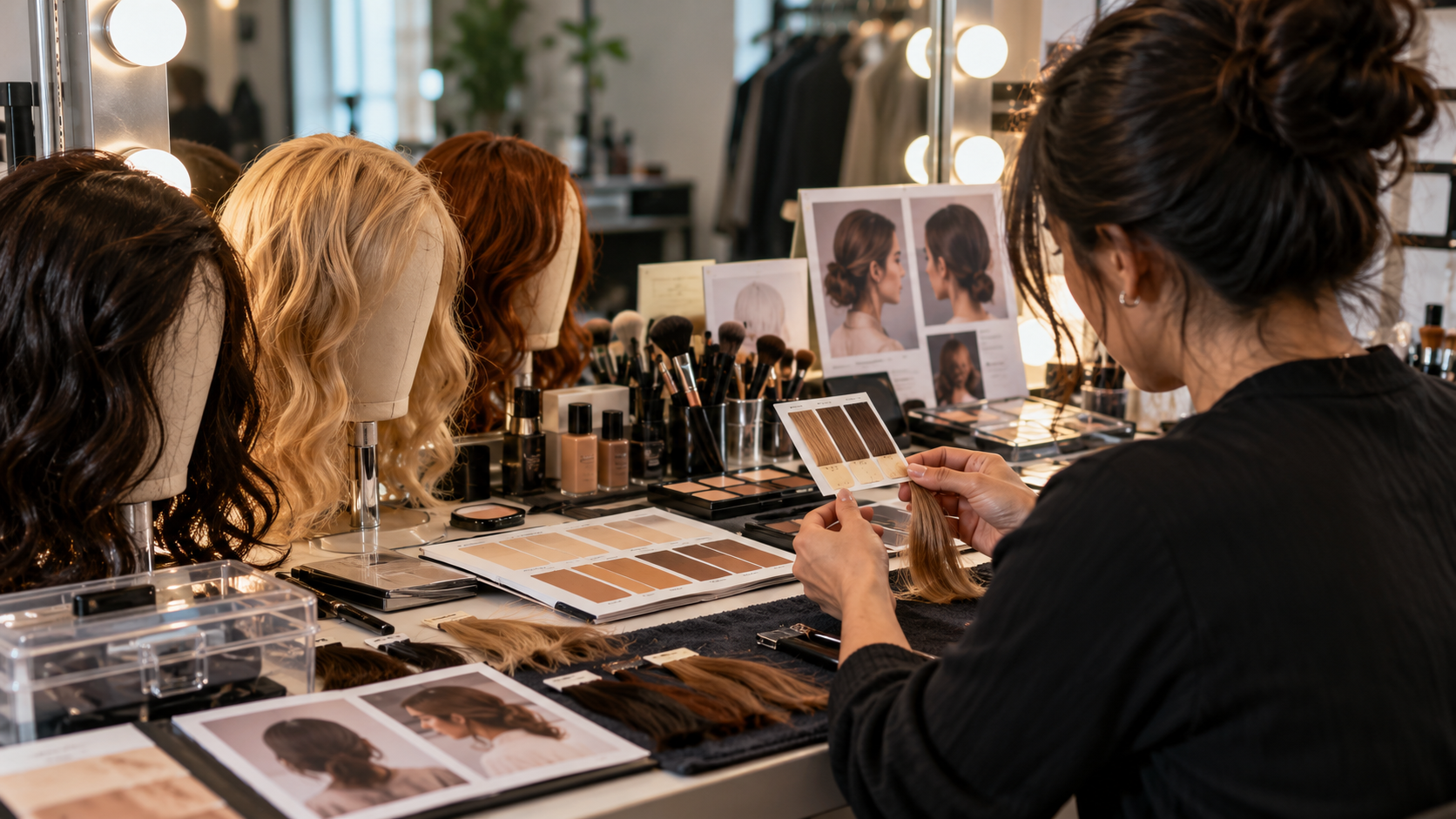
Hair and makeup design turns story, character, period, performance, and camera requirements into repeatable on-screen appearances.
Automated dialogue replacement records new speech after filming so editors can repair, clarify, or change dialogue in synchronization with picture.
Film deliverables are the technical, editorial, legal, and promotional materials a producer must supply so a finished title can be distributed.
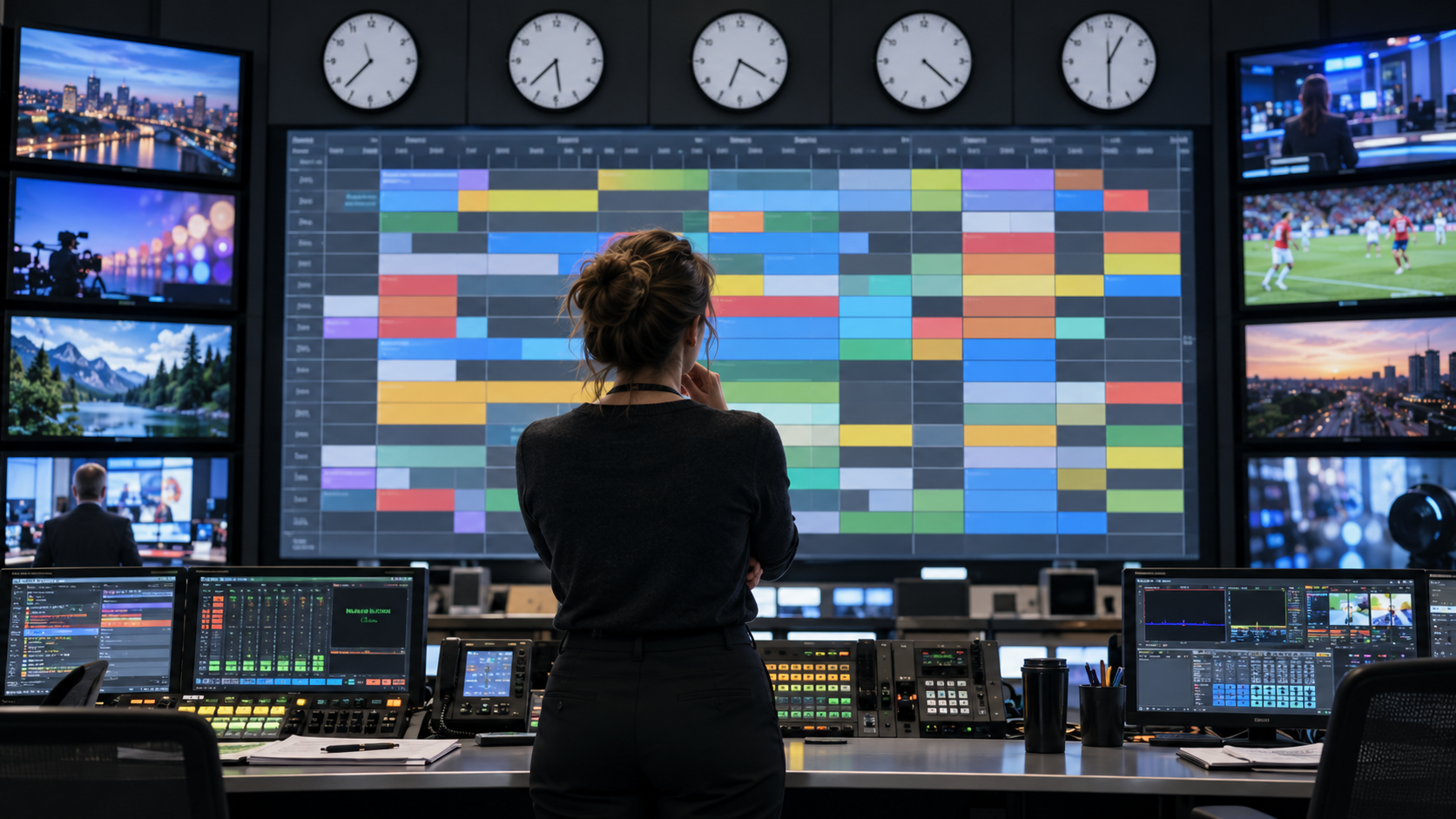
Broadcast scheduling arranges programs, breaks, promotions, and local obligations into a timed service that viewers and advertisers can reliably find.
A television time slot is a recurring position in the schedule whose audience patterns, competition, and neighboring programs can influence performance.
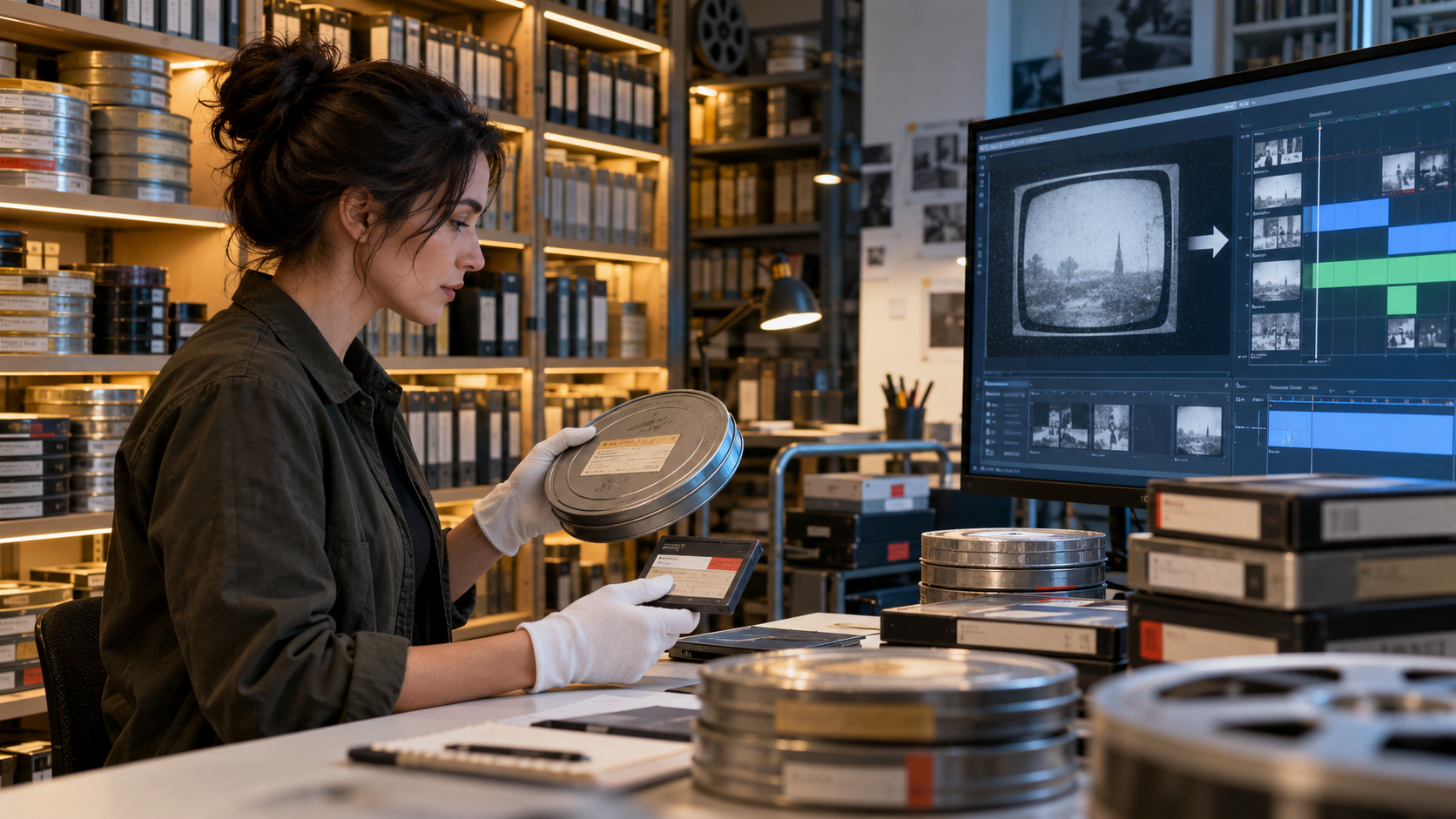
A rerun is a later transmission of previously aired television, used to serve audiences, schedules, contracts, and the continuing value of a program library.
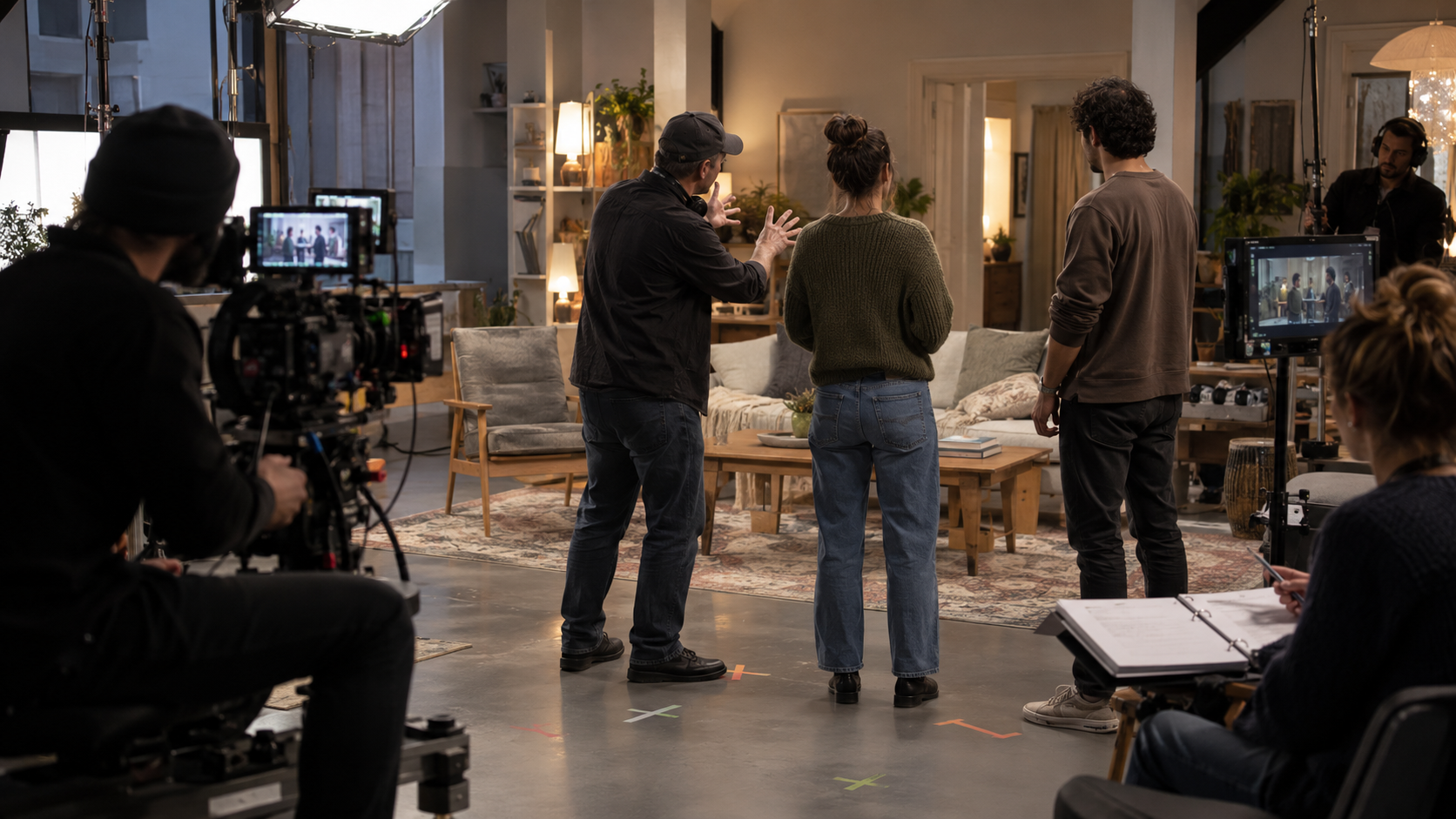
Episodic directors interpret one episode through performance and visual storytelling while preserving the established identity and production system of a series.
Television promos are short editorial marketing pieces that use selected images, sound, graphics, and scheduling information to invite future viewing.
A television cue sheet is the production’s official log of every piece of music used, who controls it, how it appears, and for how long.
Tour booking connects an artist with promoters and venues, turning possible dates into a workable route with agreed commercial and production terms.