Pop - This Explainer

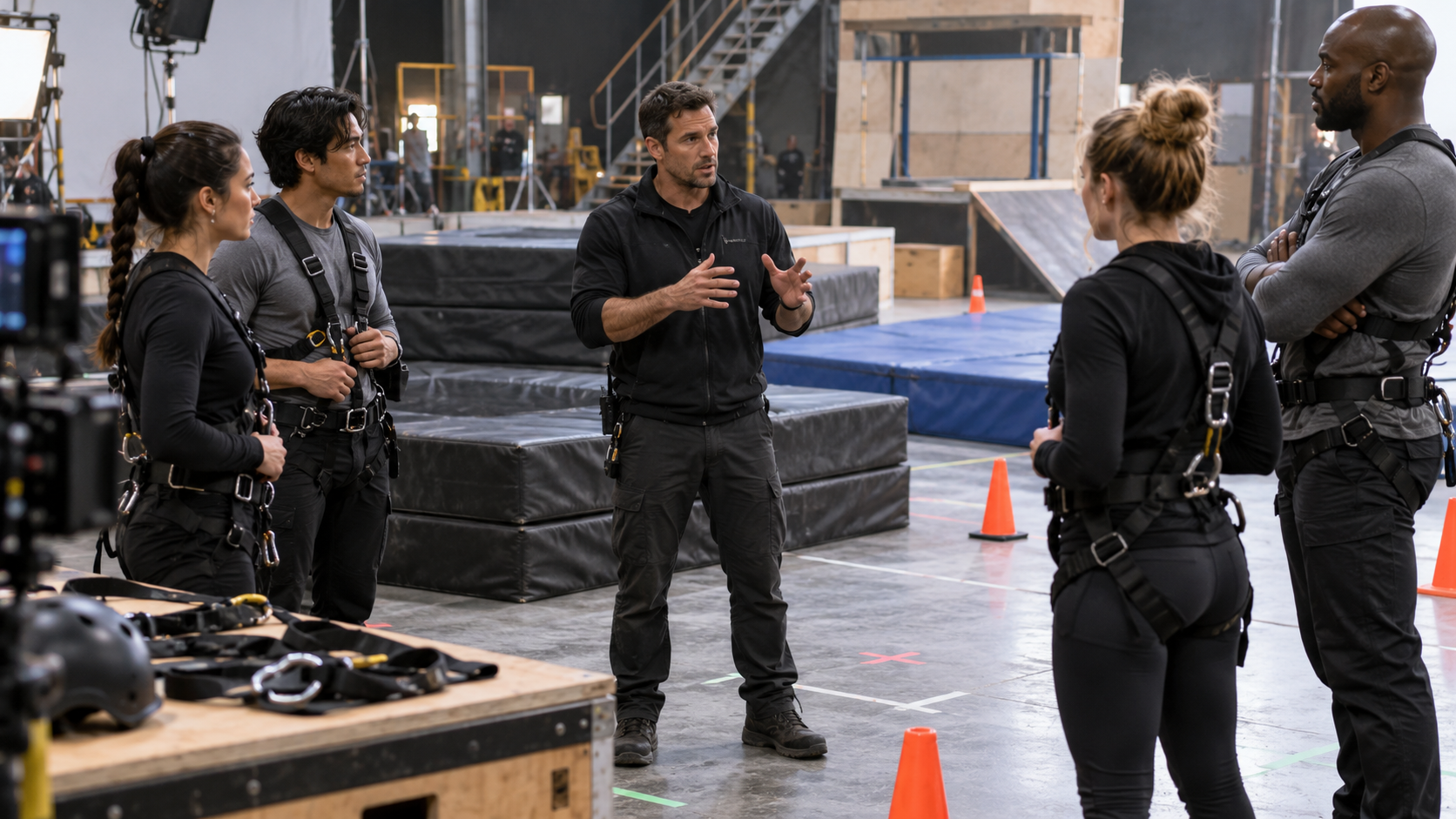
Stunt Coordinators

Stunt coordinators plan and supervise action that requires specialized performance or creates unusual risk. They translate a story beat into a repeatable method, select appropriately trained stunt performers, evaluate equipment and locations, coordinate departments, and advocate for the safety of everyone near the activity.


Pop - This Explainer

Test Screenings

A test screening presents an unfinished or near-finished film to a selected audience so filmmakers can observe reactions and collect feedback. It can reveal confusion, pacing problems, emotional peaks, character response, or marketing signals that are hard to see inside repeated private viewings.

Pop - This Explainer

Music Mastering

Music mastering is the final specialist stage that prepares approved mixes for release. A mastering engineer evaluates tonal balance, dynamics, level, fades, spacing, technical defects, format requirements, and consistency across a single or album while preserving the musical choices established in mixing.

Pop - This Explainer

Music Arrangers

Music arrangers adapt an existing composition for a particular performer, ensemble, medium, or style. They may change instrumentation, harmony, rhythm, tempo, key, form, introductions, endings, accompaniment, vocal treatment, or genre while preserving enough of the underlying work to remain an arrangement.

Pop - This Explainer

Orchestrators

Orchestrators assign the voices of an existing composition or detailed sketch to instruments and sections. They decide register, voicing, doublings, articulation, dynamics, balance, texture, and practical notation so the composer’s musical structure can be performed by the intended ensemble.

Pop - This Explainer

Vinyl Pressing Plants

A vinyl pressing plant manufactures physical records from approved audio and packaging components. Its chain can include lacquer or direct-metal mastering, electroplating, stamper preparation, label printing, vinyl compounding, pressing, trimming, cooling, inspection, packing, and coordination with outside suppliers.

Pop - This Explainer

Album Sequencing

Album sequencing is the creative and practical process of choosing track order, transitions, gaps, sides, and sometimes alternate versions for a release. It shapes how individual recordings accumulate meaning, how energy rises and falls, and how listeners encounter the beginning, middle, and ending.

Pop - This Explainer

Liner Notes

Liner notes are the written material accompanying a recording, traditionally printed on sleeves or booklets and now also delivered digitally. They may provide essays, track commentary, session history, biographies, lyrics, credits, acknowledgments, source details, or technical and archival context.

Pop - This Explainer

Developmental Editing

Developmental editing addresses the large-scale shape and purpose of a manuscript. Depending on genre, it may examine premise, audience, organization, argument, pacing, character, point of view, missing evidence, repetition, chapter progression, market expectations, or whether the material fulfills its stated promise.

Pop - This Explainer

Copyediting

Copyediting is the detailed review of a substantially complete text for spelling, grammar, punctuation, usage, consistency, clarity, cross-references, style, and selected factual or legal flags within an agreed level of service. It prepares the manuscript for design or publication without changing its purpose.

Pop - This Explainer

International Standard Book Numbers

An International Standard Book Number, or ISBN, is a 13-digit identifier assigned to a specific eligible publication from a particular publisher. It distinguishes products in the book supply chain and is structured from prefix, registration group, registrant, publication, and check-digit elements.

Pop - This Explainer

Publishing Imprints

A publishing imprint is a trade name under which a publisher issues a defined group of books. It may signal genre, audience, editorial mission, prestige, format, or historical identity while the legal company, contracts, distribution, and shared services sit elsewhere in a larger organization.