Pop - This Explainer

Visual Effects Supervisors

A visual effects supervisor leads the creative and technical strategy for visual effects, serving as the main bridge among the director, producers, production crew, and VFX teams. The supervisor is responsible for how required shots move through planning, photography, post-production, and approval.

Pop - This Explainer

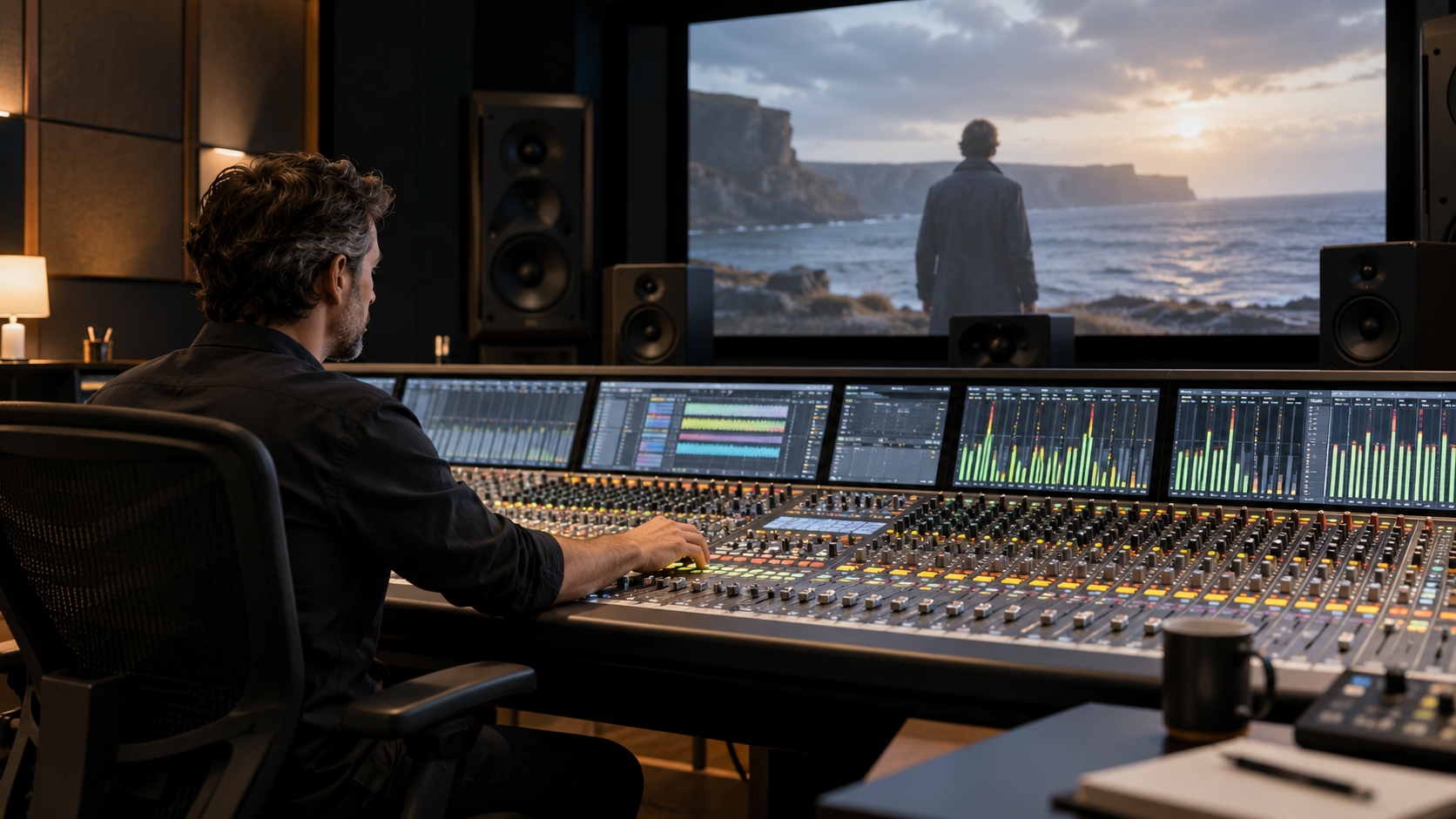
Re-Recording Mixers

A re-recording or dubbing mixer creates the final screen soundtrack by balancing and processing edited dialogue, ADR, sound effects, Foley, ambience, and music. The result must support story while meeting the technical requirements of cinemas, broadcasters, and platforms.

Pop - This Explainer

Sound Designers

A sound designer develops the distinctive sonic language of a film, series, game, or performance. The work can include researching, recording, synthesizing, editing, layering, processing, and organizing sounds for environments, objects, creatures, technology, transitions, and abstract ideas.

Pop - This Explainer

Film Archivists

A film archivist cares for moving-image and related sound collections across physical and digital formats. The work includes appraisal, identification, cataloging, conservation, storage, duplication, digitization, restoration support, rights research, and access planning.

Pop - This Explainer

Unit Publicists

A unit publicist manages publicity activity during principal photography, documenting the production and coordinating approved access for later marketing and press. The work can include production notes, interviews, electronic press-kit material, stills coordination, visitor handling, and information control.

Pop - This Explainer

Screen Credit Arbitration

Screen credit arbitration is a formal process used under writers’ guild rules when proposed film or television writing credits are disputed or require review. Neutral experienced writers compare literary material and apply defined standards to determine which names and credit forms appear on screen.

Pop - This Explainer

Background Casting

Background casting recruits and books performers who appear as the surrounding population in film and television scenes. The process translates creative needs for place, period, action, continuity, and scale into lawful, safe, and organized calls for real people.

Pop - This Explainer

Film Rights Clearances

Film rights clearance is the process of identifying protected or controlled material in a production and establishing a lawful basis to record, adapt, reproduce, perform, display, distribute, advertise, and exploit it in the intended territories and media.

Pop - This Explainer

Multi-Camera Television Directing

A multi-camera television director shapes a program using several cameras recording or transmitting at the same time. The director plans coverage, performance, movement, timing, and screen grammar while calling shots and coordinating technical departments from a gallery or control room.

Pop - This Explainer

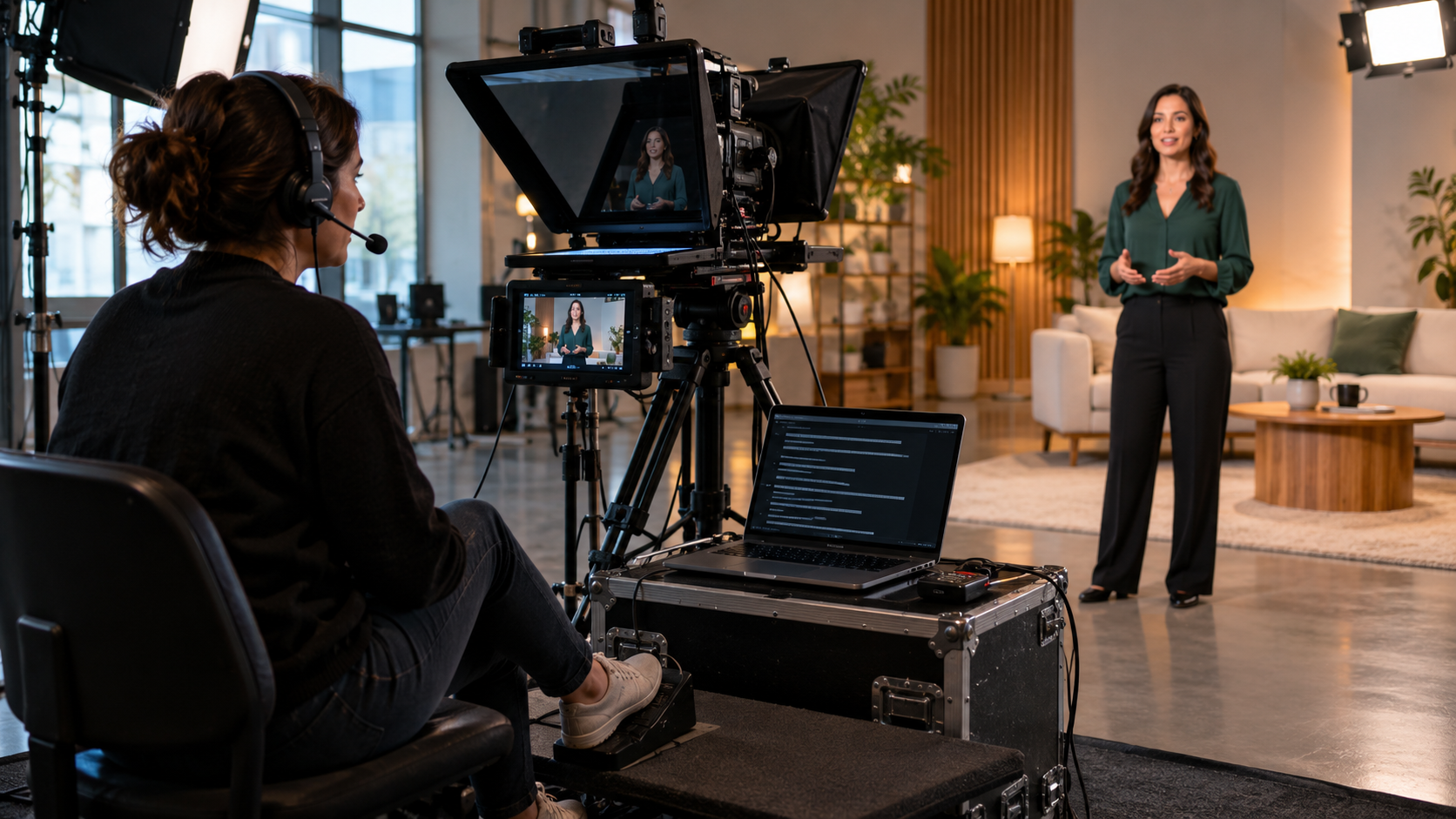
Teleprompters

A teleprompter, autocue, or prompting system displays scripted words so a presenter can read while looking near the camera lens or audience. The practical system includes prepared text, display hardware, mirrored glass or confidence monitors, control software, and a trained operator.

Pop - This Explainer

Broadcast Standards Conversion

Broadcast standards conversion transforms audio-visual material from one technical television standard or delivery specification to another. It may change frame rate, scanning structure, raster size, aspect ratio, color encoding, dynamic range, audio layout, timecode, captions, and metadata.

Pop - This Explainer

Studio Audience Warm-Up

Studio audience warm-up is the hosted preparation and guidance given to guests before and during a television or live-media recording. A warm-up performer explains the process, builds rapport, fills technical pauses, introduces participation cues, and helps sustain appropriate energy.