How Does Data Compression Work?
This explainer shows how compression represents data with fewer bits and why lossless and lossy methods make different tradeoffs.

Don't Just Read it – Explore It
This explainer shows how compression represents data with fewer bits and why lossless and lossy methods make different tradeoffs.
This explainer shows how an operating system kernel coordinates hardware, memory, processes, drivers, and system calls while isolating applications.
This explainer shows how software containers package applications, share a host kernel, isolate processes, and support repeatable deployment.
This explainer shows how digital certificates connect public keys to identities and how browsers validate trust, names, dates, and signatures.
This explainer shows how network firewalls enforce traffic rules, track connections, segment systems, and support—but do not replace—other defenses.
This explainer shows how cloud computing pools infrastructure for on-demand access and how SaaS, PaaS, and IaaS divide responsibility.
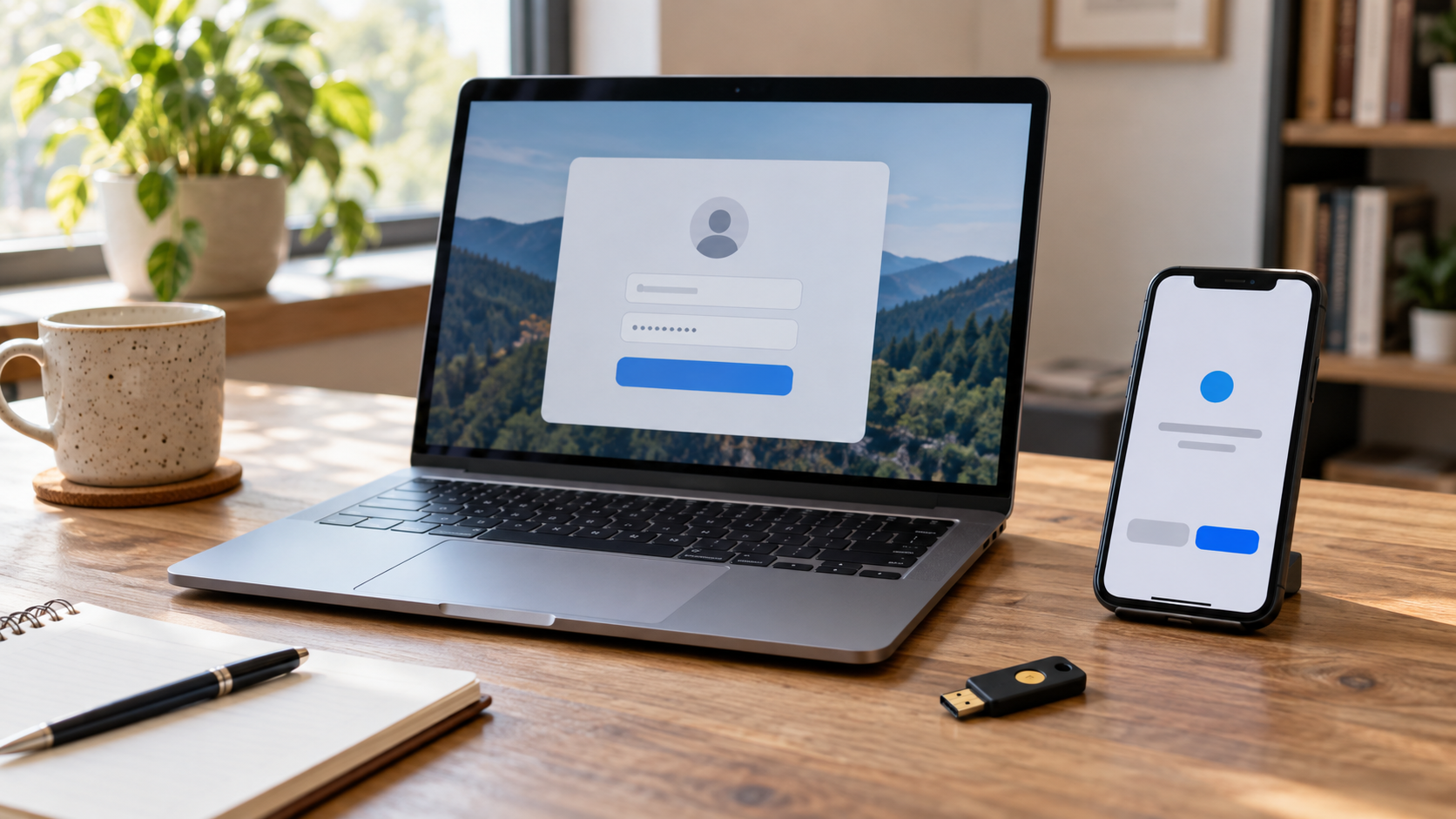
This explainer shows how two-factor authentication combines different identity proofs and why some second factors resist attacks better than others.
This explainer shows how password managers create and protect unique credentials, synchronize vaults, and reduce password reuse.
This explainer shows what zero-day vulnerabilities are, how they become exploits, and how defenders reduce exposure before patches arrive.
This explainer shows how Bluetooth devices discover each other, verify capabilities, create keys, and reconnect securely after pairing.
This explainer shows how a virtual private network creates a protected connection, what it can hide, and where its privacy limits remain.
This explainer shows how public and private keys support encryption, digital signatures, and secure communication between strangers.