

On This Day in AI: January 11, 2024
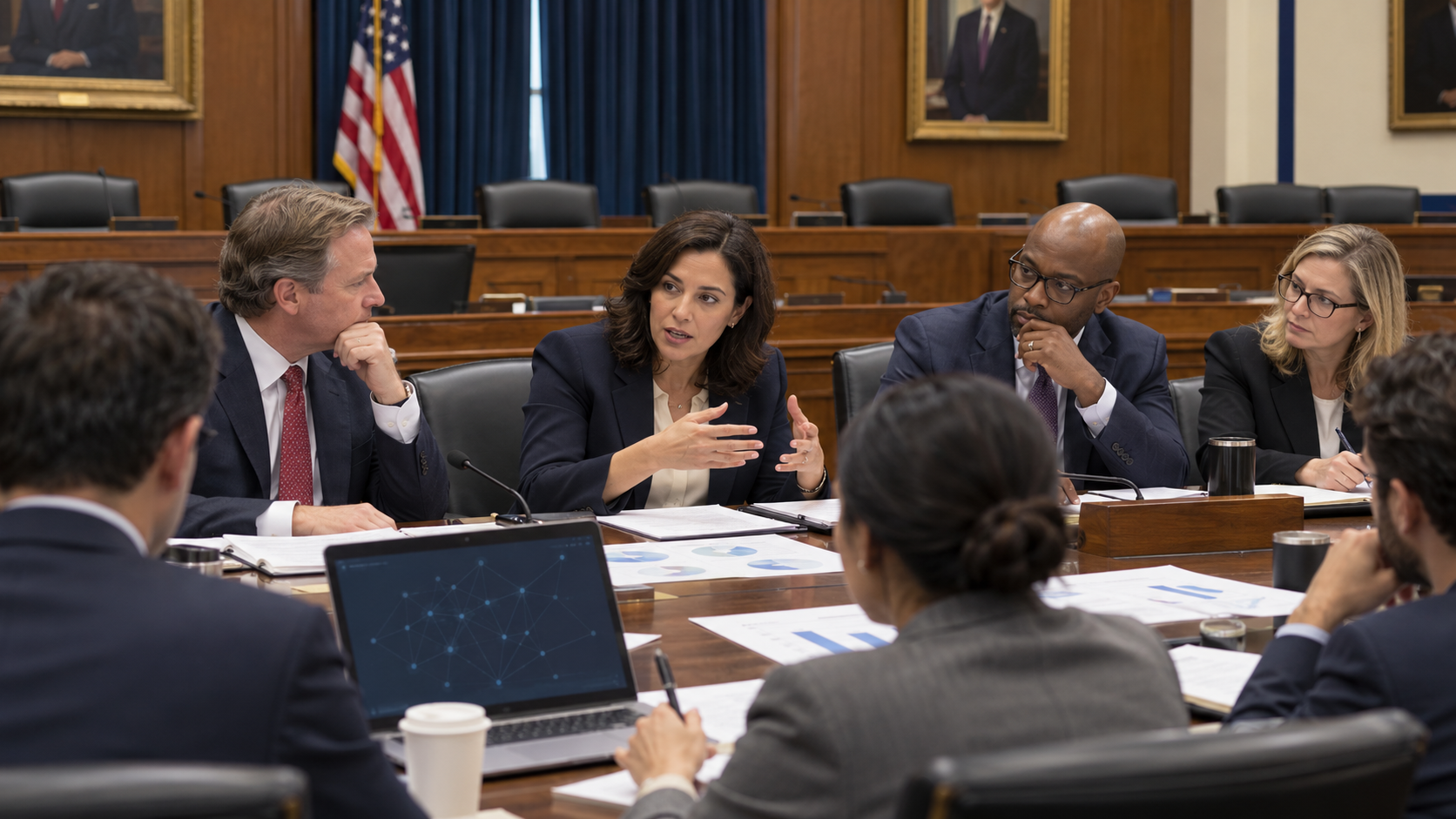
On January 11, 2024, in Washington, D.C., leaders of the U.S. House Committee on Financial Services announced a bipartisan Working Group on Artificial Intelligence. Committee Chairman Patrick McHenry and Ranking Member Maxine Waters created the twelve-member group, with Representatives French Hill and Stephen Lynch serving as its Republican and Democratic leads. Its assignment was to examine how AI was changing financial services and housing, including fraud detection, risk analysis, lending, regulatory supervision, compliance and customer service. The group also planned to study effects on workers and whether existing law gave regulators adequate tools to address fast-changing uses of automated decision systems.
The announcement came as generative AI drew wider public attention and financial institutions expanded long-standing uses of machine learning. Banks and insurers already applied automated systems to identify suspicious transactions, assess risk and personalize services. Those uses could improve speed and access, but they also raised concerns about privacy, opaque decisions and the possibility that models trained on historical data might reproduce discrimination in credit or housing. The committee had operated AI task forces in the two previous Congresses, so the new working group continued an existing line of oversight rather than starting from nothing. It also followed an October 2023 presidential executive order on safe and trustworthy AI and a federal warning that rapid adoption could create new vulnerabilities for the financial system.
The January 11 action created a study and oversight body; it did not enact a law or adopt a binding national AI standard. During the following months, the group held six roundtables with regulators, industry representatives and other experts. A bipartisan staff report released in July recommended enforcing existing consumer-protection and anti-discrimination laws, examining regulatory gaps, reviewing data-privacy rules and monitoring effects on the workforce. The report also emphasized that regulators needed technical capacity to supervise new products rather than assuming existing expertise would automatically transfer to advanced models. That need for institutional expertise became a recurring theme as agencies evaluated models, vendor claims, training data, audit methods and rapidly changing technical standards. The sequence illustrated both the value and limitation of congressional working groups: they can build a shared factual record and identify areas for legislation, but recommendations still require broader political agreement. The group’s formation remains a notable AI-policy milestone because it placed algorithmic systems inside the routine oversight of banking and housing, where automated decisions can directly affect loans, insurance, fraud prevention and household opportunity.
The group included six Republicans and six Democrats from the House Financial Services Committee. Chairman Patrick McHenry and Ranking Member Maxine Waters announced it, with French Hill and Stephen Lynch as the principal leads.
Its bipartisan structure was intended to build continuity across disagreements about innovation and regulation. The members focused on the committee's established jurisdiction over banking, housing, insurance and financial markets.
Financial firms were already using AI for fraud detection, risk analysis, compliance and customer service. Those systems could lower costs and detect patterns that manual reviews might miss.
The same tools could produce opaque outcomes, expose private data or repeat discrimination embedded in historical records. Lending and housing decisions made the consequences especially important for consumer protection and economic opportunity.
The working group later held six roundtables with public- and private-sector experts. Its July 2024 staff report summarized AI use cases, risks and barriers across financial services and housing.
The report urged attention to existing laws, possible regulatory gaps, data privacy, supervisory capacity and workforce effects. Those recommendations informed oversight but did not themselves create binding rules.
Explore more of "On This Day ..."
Discover more events from the same date across news, politics, technology, sports, and other fields. Each link highlights significant moments that shaped history on different fronts.