

On This Day in AI: January 19, 2022
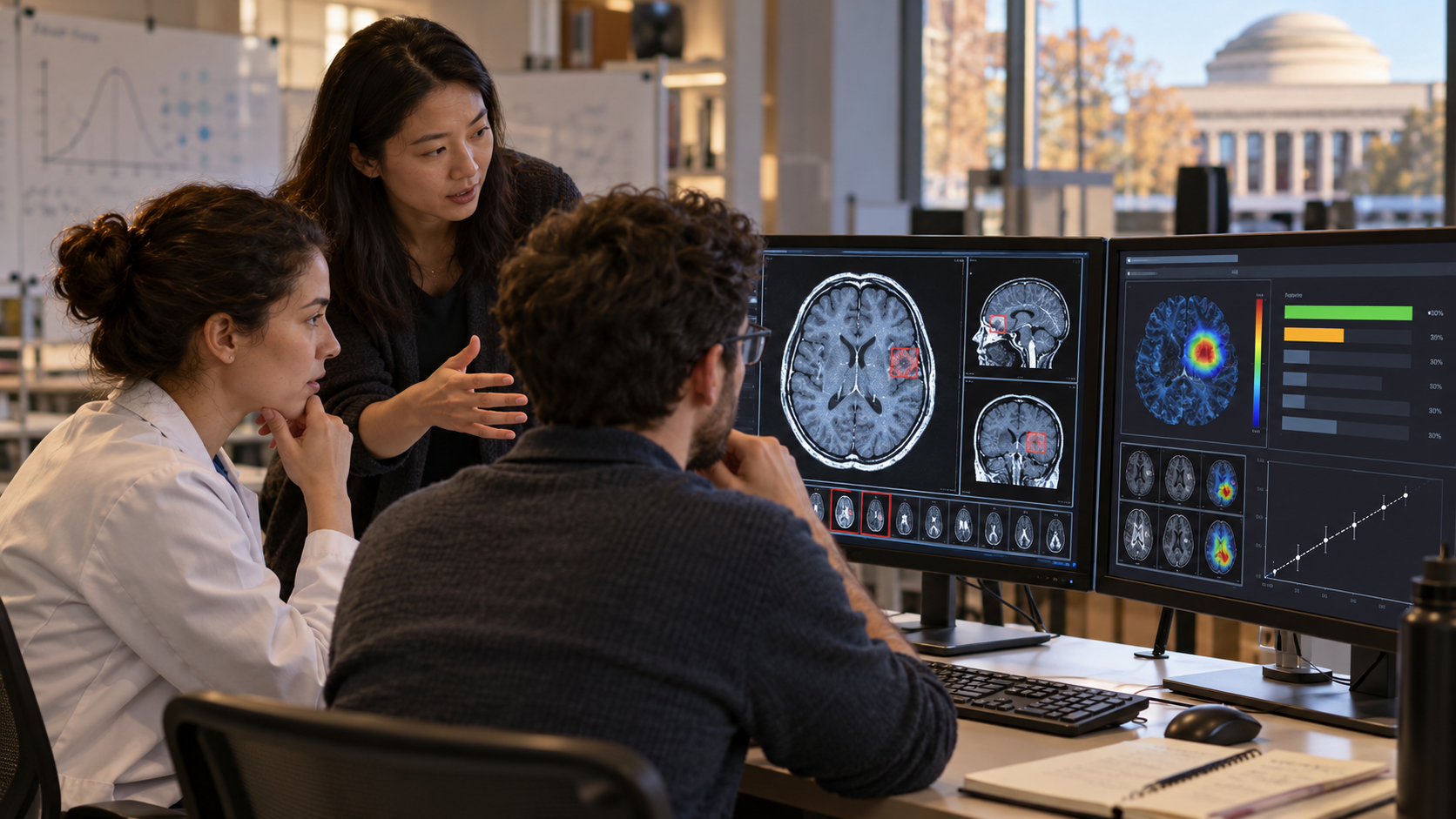
On January 19, 2022, the Massachusetts Institute of Technology described research designed to help people decide when to rely on an artificial intelligence teammate. The work, led by researchers at MIT’s Computer Science and Artificial Intelligence Laboratory with collaborators, tested a training method that exposed users to examples of an AI system’s strengths and weaknesses before they worked with it. Participants learned rules describing situations in which the model was likely to be correct or wrong. In experiments involving tasks such as answering questions and identifying images, the approach improved how accurately some users judged whether to accept the model’s recommendation. The project addressed a problem that raw accuracy scores cannot solve. A system may perform well on average yet fail predictably on particular kinds of cases, while a person may be better in exactly those situations. If users trust every suggestion, automation bias can turn model errors into human decisions. If they distrust the system completely, a useful tool adds no value. The researchers therefore focused on calibration: aligning a person’s confidence with the AI’s actual reliability in the current context. Their teaching process generated short lessons from examples and then tested whether users could recognize the boundaries of the model’s competence. The January 19 report did not show that a brief tutorial could make every human-AI partnership safe. Benefits varied by task, and rules that were easy to describe were not always easy to remember or apply. Real workplaces also involve changing data, time pressure, institutional incentives, and consequences far more serious than a controlled experiment. The authors emphasized that better training had to accompany transparent interfaces and careful system evaluation. Even with those limits, the research shifted attention from the familiar question of whether people trusted AI to the more useful question of whether they trusted it appropriately. That distinction influenced later work on uncertainty displays, model explanations, decision support, and human oversight. As AI systems entered medicine, finance, public services, and everyday office tools, calibrated reliance became a central safety goal. The lasting lesson was that a high-performing model is not automatically a high-performing team: people need evidence about when the system deserves confidence and clear permission to override it when their own knowledge is stronger. For organizations, calibration also depends on incentives. A worker may follow a model to save time, avoid blame, or comply with management even when the interface displays uncertainty. Effective human oversight therefore requires training, authority, and enough time to question an output. The MIT work helped broaden the design problem from explaining a prediction on screen to creating a workplace in which people can use those explanations and are supported when they disagree with the automated recommendation.Calibrated trust means accepting AI advice when the model is likely to be right and withholding trust when its known weaknesses are relevant.
Average accuracy cannot provide that judgment by itself because performance often changes across topics, data types, and unusual cases.
Participants studied examples and short rules describing conditions in which a model tended to succeed or fail before completing tasks with its recommendations.
The controlled experiments showed improvement in some settings, but they did not reproduce every pressure or consequence found in a real workplace.
The study encouraged designers to communicate model boundaries, not merely display confidence scores or celebrate average accuracy.
Its central lesson endures: useful oversight requires people to recognize when their own knowledge should replace an automated recommendation.
Explore more of "On This Day ..."
Discover more events from the same date across news, politics, technology, sports, and other fields. Each link highlights significant moments that shaped history on different fronts.