

On This Day in AI: January 25, 2024
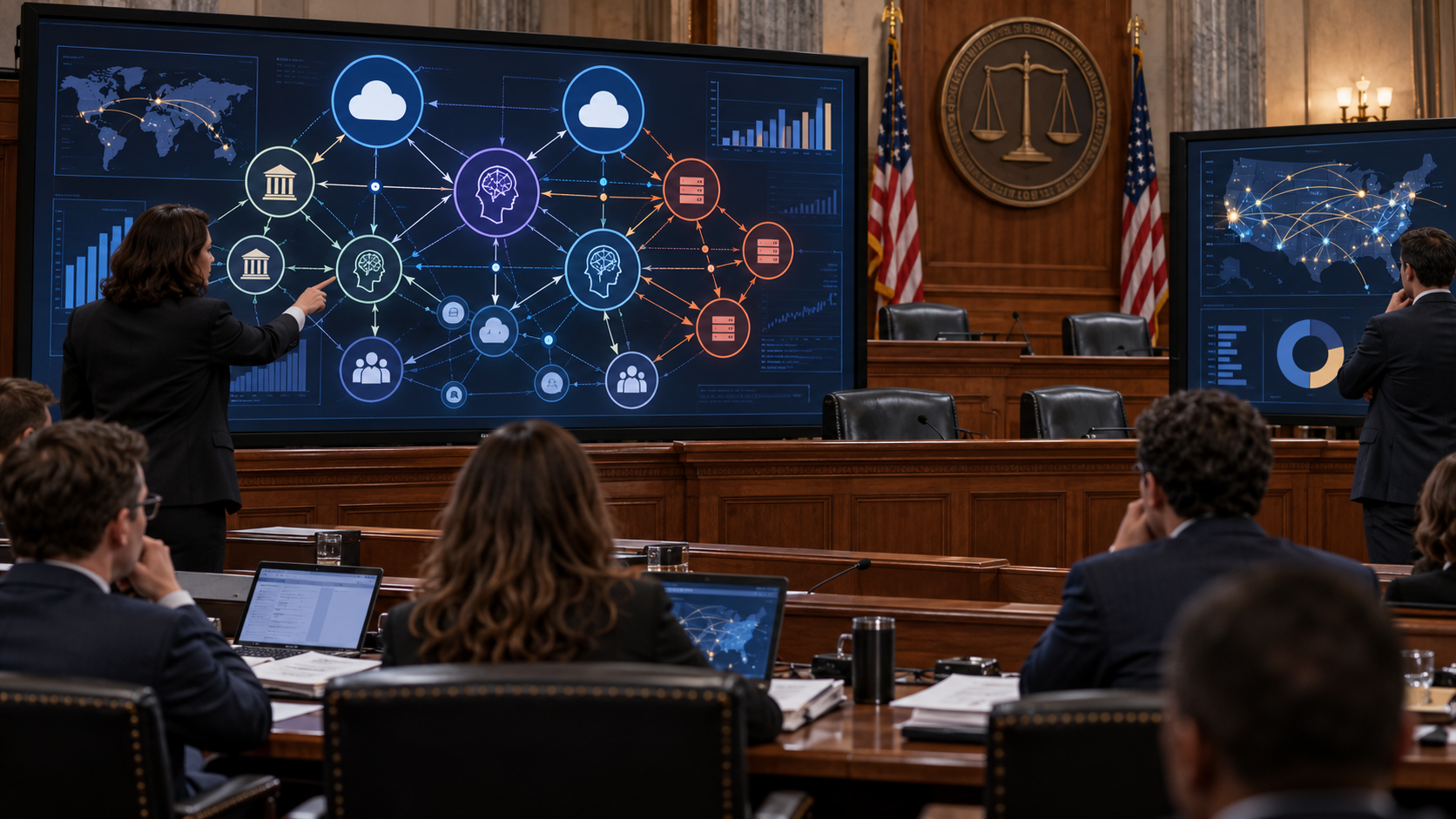
On January 25, 2024, the United States Federal Trade Commission opened an inquiry into investments and partnerships linking major cloud providers with leading generative artificial intelligence developers. The agency issued compulsory information requests to Alphabet, Amazon, Anthropic, Microsoft, and OpenAI under its authority to study business practices. It sought contracts, strategic rationales, market analyses, and information about how the arrangements affected product releases, computing resources, talent, and competition. Chair Lina Khan said the inquiry would help regulators understand whether partnerships pursued by dominant technology companies risked distorting innovation and undermining fair competition.
The deals were not simple acquisitions. Cloud companies invested billions of dollars in model developers, supplied specialized computing capacity, and became preferred or exclusive infrastructure partners. In return, they gained commercial access to powerful models and new demand for their cloud services. That structure could help a young laboratory afford training and global distribution without being purchased outright. It could also make the laboratory dependent on a platform that controlled scarce chips, customer relationships, and essential technical services. Traditional merger review did not always capture these connections, making a market study a useful way to gather facts before deciding whether enforcement or new rules were needed.
The January 25 action was an inquiry, not a finding that any company had violated competition law. The FTC requested information and later published a staff report examining how the partnerships could affect control, access to key inputs, switching, exclusivity, and sensitive information. Companies continued operating while regulators in the United States, United Kingdom, and European Union reviewed related arrangements. The study’s broader significance was to make AI infrastructure and model partnerships a competition-policy issue before the market had fully settled. It recognized that control can arise through investment rights, cloud credits, technical dependencies, and distribution agreements even when two businesses remain legally separate. As generative AI became a foundation for other products, the question was no longer only which model performed best. Regulators also had to ask who controlled compute, which developers could reach customers, and whether alliances closed paths that future competitors would need.
The study also recognized that model developers and cloud platforms could be both partners and potential competitors. A cloud company might host several laboratories while promoting its own models, creating incentives around pricing, priority, and access to technical information. Those relationships were not automatically harmful, but they required facts that public announcements rarely supplied. By using compulsory orders, the FTC sought evidence about internal terms and market effects rather than relying only on the companies’ descriptions.
The FTC sought information from Alphabet, Amazon, Anthropic, Microsoft, and OpenAI about investments, cloud commitments, product access, and strategic decision-making.
The orders were part of a market study and did not by themselves accuse any recipient of breaking the law.
Cloud partners could provide the chips, capital, and distribution that AI laboratories needed, accelerating products without a full acquisition.
The same dependencies could influence exclusivity, switching, access to customers, and who controlled scarce computing resources.
The inquiry showed regulators looking beyond formal mergers to examine investment rights, technical dependencies, cloud credits, and information sharing.
That approach became increasingly important as foundational AI services were embedded into products across the digital economy.
Explore more of "On This Day ..."
Discover more events from the same date across news, politics, technology, sports, and other fields. Each link highlights significant moments that shaped history on different fronts.