

February 7, 2023: Microsoft Unveils AI Bing
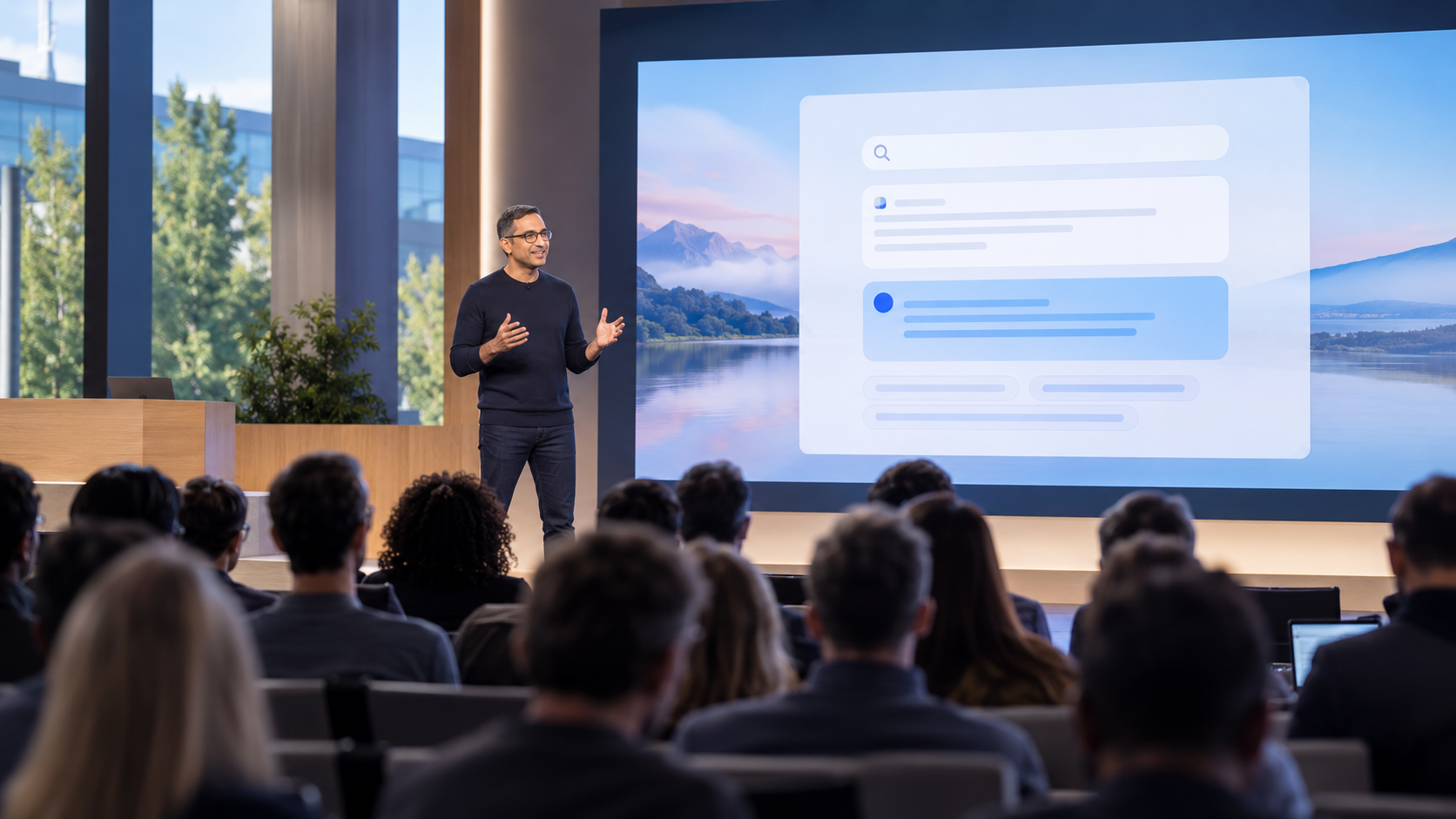
On February 7, 2023, Microsoft unveiled a redesigned Bing search engine and Edge browser built around conversational artificial intelligence. The experience combined traditional search results with a chat interface that could answer questions, summarize information, generate content, and refine a user’s request through follow-up conversation. Search had long been dominated by ranked links and keyword queries, while large language models showed a more natural way to ask for information. Microsoft had invested heavily in OpenAI and moved quickly to connect advanced generative models with a product used to navigate the live web. The announcement mattered because it converted a fast-moving technical development into something that users, institutions, or researchers could evaluate in practice. It also supplied a clear date on which expectations about artificial intelligence changed. The substance of Microsoft’s unveiling of the new AI-powered Bing and Edge was as important as the headline. The company described four elements: improved search, complete answers assembled from multiple sources, an interactive chat mode, and tools for generating material such as emails or travel plans. A new model and a system Microsoft called Prometheus were intended to make results timely, relevant, and safer. That practical design reveals what the people behind the project believed was necessary at the time. AI milestones are rarely a single breakthrough in isolation; they combine research choices, product decisions, infrastructure, testing, and a strategy for reaching the people expected to use the system. The immediate consequences extended beyond the organization making the announcement. The launch put generative AI at the center of competition in search and forced the industry to confront new questions about citations, publisher traffic, factual accuracy, and responsible conversation. Early testing also revealed unpredictable behavior, leading Microsoft to adjust limits and safeguards as usage expanded. The moment also invited scrutiny. New capabilities create new dependencies, and their usefulness has to be weighed against reliability, safety, cost, access, and the interests of people whose work or information may be affected. That tension is part of why the event remains worth revisiting. In retrospect, The event foreshadowed Microsoft’s broader Copilot strategy across Windows, Office, development tools, and enterprise software. It demonstrated that large language models were not merely standalone chatbots; they could become an interface layer for finding information and operating familiar digital products. Looking back from today’s rapidly changing AI landscape, the event is best understood as one step in a larger transition from specialized machine-learning demonstrations to systems embedded in ordinary products, institutions, and creative work. Its enduring lesson is that technical progress becomes historically significant when it changes what people can do, what organizations must govern, and what society expects next.Microsoft unveiled a redesigned Bing search engine and Edge browser built around conversational artificial intelligence. The experience combined traditional search results with a chat interface that could answer questions, summarize information, generate content, and refine a user's request through follow-up conversation.
The company described four elements: improved search, complete answers assembled from multiple sources, an interactive chat mode, and tools for generating material such as emails or travel plans. A new model and a system Microsoft called Prometheus were intended to make results timely, relevant, and safer.
The launch put generative AI at the center of competition in search and forced the industry to confront new questions about citations, publisher traffic, factual accuracy, and responsible conversation. Early testing also revealed unpredictable behavior, leading Microsoft to adjust limits and safeguards as usage expanded.
The event connected a concrete release or policy decision with the wider development of artificial intelligence.
The event foreshadowed Microsoft's broader Copilot strategy across Windows, Office, development tools, and enterprise software. It demonstrated that large language models were not merely standalone chatbots; they could become an interface layer for finding information and operating familiar digital products.
Its influence can be traced through later products, research, rules, or industry practice.
Explore more of "On This Day ..."
Discover more events from the same date across news, politics, technology, sports, and other fields. Each link highlights significant moments that shaped history on different fronts.