

On This Day in AI: July 21, 2023
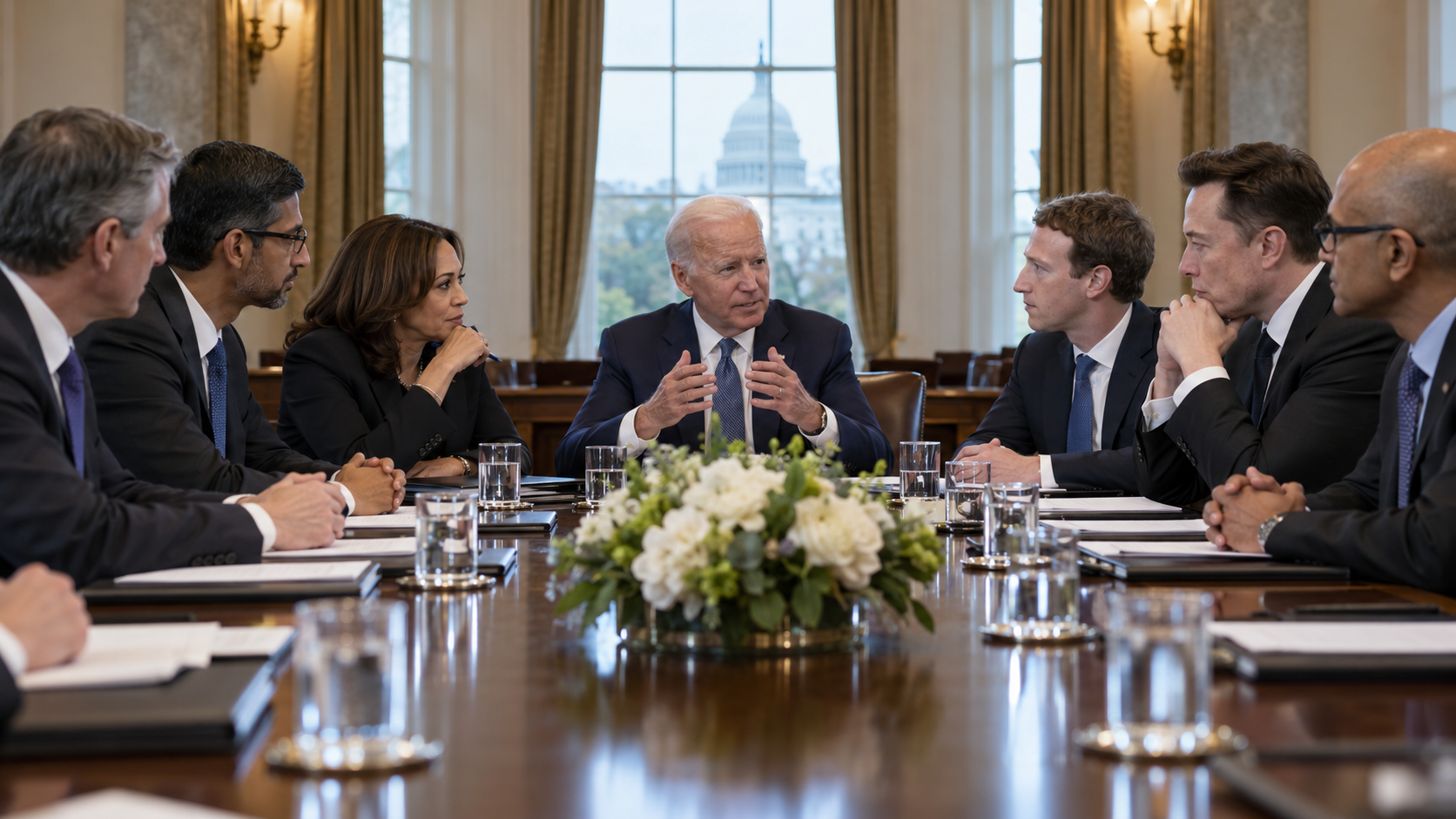
On July 21, 2023, The White House announced voluntary AI commitments from seven major technology companies, including Amazon, Anthropic, Google, Inflection, Meta, Microsoft, and OpenAI. The pledges covered safety testing, security, public reporting, content provenance, and research on social risks. Generative AI was spreading faster than legislation, and United States policymakers wanted near-term safeguards without waiting for Congress. Companies also faced pressure to demonstrate that powerful models would be evaluated before release and protected from theft or misuse. The date matters because it turned a fast-moving technical, policy, or commercial development into a visible milestone that people and institutions could evaluate.
The substance of the White House voluntary commitments from leading AI companies was as important as the headline. The commitments called for internal and external red-team testing, information sharing, cybersecurity investment, vulnerability reporting, technical ways to identify AI-generated content, and public disclosure of capabilities and limitations. They were designed to apply until comparable regulations took effect. Those choices reveal what the people behind the milestone believed was necessary at the time. AI history rarely advances through one breakthrough alone; research, infrastructure, product design, governance, and access all shape what a system can become.
The immediate consequences reached beyond the organization at the center of the event. The agreement created a baseline for frontier-model governance while revealing the limits of self-enforcement. It gave policymakers a vocabulary for subsequent executive action and international negotiations, but companies retained substantial discretion over implementation and disclosure. The moment also invited scrutiny, because new capabilities create new dependencies. Reliability, safety, cost, privacy, and human control determine whether an impressive demonstration becomes a trustworthy part of everyday life. Those practical limits are essential to understanding both the achievement and the response it received.
In retrospect, Voluntary pledges became one step in a wider movement toward formal testing regimes, transparency reports, provenance standards, and national AI rules. The July commitments captured a moment when government tried to shape industry behavior before binding law caught up. Looking back from today’s rapidly changing AI landscape, this event belongs to a larger transition from specialized machine-learning experiments to systems embedded in ordinary products, workplaces, institutions, and public decisions. Its enduring lesson is that technical progress becomes historically significant when it changes what people can do and what society expects next. It also reminds us that every celebrated capability is shaped by the data, institutions, hardware, and human judgment surrounding it. The anniversary therefore records a turning point, not simply an announcement.
The White House announced voluntary AI commitments from seven major technology companies, including Amazon, Anthropic, Google, Inflection, Meta, Microsoft, and OpenAI. The pledges covered safety testing, security, public reporting, content provenance, and research on social risks.
The commitments called for internal and external red-team testing, information sharing, cybersecurity investment, vulnerability reporting, technical ways to identify AI-generated content, and public disclosure of capabilities and limitations. They were designed to apply until comparable regulations took effect.
The agreement created a baseline for frontier-model governance while revealing the limits of self-enforcement. It gave policymakers a vocabulary for subsequent executive action and international negotiations, but companies retained substantial discretion over implementation and disclosure.
The event connected a concrete technical, commercial, or policy decision with the wider development of artificial intelligence.
Voluntary pledges became one step in a wider movement toward formal testing regimes, transparency reports, provenance standards, and national AI rules. The July commitments captured a moment when government tried to shape industry behavior before binding law caught up.
Its influence can be traced through later products, research, governance, or industry practice.
Explore more of "On This Day ..."
Discover more events from the same date across news, politics, technology, sports, and other fields. Each link highlights significant moments that shaped history on different fronts.