

On This Day in AI: August 31, 2022
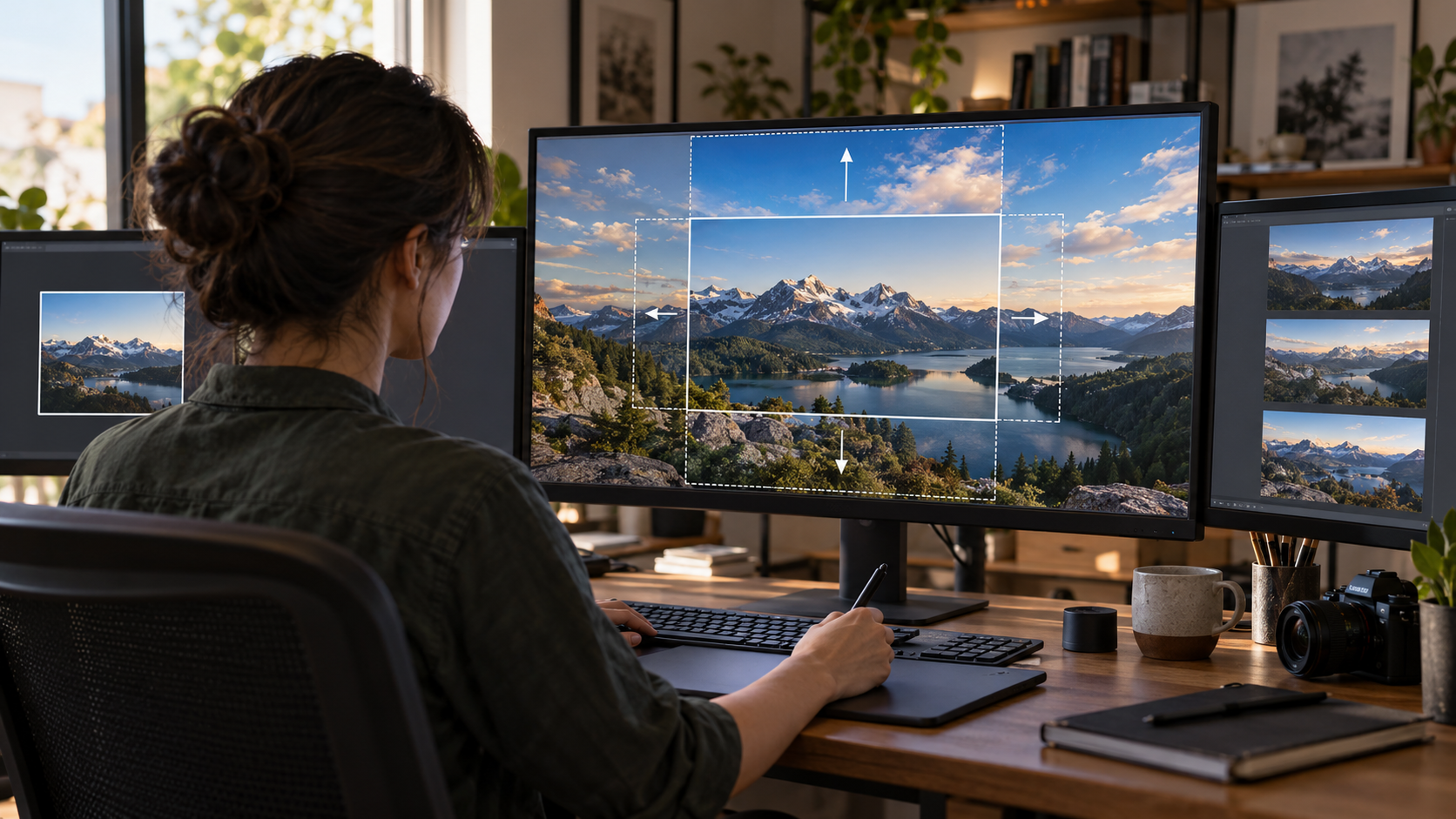
On August 31, 2022, OpenAI introduced Outpainting, a feature that extended an existing image beyond its original borders from a natural-language description. The system continued surrounding elements while accounting for lighting, reflections, textures, and visual context. DALL-E’s earlier editing tools could replace content inside a selected region, a technique known as inpainting. Outpainting reversed that direction by expanding the canvas and letting creators imagine what might exist outside the original frame. The date matters because it turned a fast-moving technical, policy, or commercial development into a visible milestone that people and institutions could evaluate.
The substance of OpenAI’s introduction of Outpainting for DALL-E was as important as the headline. Users could build images in new aspect ratios, combine multiple generations, and extend both uploaded and generated material. The tool demonstrated that diffusion-style systems could perform context-aware visual editing rather than only creating isolated square images from scratch. Those choices reveal what the people behind the milestone believed was necessary at the time. AI history rarely advances through one breakthrough alone; research, infrastructure, product design, governance, and access all shape what a system can become.
The immediate consequences reached beyond the organization at the center of the event. Outpainting made generative AI feel more like a collaborative editing medium. Artists and designers could iterate around an existing composition, but the technique also raised questions about attribution, copyrighted source material, and historical authenticity. The moment also invited scrutiny, because new capabilities create new dependencies. Reliability, safety, cost, privacy, and human control determine whether an impressive demonstration becomes a trustworthy part of everyday life. Those practical limits are essential to understanding both the achievement and the response it received.
In retrospect, Canvas expansion became a common feature across generative-image products. The launch helped establish an enduring workflow in which users move fluidly between prompting, editing, extending, and refining one visual artifact. That pattern remains central to creative AI tools. Looking back from today’s rapidly changing AI landscape, this event belongs to a larger transition from specialized machine-learning experiments to systems embedded in ordinary products, workplaces, institutions, and public decisions. Its enduring lesson is that technical progress becomes historically significant when it changes what people can do and what society expects next. It also reminds us that every celebrated capability is shaped by the data, institutions, hardware, and human judgment surrounding it. The anniversary therefore records a turning point, not simply an announcement. Its record also helps readers compare later advances with the original moment.
OpenAI introduced Outpainting, a feature that extended an existing image beyond its original borders from a natural-language description. The system continued surrounding elements while accounting for lighting, reflections, textures, and visual context.
Users could build images in new aspect ratios, combine multiple generations, and extend both uploaded and generated material. The tool demonstrated that diffusion-style systems could perform context-aware visual editing rather than only creating isolated square images from scratch.
Outpainting made generative AI feel more like a collaborative editing medium. Artists and designers could iterate around an existing composition, but the technique also raised questions about attribution, copyrighted source material, and historical authenticity.
The event connected a concrete technical, commercial, or policy decision with the wider development of artificial intelligence.
Canvas expansion became a common feature across generative-image products. The launch helped establish an enduring workflow in which users move fluidly between prompting, editing, extending, and refining one visual artifact. That pattern remains central to creative AI tools.
Its influence can be traced through later products, research, governance, or industry practice.
Explore more of "On This Day ..."
Discover more events from the same date across news, politics, technology, sports, and other fields. Each link highlights significant moments that shaped history on different fronts.