

On This Day in Business: February 21, 1907
On February 21, 1907, Congress granted a federal charter to the National Child Labor Committee. Reformers had organized the committee three years earlier after state and regional groups met in New York to coordinate action. The charter defined a broad mission: investigate child employment, publicize conditions, improve enforcement and support laws that protected education and physical development. At a time when children worked in mills, mines, factories, farms and street trades, national business networks often crossed the boundaries of inconsistent state regulation.
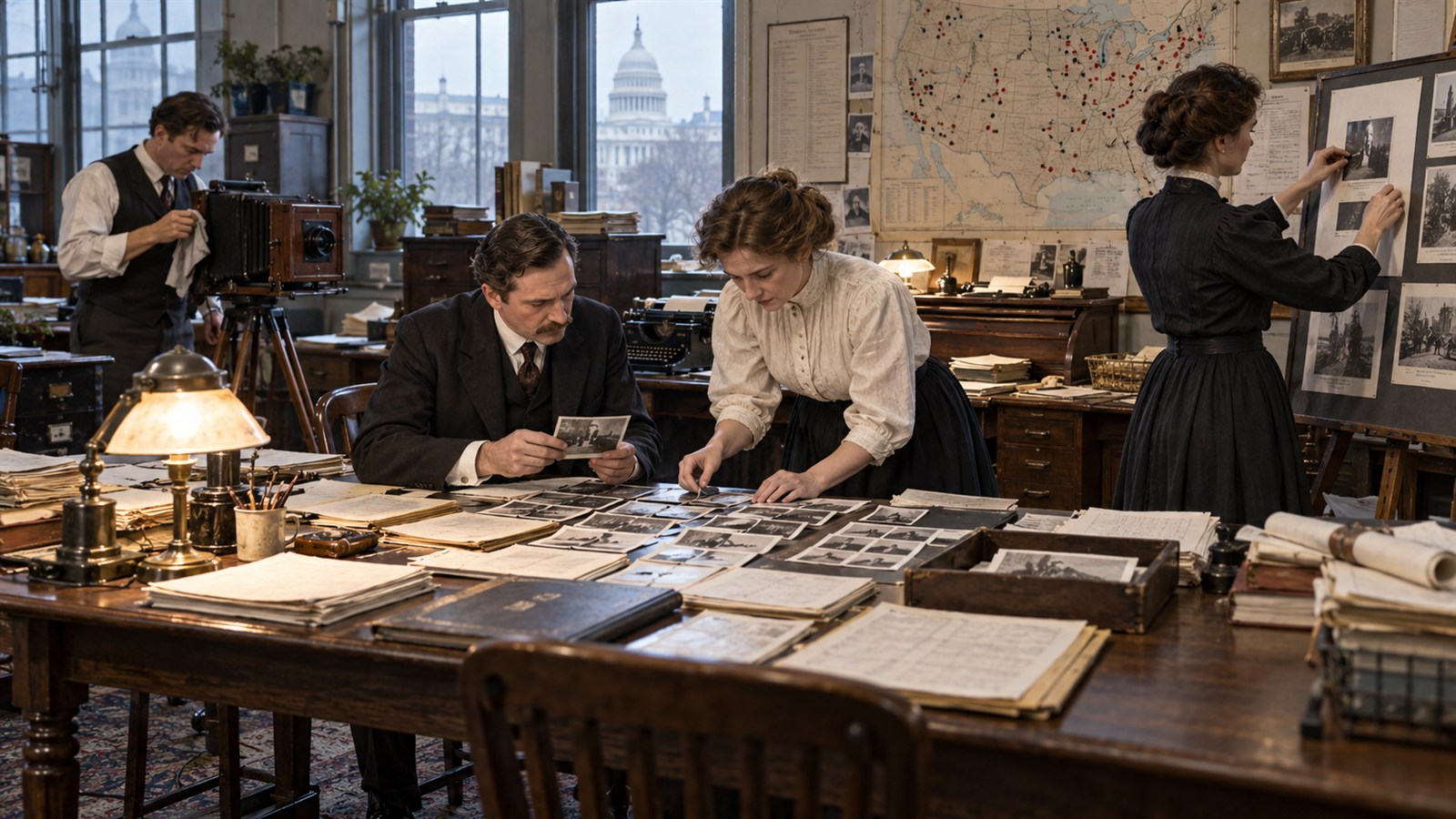
The committee treated evidence as a strategic asset. Investigators collected schedules, wages, ages and workplace conditions, while photographer Lewis Hine traveled widely documenting children at machines, in mines and on city streets. His carefully identified images connected abstract statistics to individual workers and made evasive employer claims harder to sustain. Publications, exhibits and lectures carried that evidence to voters and legislators. The organization did not possess enforcement power, but it could create reputational and political costs around practices that had remained hidden inside supply chains.
Reform proved difficult. Early federal laws restricting goods produced with child labor were struck down by the Supreme Court, and attempts to amend the Constitution stalled. States adopted varying standards, but enforcement remained uneven. The long campaign helped build public support for the Fair Labor Standards Act of 1938, which established federal wage, hour and child-labor protections in interstate commerce. The committee's work also contributed to a wider expectation that employers and buyers had responsibilities beyond immediate price and output.
February 21 matters to business history because it marks the growth of organized scrutiny over labor conditions. Firms could no longer assume that practices inside a factory or supplier would remain private simply because customers were far away. Research, photography and public advocacy began to operate as a form of market accountability, influencing law, brand reputation and purchasing decisions. Modern companies face related pressures in global supply chains, where legal compliance, audits and public evidence interact. The committee's federal charter did not end child labor, but it strengthened an institution able to gather comparable facts and sustain attention across years. Lasting standards often begin when scattered harms become documented patterns that businesses, lawmakers and consumers can no longer treat as isolated exceptions. The committee's method linked moral argument to operational detail. Ages, hours, machines and addresses made reform claims auditable, while photographs widened the audience. Together they created a record that employers and lawmakers had to answer with more than general assurances.
Industrial expansion and inconsistent state laws allowed children to work long hours in dangerous jobs across mills, mines, factories and street trades.
Regional reform groups formed the National Child Labor Committee in 1904 to coordinate investigation, publicity and legislative advocacy.
On February 21, 1907, Congress granted the committee a federal charter that formally defined its national mission.
Investigators and photographer Lewis Hine produced detailed evidence that translated hidden workplace conditions into persuasive public records.
Court decisions blocked early federal laws, but decades of organizing helped build support for national protections in the Fair Labor Standards Act of 1938.
The campaign established an enduring business expectation that labor practices can create legal, reputational and supply-chain responsibilities beyond the factory gate.
Explore more of "On This Day ..."
Discover more events from the same date across news, politics, technology, sports, and other fields. Each link highlights significant moments that shaped history on different fronts.