

On This Day in Business: February 23, 1905
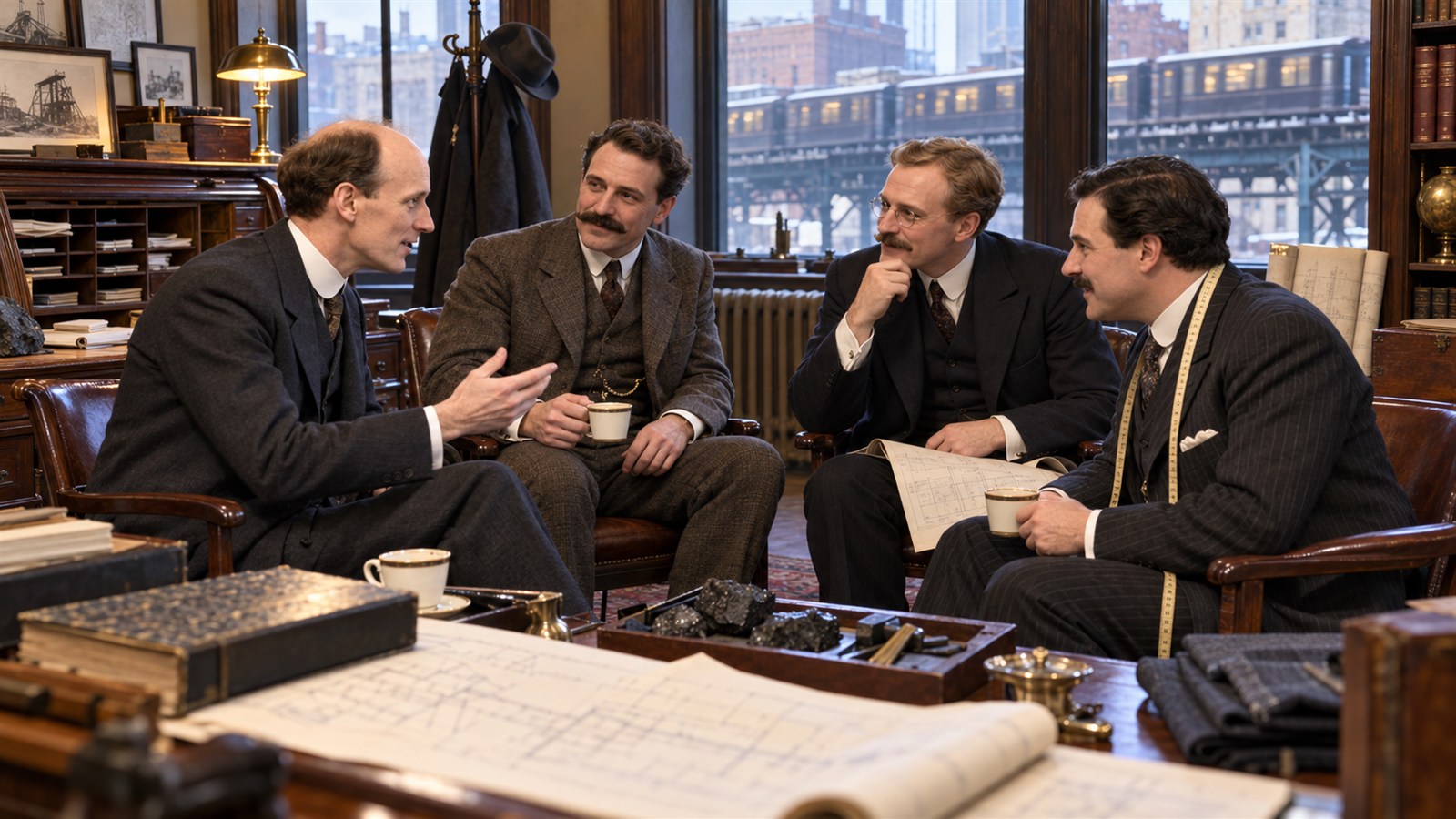
On February 23, 1905, attorney Paul Harris met with Gustavus Loehr, Silvester Schiele and Hiram Shorey in Loehr's office in Chicago's Unity Building. The gathering became the first Rotary club meeting. Harris had moved to the fast-growing city and missed the personal familiarity he remembered from a small-town upbringing. He imagined a group that would bring professionals from different lines of work together for friendship, trust and mutual understanding rather than limit contact to transactions.
The early club rotated meetings among members' offices, a practice that inspired the Rotary name. Limiting membership by vocation reduced direct competition inside the group and widened the range of expertise represented. The arrangement gave businesspeople a recurring setting to build relationships beyond chance encounters. In an era of rapid urbanization, when newcomers often lacked established social networks, the club converted regular attendance and professional reputation into social capital.
Rotary soon expanded beyond fellowship. A 1907 Chicago campaign for public comfort stations became an early civic project, and clubs spread to other American cities. By 1910, the movement had a national association; international growth followed. Service gradually became central to the organization's identity, expressed in local philanthropy, professional ethics and later global programs. The club model also produced its own operating system: charters, dues, weekly meetings, officer roles, conventions and a recognizable network that travelers could enter in other communities.
February 23 matters because the meeting formalized networking as an institution. The founders did not invent professional relationships, but they created a repeatable structure that made diverse connections easier to form and maintain. Such organizations can generate referrals and information, yet their wider legitimacy depends on serving more than member advantage. Rotary's move toward civic work helped connect private relationships with public contribution. Modern chambers, referral groups, alumni networks and online professional communities follow similar logic: trust develops through repeated interaction, shared norms and visible contribution. Four men in one office created a platform whose principal asset was not a building or product but a web of obligations among members, capable of extending from local business to international service. The rotating workplace meetings gave members more than conversation. Each visit exposed the group to another occupation's tools, constraints and customers, turning ordinary offices into informal business education and making the diversity of the membership directly useful. Regular attendance converted weak introductions into durable trust, which could support referrals, advice and coordinated civic action over many years.
Paul Harris believed a large city needed structured opportunities for the personal trust and familiarity common in smaller communities.
He invited professionals from different occupations so the group would exchange perspectives without filling the room with direct competitors.
On February 23, 1905, Harris, Gustavus Loehr, Silvester Schiele and Hiram Shorey met in Loehr's Unity Building office.
Rotating meetings among workplaces gave the club its name and turned members' businesses into a recurring setting for relationship building.
Early civic projects added public service to fellowship, helping the organization expand through charters, conventions and standardized club practices.
Rotary's global growth showed that repeated meetings, shared norms and local contribution could scale professional trust across many communities.
Explore more of "On This Day ..."
Discover more events from the same date across news, politics, technology, sports, and other fields. Each link highlights significant moments that shaped history on different fronts.