

On This Day in Business: May 29, 1861
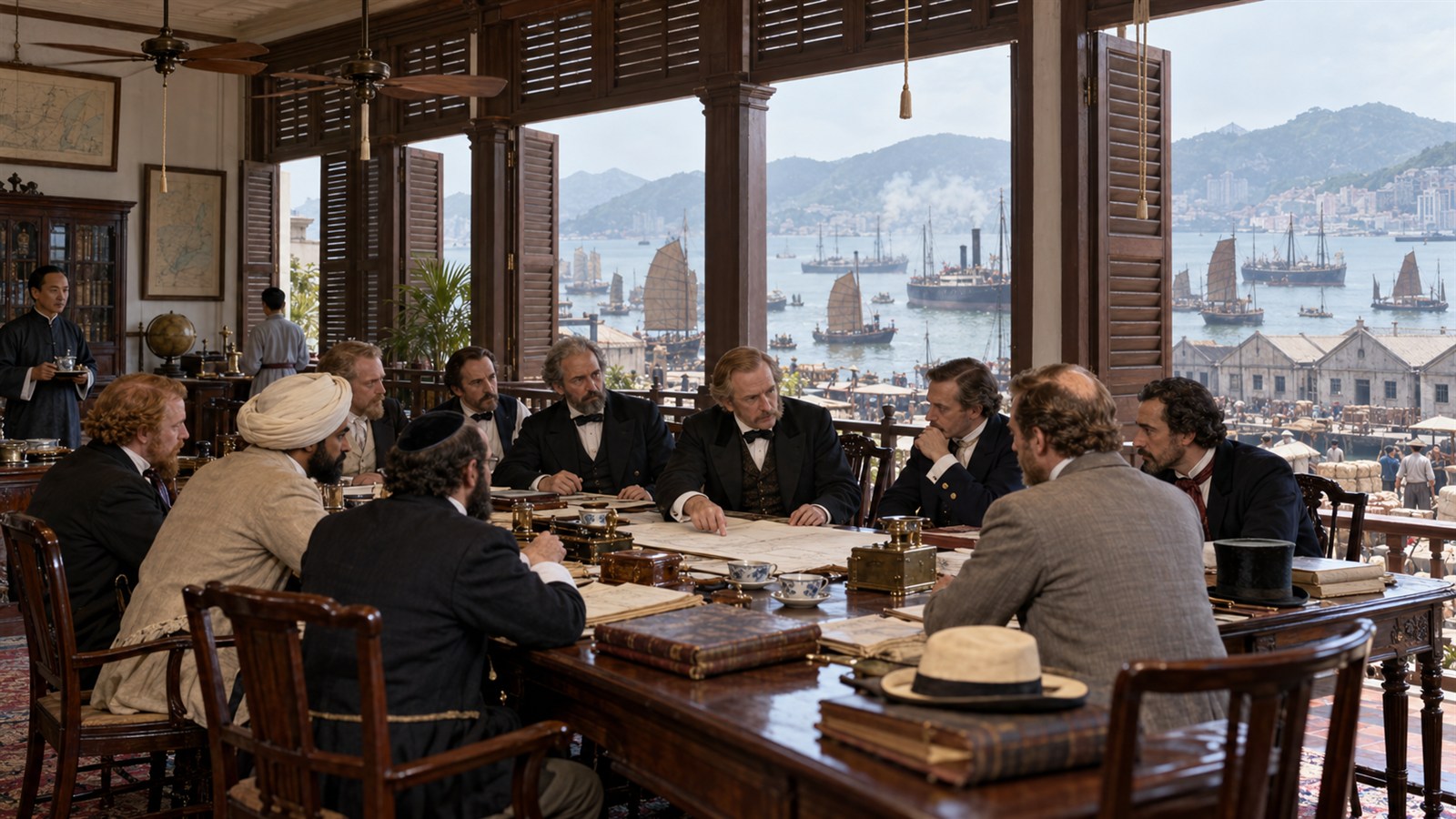
On May 29, 1861, sixty-two merchants gathered at the Hong Kong Club and formed what became the Hong Kong General Chamber of Commerce. The founders represented British, Indian, American, German, Danish, Jewish, and French commercial interests operating in the British colony. Their purpose was to collect information, simplify business practice, arbitrate disputes, communicate with authorities, and protect the general interests of trade. The organization gave separate firms a common voice in a port whose growth depended on shipping, finance, warehousing, and exchange across regional and global networks.
A chamber of commerce creates value through coordination. Individual merchants may compete in cargoes and customers while sharing problems involving harbor rules, documentation, currency, taxation, infrastructure, and legal procedure. By pooling information and presenting negotiated positions, the chamber could reduce the cost of dealing with government and uncertainty. Its membership also provided relationships through which businesses assessed counterparties and opportunities. That influence reflected colonial power structures: Chinese businesses did not join until later, even though Chinese merchants and workers were essential to Hong Kong’s economy.
The chamber expanded its activities as the city developed. It represented business views, supported trade missions, and became an issuer of certificates of origin, documents important for customs and international commerce. Members adapted through political transition, financial crises, wars, and changes in the industries connecting Hong Kong to mainland China and global markets. The organization’s international character remained part of its identity, while participation and leadership gradually became more representative of the local business community.
The founding matters because commerce needs collective institutions alongside private enterprise. Ports thrive when firms can trust documents, resolve disputes, share information, and communicate with authorities about common infrastructure. A chamber can provide those services without eliminating competition among members. Its legitimacy, however, depends on whose interests are included and how transparently it speaks. The 1861 meeting created a durable intermediary between business and government, but its long history also charts changes in representation and political context. The broader lesson is that trading hubs are not built by geography alone; they require organizations that turn diverse commercial actors into workable rules, evidence, and cooperation. Certification work shows how associations can become operational infrastructure. A certificate of origin may look like paperwork, yet customs treatment, quotas, and buyer requirements can depend on it. By verifying such documents, a chamber reduces transaction friction for members and foreign partners. Institutional credibility becomes export capacity when distant parties accept the same evidence.
Hong Kong’s port economy connected merchants, banks, ships, warehouses, and regional markets under colonial rule.
Sixty-two businessmen from several national communities met at the Hong Kong Club on May 29, 1861.
They created a chamber to gather information, simplify practice, arbitrate disputes, and communicate with government.
Early membership reflected unequal colonial structures even though Chinese commerce was indispensable to the city.
Certificates of origin, policy representation, and trade networks later became important chamber services.
The institution shows how a trading center depends on collective rules and trusted intermediaries as well as private deals.
Explore more of "On This Day ..."
Discover more events from the same date across news, politics, technology, sports, and other fields. Each link highlights significant moments that shaped history on different fronts.