

On This Day in Business: September 7, 1979
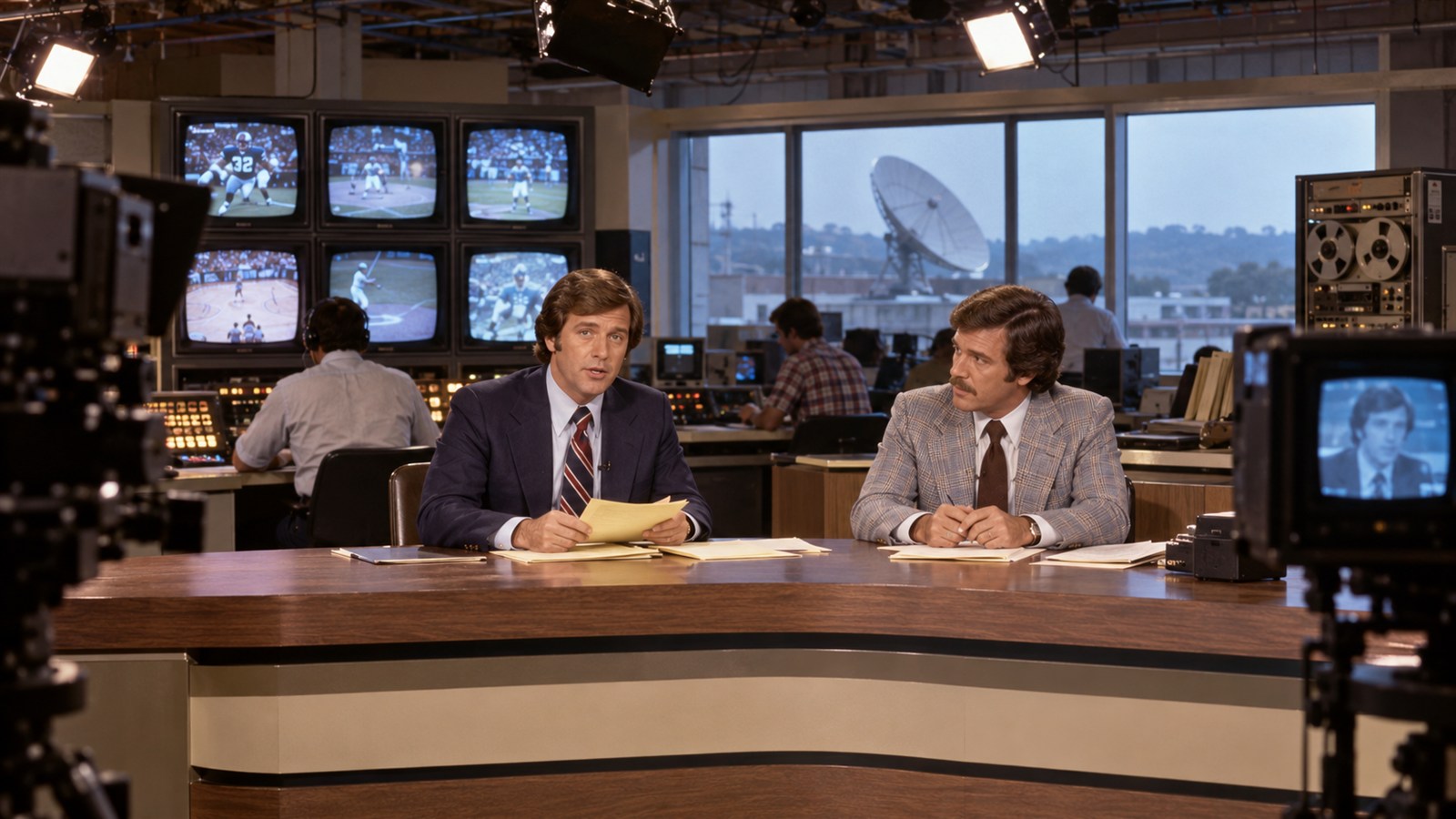
At 7 p.m. Eastern time on September 7, 1979, ESPN began broadcasting with the first edition of SportsCenter. The new network operated from Bristol, Connecticut, and used a satellite transponder to deliver sports programming to cable systems around the United States. Its founders proposed something that seemed extravagant in a television market dominated by three broadcast networks: a channel devoted entirely to sports. The first audience was limited, the studios were still rough around the edges, and much of the schedule relied on events outside the major leagues. Yet the launch created a national outlet where sports news and live competition could become continuous programming rather than occasional appointments.
Satellite distribution made the model possible. A single signal could reach many local cable operators without building a separate terrestrial network in every city. Cable systems gained distinctive content that could attract subscribers, while ESPN assembled rights to college contests, niche sports, and international events that established broadcasters often overlooked. SportsCenter gave the schedule a repeatable spine: scores, highlights, reporting, and commentary could be refreshed daily even when premium live events were unavailable. An early advertising commitment from Anheuser-Busch supplied credibility and revenue to a venture that still faced large production and carriage costs.
The network's economics improved as distribution and audience grew. Subscriber fees from cable operators supplemented advertising, creating two major revenue streams. More households made rights more valuable; better rights drew more households; and the resulting network effects strengthened ESPN's bargaining position. The company also learned to turn sports information into programming throughout the day, building recognizable presenters and a dependable habit among viewers. Eventually, leagues and colleges came to see media rights as a core business, and ESPN became an important bidder capable of shaping schedules, promotion, and national exposure.
Digital streaming and cord-cutting have since pressured the cable bundle that financed ESPN's rise, forcing the company and the wider industry to rethink distribution again. Even so, the 1979 launch remains a defining media-business moment. It proved that a narrowly focused channel could become a large national brand if it controlled a passionate audience, a reliable schedule, and efficient distribution. ESPN also demonstrated the economic power of live content in an advertising market: viewers value immediacy, and delayed substitutes are less attractive. From a modest Bristol studio, the network helped transform sports from a collection of events into a continuous media marketplace built around rights, subscriptions, sponsorships, and attention. The network also changed how fans organized their time. Regular highlights and recurring studio programs converted scattered contests into an ongoing narrative, increasing the value of games before and after the live broadcast. That surrounding attention became inventory for sponsors, leagues, and cable distributors alike.
ESPN launched from Bristol, Connecticut, at 7 p.m. Eastern on September 7, 1979.
The first program was SportsCenter, which organized highlights and news into a daily habit.
Satellite delivery let one network reach cable systems nationwide without local broadcast towers.
Niche and college events supplied affordable programming while the audience developed.
Advertising and cable subscriber fees became complementary revenue streams.
ESPN's growth helped make media rights, live attention, and targeted channels central sports businesses.
Explore more of "On This Day ..."
Discover more events from the same date across news, politics, technology, sports, and other fields. Each link highlights significant moments that shaped history on different fronts.