

On This Day in Business: September 11, 2001
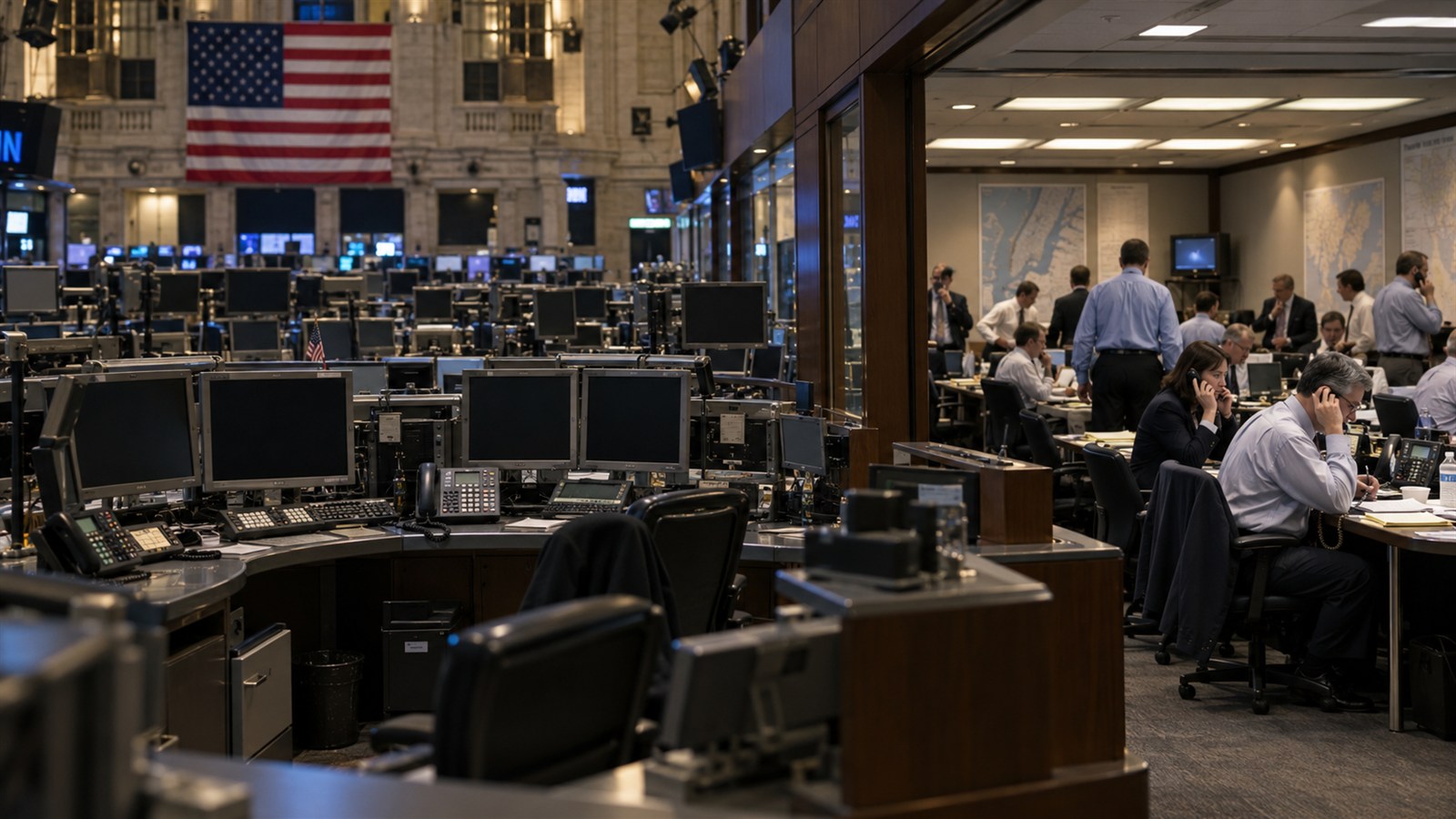
U.S. stock exchanges did not open on September 11, 2001, after terrorist attacks struck New York and Washington. The New York Stock Exchange and Nasdaq remained closed through the rest of the week, the longest shutdown of U.S. equity trading since the 1930s. This was not simply a pause in price quotations. Lower Manhattan contained exchanges, brokerages, data links, telephone networks, clearing operations, and thousands of people responsible for completing trades. Physical destruction, evacuations, communications failures, and profound human loss made normal market operation impossible. The immediate task was to protect lives and preserve the basic financial systems on which businesses and households depended.
Other parts of the financial system had to keep operating. Banks needed to process payments, customers needed access to funds, and securities transactions made before the attacks still required settlement. The Federal Reserve announced that it was open and operating, supplied extraordinary liquidity, and worked with institutions to overcome disrupted communications and uncertain balances. Officials rejected a broader bank holiday that might have intensified fear about access to money. Those decisions reveal the layered nature of resilience: one market can close while payments, credit, and cash services continue under emergency procedures.
Keeping the exchanges shut bought time to reconnect thousands of telephone lines, relocate staff, test systems, and coordinate regulators, clearing organizations, broker-dealers, and utilities. The decision also avoided opening a market in which many participants could not communicate or manage risk on equal terms. A fair market requires more than a trading engine. It requires access, price dissemination, capital, settlement, custody, and confidence that orders can be completed. The closure therefore protected market integrity while the city confronted an emergency far larger than finance.
The human tragedy remains the central fact of September 11, and the market response should be understood within that loss. From a business-continuity perspective, the days that followed changed how financial firms planned for alternate sites, employee safety, redundant communications, data recovery, and coordination with public agencies. The shutdown demonstrated that infrastructure is both technical and human: systems cannot recover without people, relationships, and practiced procedures. When markets reopened on September 17, they did so because thousands of workers had restored enough of that network to function. The closure on September 11 marked the beginning of that recovery effort and a lasting reassessment of operational risk across global finance. Financial firms also learned that redundancy cannot be concentrated in the same neighborhood or depend on the same communications carrier. Backup capacity must survive the event that disables the primary system, and employees need authority to use it. Resilience is designed through independence as well as duplication.
U.S. equity markets did not open after the September 11, 2001, terrorist attacks.
The New York Stock Exchange and Nasdaq remained closed through the end of the week.
Physical damage, evacuations, communications failures, and loss of life disrupted the market network.
The Federal Reserve kept payment systems operating and supplied liquidity to financial institutions.
The closure allowed firms and regulators to reconnect lines, relocate staff, and test operations.
The emergency reshaped business-continuity planning for people, facilities, data, and communications.
Explore more of "On This Day ..."
Discover more events from the same date across news, politics, technology, sports, and other fields. Each link highlights significant moments that shaped history on different fronts.