

On This Day in Business: November 14, 1889
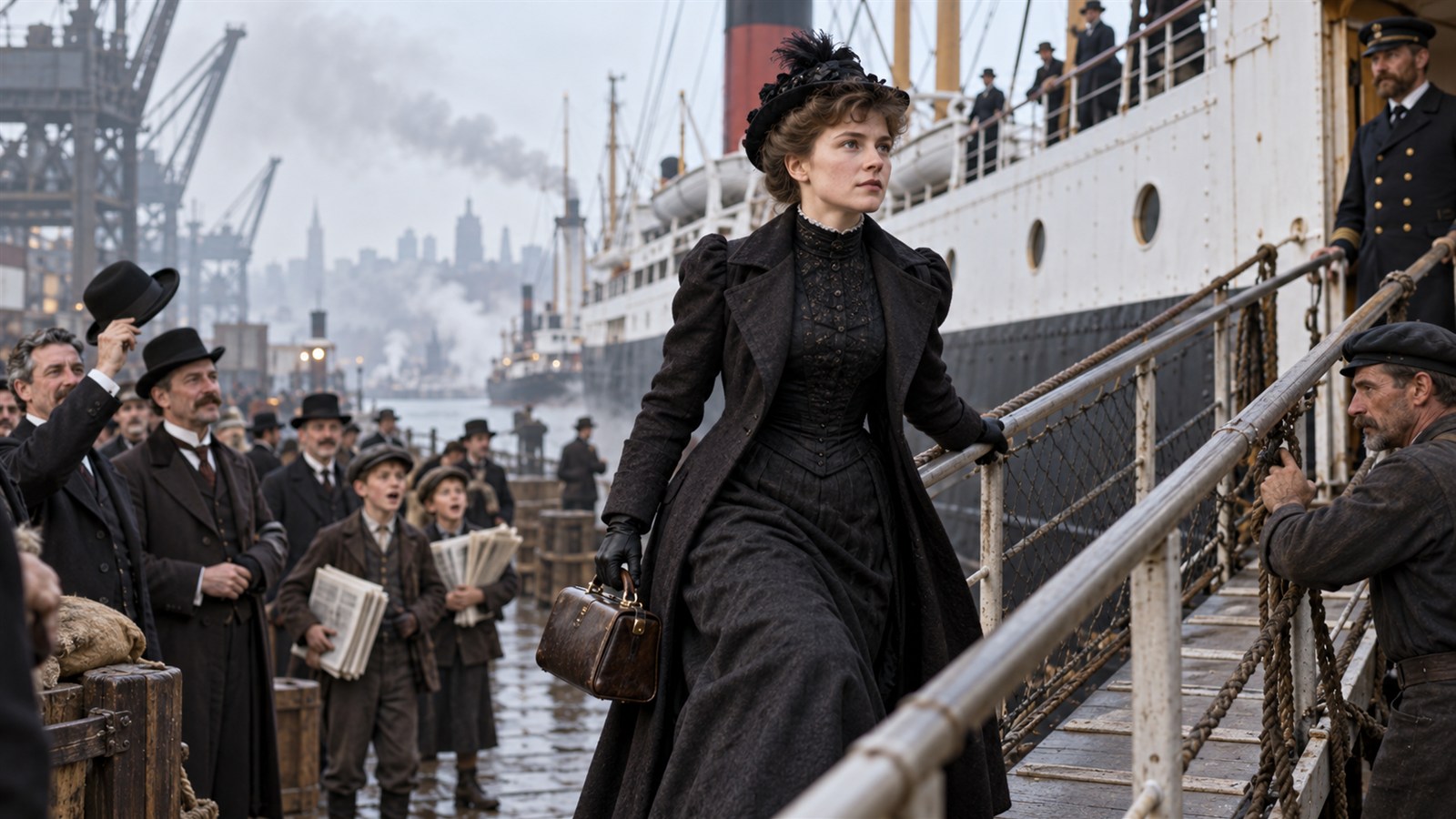
On November 14, 1889, journalist Nellie Bly boarded the steamship Augusta Victoria in New York with one small travel bag and a goal of circling the world faster than the fictional journey in Around the World in Eighty Days. The New York World sent her and turned the trip into an unfolding story that readers could follow across oceans, railways, telegraph offices, and newspaper editions. The launch joined creative ambition to a distribution system that could reliably reach an audience. That combination matters because content has little economic value without access, while a network has little reason to exist without programming distinctive enough to make viewers, listeners, or readers return.
The assignment fused reporting, promotion, and logistics. Bly had to make tight transport connections, communicate through cables and correspondents, and maintain reader interest while much of the journey occurred beyond immediate contact. The newspaper packaged uncertainty itself as a product: each delay, arrival, and dispatch created another reason to buy the next edition. The business model required choices about technology, schedule, rights, talent, and promotion before demand was fully known. Managers were effectively buying an option on future attention, accepting near-term uncertainty in exchange for the chance to establish habits and a recognizable position in a new market.
Bly returned after 72 days, 6 hours, and 10 minutes to an enormous public reception. The feat strengthened her celebrity and the newspaper's identity, demonstrating that a reporter could become both author and central character. It also revealed how global transport and telegraph networks were compressing time for commerce and news. Once the audience formed, the enterprise could extend value through advertising, subscriptions, licensing, syndication, merchandise, or repeat exhibition. Yet scale also raised expectations: the brand had to deliver consistently, protect credibility, and keep adapting as competitors copied the format or distribution changed.
The trip foreshadowed modern live media campaigns in which the event, the coverage, and the brand reinforce one another. Such projects can generate attention that conventional advertising cannot buy, but credibility depends on real risk, transparent reporting, and meaningful achievement. Bly's agency and professionalism made the promotion compelling rather than merely manufactured. The durable lesson is that media companies are built from both stories and systems. Creative work attracts attention, but operational reliability, rights ownership, audience insight, and distribution determine how long that attention can be converted into revenue. A premiere matters most when it begins a repeatable relationship. In practical terms, the advantage came from linking a clear customer promise to disciplined execution. Capital had to be allocated before demand was certain, employees and partners had to coordinate, and leaders had to keep learning after the initial milestone passed into history.
Nellie Bly departed New York on November 14, 1889.
The New York World sponsored the trip.
She carried one small bag on a race around the globe.
Telegraph and transport networks turned the journey into continuing news.
Bly completed the trip in just over 72 days.
The campaign joined journalism, personal brand, and newspaper circulation.
Explore more of "On This Day ..."
Discover more events from the same date across news, politics, technology, sports, and other fields. Each link highlights significant moments that shaped history on different fronts.