

On This Day in Business: December 10, 1901
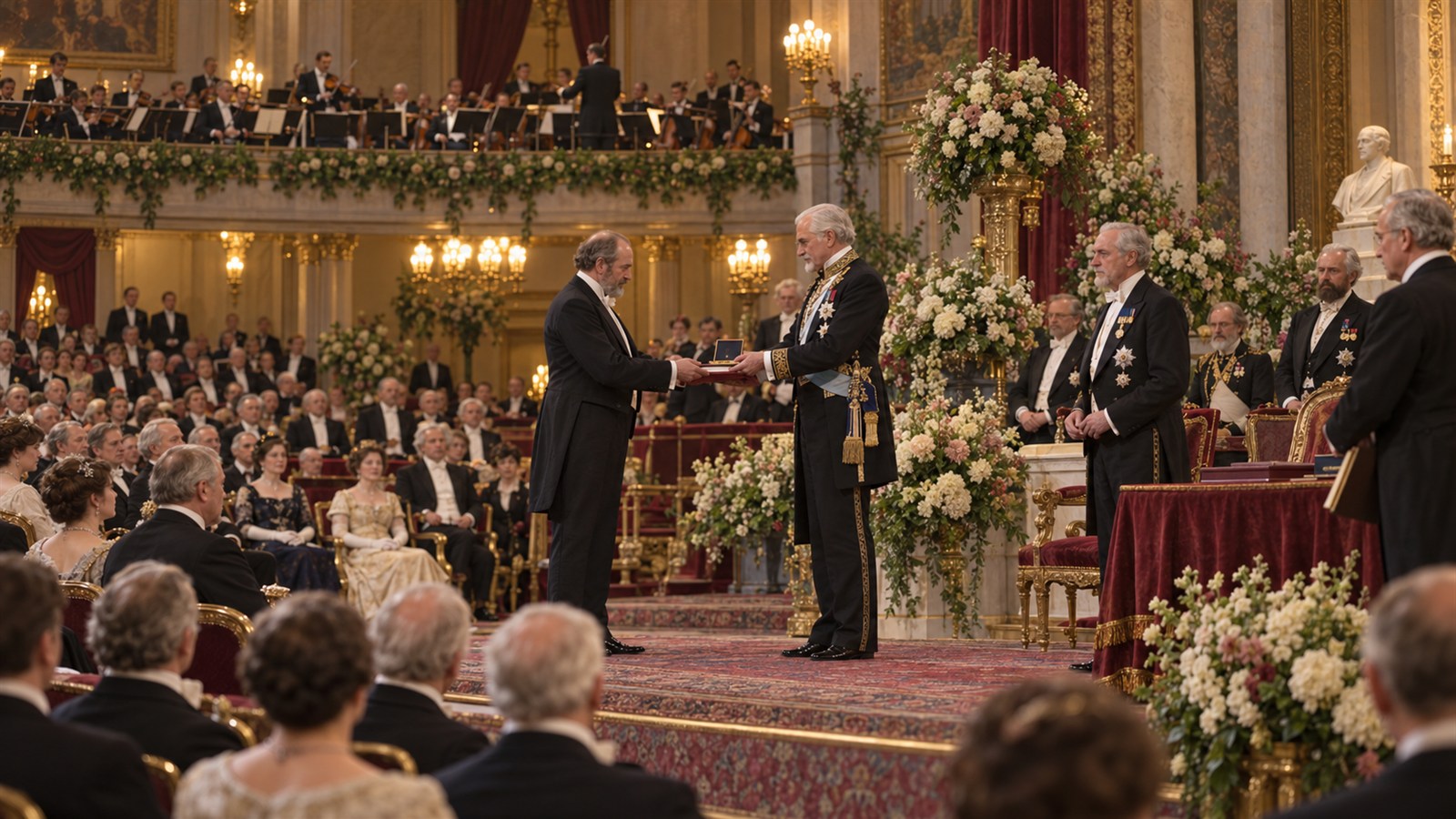
On December 10, 1901, the first Nobel Prizes were awarded on the fifth anniversary of Alfred Nobel's death. Ceremonies in Stockholm recognized achievements in physics, chemistry, medicine, and literature, while the peace prize was presented in Christiania, now Oslo. The public moment rested on years of organizing, fundraising, negotiation, and rule setting. Institutions become durable when people can coordinate around procedures that outlast any one leader. The challenge is to make authority legitimate enough to attract participation while keeping decision making clear and accountable.
Nobel's will converted wealth created through invention and industry into a permanent prize fund. Institutions were assigned to evaluate work in different fields, and investment income financed awards, creating a governance challenge that joined expert judgment, financial stewardship, and international reputation. Resources also had to match the mission. Membership, donations, fees, sponsorship, or public support could sustain activity, but each funding source brought expectations. Leaders therefore needed governance that protected independence, disclosed conflicts, and showed participants how contributions were converted into useful work.
The prizes quickly gave recipients visibility beyond their disciplines. Recognition could influence careers, institutions, research priorities, publishing, and public understanding. The system also faced recurring debates about selection, omission, geographic reach, and the difficulty of crediting collaborative work through a limited number of individual awards. Growth expanded both reach and responsibility. A wider network could set standards, share knowledge, and represent common interests, yet it could also exclude outsiders or become slow to adapt. Healthy institutions make space for challenge while preserving the continuity required for long projects.
The first ceremony established a durable brand built on process rather than a product. Its value depends on confidence that nominations remain confidential, evaluators are serious, finances are protected, and standards endure. Reputation compounds when an institution makes difficult choices consistently across generations. For current organizations, the lesson is that reputation accumulates through consistent process. Clear criteria, fair treatment, transparent records, and willingness to correct mistakes create trust. Ceremonies may symbolize legitimacy, but the institution earns it repeatedly through decisions that stakeholders can understand and test. In practical terms, the advantage came from linking a clear public or customer promise to disciplined execution. Capital and attention had to be committed before demand was certain, partners had to coordinate, and leaders had to keep learning after the first milestone passed into history. The strongest legacy was not the announcement alone, but the repeatable capability, institution, or market that people built around it afterward.
The first Nobel Prizes were awarded on December 10, 1901.
Stockholm hosted the science and literature ceremonies.
The peace prize was presented in Christiania, now Oslo.
Alfred Nobel's estate created a permanent fund for the awards.
Expert institutions were assigned to evaluate work in distinct fields.
The prizes became a globally influential institution of recognition.
Explore more of "On This Day ..."
Discover more events from the same date across news, politics, technology, sports, and other fields. Each link highlights significant moments that shaped history on different fronts.