

On This Day in Business: December 15, 1939
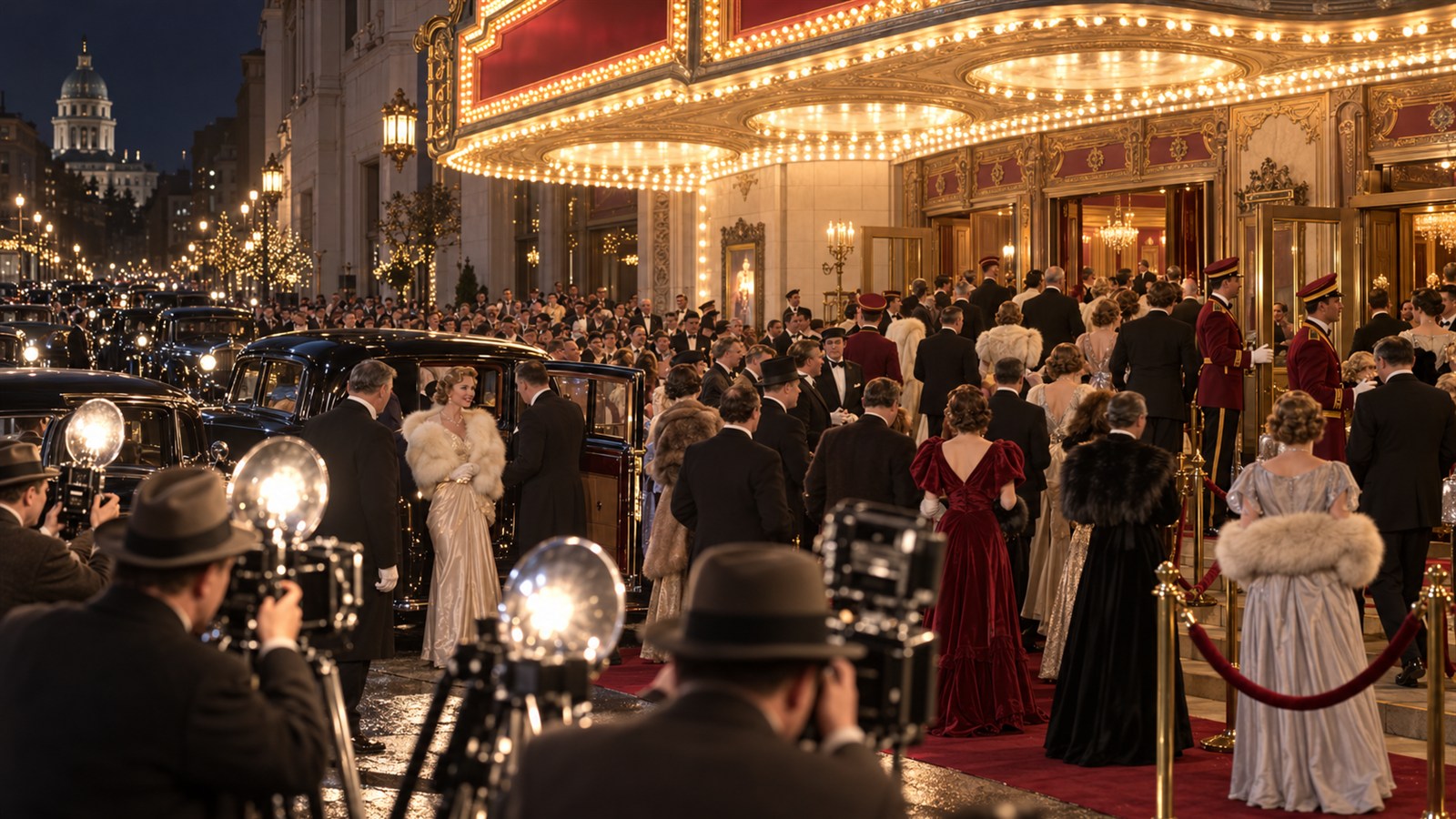
On December 15, 1939, Gone with the Wind premiered at Atlanta's Loew's Grand Theatre after an enormous publicity campaign. Crowds filled the city, stars attended celebrations, and the release turned a bestselling novel, a costly production, and a carefully managed premiere into a national entertainment event. The venture joined creative ambition to a distribution system capable of reaching an audience. Content has limited economic value without access, while a channel has little reason to exist without work distinctive enough to make readers, listeners, viewers, or players return. The operating model connected those two sides.
Producer David O. Selznick coordinated rights, casting, color cinematography, sets, editing, distribution, and promotion on an exceptional scale. The production's expense increased pressure for roadshow pricing, strong reviews, repeat attendance, and later rereleases that could extend the value of the film library. Leaders had to commit to talent, rights, equipment, promotion, and scheduling before demand was fully known. They were effectively buying an option on future attention, accepting near-term uncertainty for the chance to establish habits and a recognizable position in a changing market.
The celebration also exposed the industry's racial order. Segregation prevented Hattie McDaniel and other Black cast members from attending the Atlanta premiere, while the story romanticized the slaveholding South and relied on racist stereotypes. Commercial success and cultural harm existed together and must be evaluated together. Once an audience formed, the enterprise could extend value through advertising, subscriptions, licensing, syndication, merchandise, sequels, or repeat exhibition. Scale also raised expectations: the brand had to deliver consistently, protect credibility, and adapt as competitors copied the format or distribution technology changed.
The film became a durable catalog asset, but its legacy demonstrates that ownership and distribution keep shaping interpretation long after opening night. Media companies gain value from preservation and reissue, while stewardship requires context, honest treatment of exclusion, and recognition that popular works can reinforce damaging myths. The durable lesson is that media companies are built from both stories and systems. Creative work attracts attention, but rights ownership, operational reliability, audience insight, and distribution determine how long that attention can become revenue. A launch matters most when it begins a repeatable relationship. In practical terms, the advantage came from linking a clear public or customer promise to disciplined execution. Capital and attention had to be committed before demand was certain, partners had to coordinate, and leaders had to keep learning after the first milestone passed into history. The strongest legacy was not the announcement alone, but the repeatable capability, institution, or market that people built around it afterward.
The film premiered in Atlanta on December 15, 1939.
A large publicity campaign turned the opening into a citywide event.
The production coordinated major spending on rights, talent, sets, and color film.
Roadshow exhibition and rereleases helped recover and extend its value.
Segregation excluded Hattie McDaniel and other Black cast members from the premiere.
The film's commercial legacy remains inseparable from its racist mythology.
Explore more of "On This Day ..."
Discover more events from the same date across news, politics, technology, sports, and other fields. Each link highlights significant moments that shaped history on different fronts.