

On This Day in Health: January 2, 1971
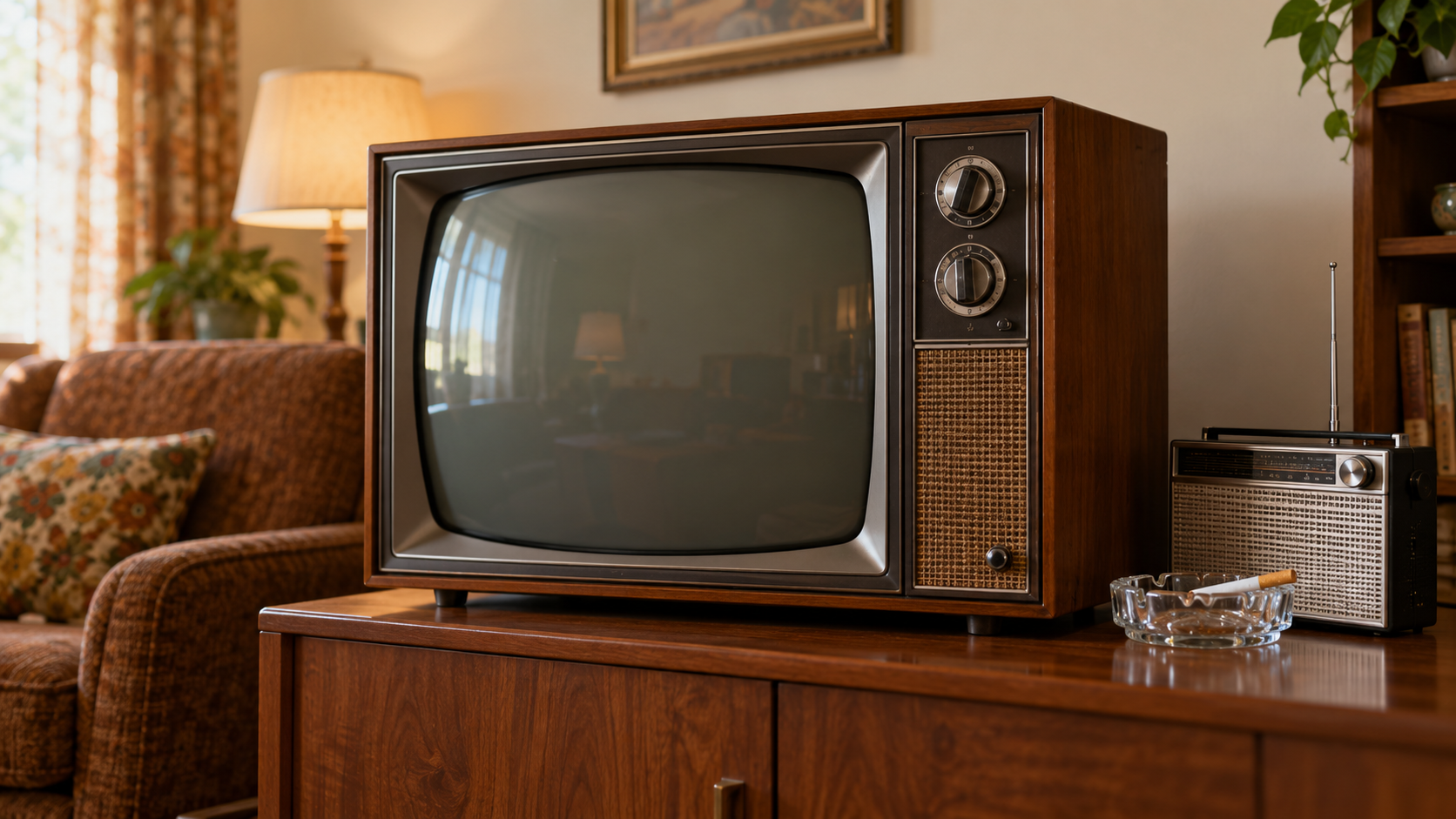
On January 2, 1971, a quiet but consequential shift took place in American living rooms: cigarette commercials disappeared from television and radio in the United States. The change stemmed from the Public Health Cigarette Smoking Act, which prohibited cigarette advertising on broadcast media beginning that day. For viewers, the transition was subtle—favorite shows simply returned from commercial breaks without the familiar slogans and jingles—but for public health, it was a milestone in the effort to reduce tobacco’s toll. The law reflected a growing consensus that cigarettes were unlike ordinary consumer products, carrying well-documented risks of cancer, heart disease, and other serious illnesses.
The groundwork for this moment had been laid during the previous decade. In 1964, the U.S. Surgeon General’s landmark report on smoking and health formally linked cigarette use to lung cancer, chronic bronchitis, and cardiovascular disease, transforming smoking from a personal habit into a national health concern. Soon after, Congress passed the Federal Cigarette Labeling and Advertising Act of 1965, requiring health warnings on cigarette packages for the first time and signaling that government was prepared to regulate how tobacco was promoted. By the late 1960s, regulators went further: under the Fairness Doctrine, broadcasters that carried cigarette ads were required to air anti-smoking public service announcements, exposing millions of viewers to emerging evidence about the harms of tobacco.
Tobacco companies and broadcasters resisted more sweeping restrictions, warning of lost advertising revenue and insisting that adults should be free to make their own choices with minimal interference. After intense lobbying and negotiation, Congress passed, and President Richard Nixon signed, the Public Health Cigarette Smoking Act in 1970, with the broadcast ad ban set to take effect at the start of 1971. To allow networks to air long-planned cigarette spots during New Year’s Day football games, the effective date was set for January 2 rather than January 1. In a symbolic farewell, the final national television cigarette commercial—a Virginia Slims advertisement—aired just before midnight during “The Tonight Show Starring Johnny Carson,” closing an era in which tobacco brands were woven into prime-time entertainment.
The immediate impact on smoking rates was modest. Cigarette makers quickly shifted their marketing budgets into print media, billboards, retail promotions, and sports sponsorships, and overall consumption remained high for several years as deeply ingrained habits and social norms persisted. Over the long term, however, the 1971 broadcast ban became a cornerstone of modern tobacco control, reinforcing the message that cigarettes were a product warranting special scrutiny. It helped clear space on the airwaves for health education campaigns and paved the way for stronger warning labels, higher tobacco taxes, comprehensive smoke-free air laws, and graphic health messaging in later decades. Viewed in retrospect, January 2, 1971, stands as an early and influential example of using communication policy to advance population health and reduce the burden of a leading preventable cause of disease and death.
By January 2, 1971, decades of scientific research had made clear that cigarette smoking was strongly linked to lung cancer, heart disease, and other serious illnesses. The 1964 U.S. Surgeon General’s report had already warned the public about these dangers, and subsequent studies only reinforced the conclusion that tobacco use was a major preventable cause of death.
In response, Congress passed the Public Health Cigarette Smoking Act of 1969, which, among other provisions, banned cigarette advertising on television and radio beginning January 2, 1971. This marked a turning point in how tobacco could be promoted in the United States and signaled that cigarettes would be treated differently from ordinary consumer products.
The broadcast advertising ban removed cigarette commercials from some of the country’s most powerful mass media platforms almost overnight. Viewers who had long been accustomed to glamorous cigarette ads during prime-time shows and sports broadcasts no longer saw tobacco brands promoted between their favorite programs.
However, the law had clear limitations. It applied only to television and radio advertising, leaving room for cigarette marketing in newspapers, magazines, billboards, point-of-sale displays, and sponsorships. Smoking rates did not drop immediately; many adults remained habitual smokers, and tobacco companies quickly shifted their marketing budgets into channels the law did not cover.
Over time, the January 2, 1971, ad ban came to be seen as a foundational step in modern tobacco control policy. It reduced the normalization of smoking in everyday media and helped open space for health education campaigns and public service announcements that warned of the risks of tobacco use.
The move also set a precedent for further regulation, including stronger health warnings on packaging, restrictions on sponsorships, smoke-free air laws, and higher tobacco taxes. Together, these policies contributed to declining smoking rates in the United States and influenced global efforts to curb tobacco-related disease, making this day an enduring milestone in public health history.
Explore more of "On This Day ..."
Discover more events from the same date across news, politics, technology, sports, and other fields. Each link highlights significant moments that shaped history on different fronts.