

On This Day in Health: January 10, 2020
In early January 2020, clusters of unexplained pneumonia in Wuhan, China were drawing increasing concern, but the causative agent and its global implications were still uncertain. On January 10, 2020, that began to change in a decisive way. On this day, Chinese and international researchers made a complete genetic sequence of the novel coronavirus publicly available online, providing the world’s scientific community with its first detailed look at the virus’s genome. Around the same time, the World Health Organization began using an interim designation—“2019 novel coronavirus,” or 2019-nCoV—and public health agencies such as the U.S. Centers for Disease Control and Prevention issued early technical guidance and travel notices related to the outbreak. Together, these steps marked the moment when a local health emergency started to become a coordinated global response.
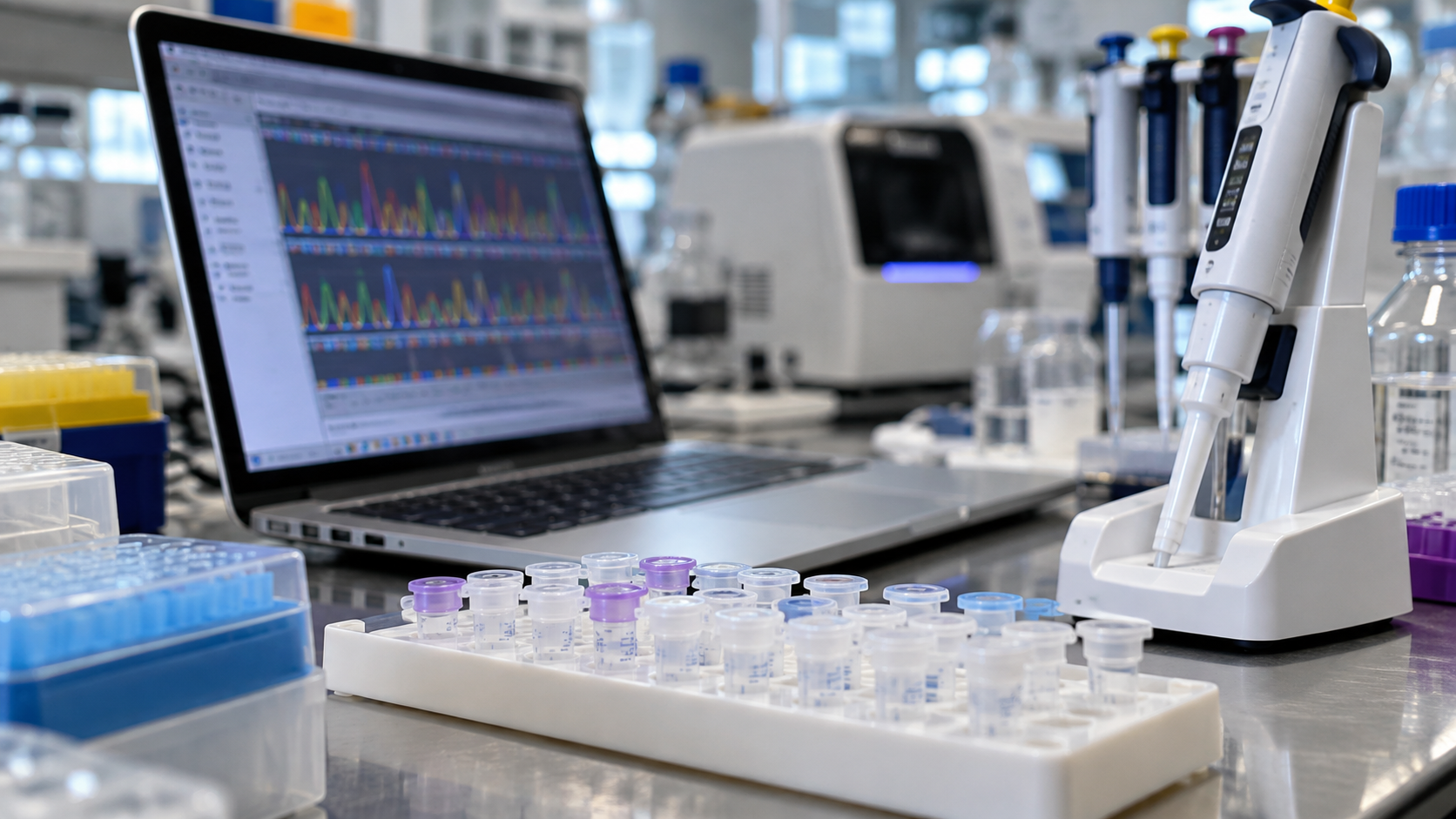
The release of the genome sequence was crucial because it transformed a mysterious respiratory outbreak into a problem that could be tackled with modern molecular tools. With access to the viral genetic code, laboratories around the world could immediately begin designing PCR assays capable of detecting the virus in patient samples. Within days, test protocols were drafted, shared, and refined, allowing countries far from Wuhan to prepare their own diagnostic capabilities rather than waiting for physical samples of the virus. The sequence also confirmed that the pathogen belonged to the coronavirus family and was closely related to viruses associated with severe acute respiratory syndrome (SARS), a comparison that heightened concern among epidemiologists and clinicians who remembered the 2002–2003 SARS outbreak.
Beyond diagnostics, the genome release laid the foundation for much of the scientific and medical work that would follow. Vaccine developers used the sequence to identify key viral proteins, such as the spike protein, that could serve as targets for immunization. Computational biologists began comparing the new virus with known coronaviruses to infer its likely origin, patterns of mutation, and possible routes of transmission. Public health modelers incorporated emerging virologic and clinical data into early projections of how widely and quickly the virus might spread. Though many of these early analyses were revised as more information accumulated, the ability to iterate rapidly was only possible because the genetic blueprint had been made publicly accessible.
Looking back, January 10, 2020, is often cited as a turning point in the COVID-19 era: the day when open sharing of scientific data enabled a truly global response, even as major uncertainties remained. The disease would later receive the official name COVID-19, and the virus would be designated SARS-CoV-2, but the scientific and public health mobilization that shaped those efforts traces directly to this moment. The events of that day continue to inform debates about pathogen surveillance, the importance of transparent data sharing, and how the world should organize itself to detect and respond to emerging infectious threats more quickly and equitably in the future.
By early January 2020, health officials in Wuhan, China had reported clusters of pneumonia cases of unknown cause. Laboratory investigations pointed to a new coronavirus, but much about the pathogen—its origins, how easily it spread, and how severe the disease might become—remained unclear. The World Health Organization (WHO) began issuing situation reports, while public health agencies around the world monitored developments closely.
On January 10, 2020, scientists in China and their collaborators released the first complete genetic sequence of the novel coronavirus to public databases. This made the virus’s genome immediately accessible to researchers worldwide. At that time, the outbreak was still largely confined to Wuhan, but the decision to share the genetic code signaled the beginning of a rapid, global scientific response to what would soon be known as SARS-CoV-2, the virus that causes COVID-19.
The public release of the viral genome allowed laboratories around the world to begin designing PCR diagnostic tests within days, rather than waiting for physical samples of the virus. This meant countries could prepare to identify infections at their borders and in their health systems much earlier in the outbreak. The sequence also confirmed that the virus belonged to the coronavirus family and was closely related to viruses associated with severe acute respiratory syndrome (SARS), raising concern among clinicians and epidemiologists.
At the same time, there were important limitations. Diagnostic capacity was uneven across countries, and testing criteria were initially narrow, so many early infections went undetected. Key questions about how easily the virus spread from person to person, the full range of symptoms, and the proportion of mild or asymptomatic cases remained unanswered. The genome gave the world a powerful new tool, but the public health response still had to contend with incomplete data, evolving risk assessments, and constrained resources.
Over the longer term, the January 10 genome release became a foundation for many of the tools used to manage the COVID-19 pandemic. Vaccine developers relied on the sequence to identify viral proteins, particularly the spike protein, as targets for immunization. Researchers used it to track mutations as the virus spread and evolved, supporting surveillance systems that could identify new variants of concern. The speed with which multiple vaccines were designed and tested owes much to having that genetic information so early.
This moment also reshaped expectations around data sharing and global readiness for emerging infectious diseases. The rapid publication of the SARS-CoV-2 genome is now often cited as an example of how open scientific collaboration can accelerate a public health response. At the same time, it highlighted ongoing challenges, including inequities in access to sequencing technology, vaccines, and treatments. Debates about preparedness, surveillance, and fair distribution of medical countermeasures continue to draw lessons from what happened on and after this day.
Explore more of "On This Day ..."
Discover more events from the same date across news, politics, technology, sports, and other fields. Each link highlights significant moments that shaped history on different fronts.