

On This Day in Politics: January 15, 2022,
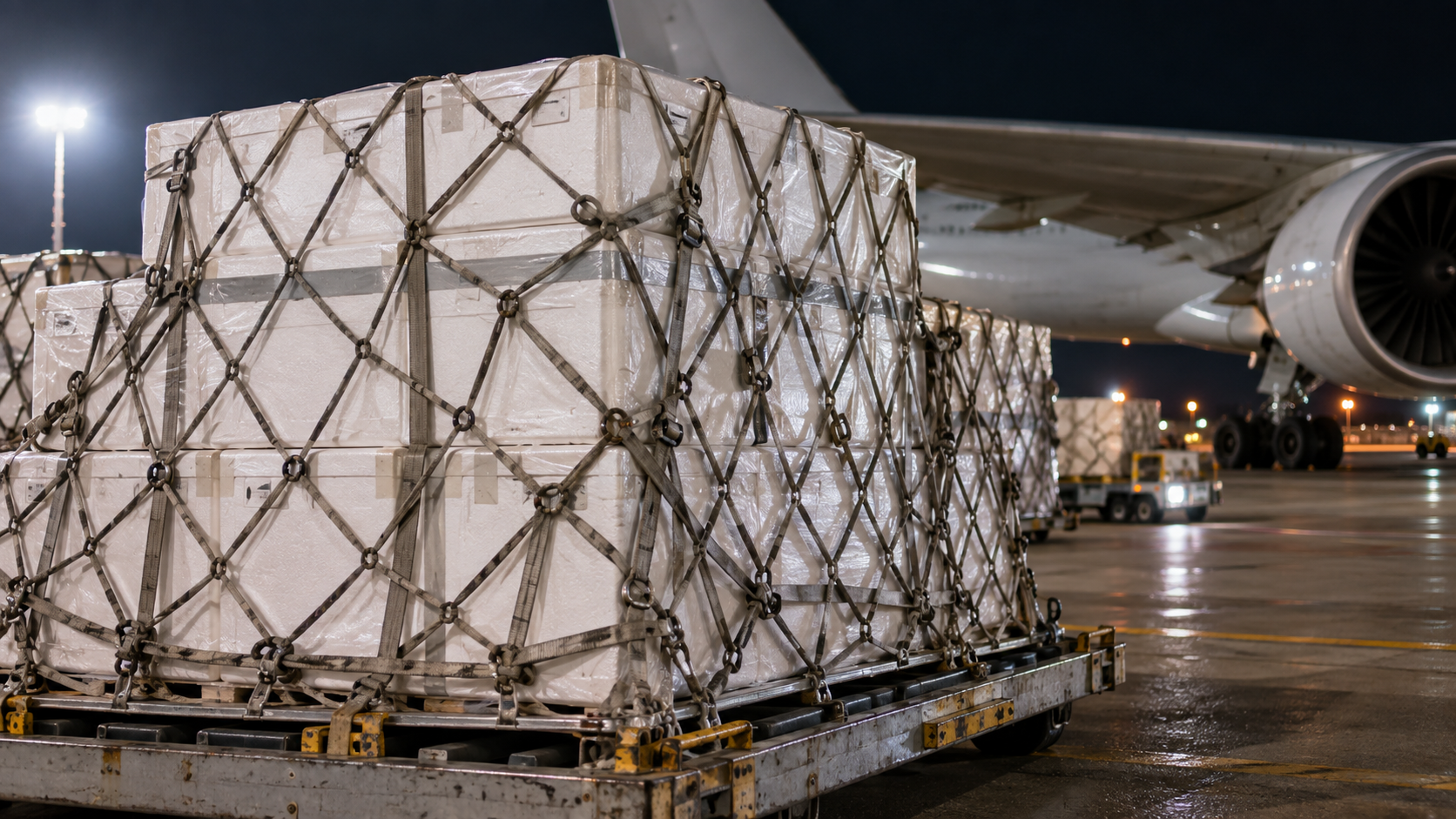
On January 15, 2022, COVAX reached a historic milestone in the global COVID-19 response when a shipment of 1.1 million vaccine doses landed in Kigali, Rwanda, containing the one billionth dose supplied through the initiative. The consignment, part of an ongoing stream of deliveries, symbolized both the scale of the world’s vaccination effort and the ambition to narrow gaps in access between high- and lower-income countries. By this point, COVAX had delivered vaccines to 144 countries and territories, making it one of the largest and fastest cross-border immunization operations ever mounted.
COVAX was launched in 2020 as a pillar of the Access to COVID-19 Tools (ACT) Accelerator, co-led by the World Health Organization, Gavi, the Vaccine Alliance, the Coalition for Epidemic Preparedness Innovations (CEPI), and UNICEF. Its design was intended to counter “vaccine nationalism,” in which wealthy countries secured much of the early supply. Through pooled purchasing and advance market commitments, COVAX sought to guarantee participating lower-income economies enough doses to protect their highest-risk populations. By early 2022, 85 percent of doses delivered through COVAX had gone to 86 lower-income countries, illustrating how central the mechanism had become to vaccination efforts outside the richest nations.
Reaching the billion-dose mark was not straightforward. Throughout 2021, production delays, export restrictions, and sudden shifts in manufacturers’ output slowed deliveries. Some doses arrived close to expiry, forcing health ministries to quickly mobilize clinics, cold-chain storage, and public communication to ensure they were used in time. Nonetheless, deliveries accelerated sharply toward the end of 2021, with hundreds of millions of doses shipped in December alone. The Kigali shipment in mid-January 2022 showed how those earlier logistical hurdles were gradually being overcome, even as global partners acknowledged that COVAX had fallen short of its original target of 2 billion doses by the end of 2021.
For Rwanda and other participating countries, the vaccines were only one part of a broader health effort. Alongside doses, partners supported cold-chain upgrades, data systems, and training for health workers who traveled from major cities to remote villages to administer shots. The billionth dose marked tangible progress toward more equitable access to COVID-19 vaccines, but it also highlighted unfinished work: large gaps in coverage persisted, particularly in regions with fragile health systems and limited funding. Even so, the events of January 15, 2022, demonstrated that rapid, large-scale sharing of medical technologies is possible when governments, multilateral agencies, and manufacturers coordinate around a common goal—a lesson likely to shape future discussions about pandemic preparedness and global health solidarity.
By January 15, 2022, the world was entering the third year of the COVID-19 pandemic, and the global focus had shifted from developing vaccines to making sure they reached people in every region. Wealthy countries had already vaccinated large portions of their populations, but many lower-income countries were still waiting for enough doses to protect health workers and people at highest risk.
On this day, a shipment of 1.1 million COVID-19 vaccine doses arrived in Kigali, Rwanda through COVAX, the global vaccine-sharing initiative. Within that shipment was the one billionth dose supplied by COVAX, a symbolic milestone that highlighted both how much had been achieved and how much remained to be done to close the equity gap in access to life-saving vaccines.
The billion-dose mark did not mean that the vaccination challenge was solved. Many countries were still struggling with low coverage, supply that arrived in unpredictable waves, and doses that sometimes came close to their expiration dates. Health systems had to quickly organize cold-chain storage, vaccination sites, and community outreach to make sure doses did not go to waste.
Even so, the milestone represented a concrete benefit for countries relying on COVAX as their primary source of vaccines. It enabled more health and social care workers, older adults, and people with underlying conditions to receive protection against severe disease and death. At the same time, it drew attention to ongoing limitations: coverage remained uneven between and within countries, and booster access in many lower-income settings was still limited.
In the longer term, the COVAX milestone became part of a broader conversation about how the world responds to health emergencies. It underscored the importance of mechanisms that can coordinate financing, negotiate with manufacturers, and distribute vaccines beyond the wealthiest markets. The experience also exposed structural weaknesses, including dependence on a small number of production hubs and the difficulty of scaling up delivery in health systems with limited resources.
Lessons from this effort are now informing discussions about future pandemic preparedness, from regional vaccine manufacturing to ways of sharing technology and know-how more quickly. The events of January 15, 2022, are often cited as evidence that rapid, large-scale sharing of medical tools is possible when international partners commit to equity as a core goal, even if achieving that goal remains an ongoing challenge.
Explore more of "On This Day ..."
Discover more events from the same date across news, politics, technology, sports, and other fields. Each link highlights significant moments that shaped history on different fronts.