

On This Day in Health: April 9, 2019
On April 9, 2019, the U.S. Food and Drug Administration approved Evenity, or romosozumab, for osteoporosis in postmenopausal women at high risk of fracture. The indication included women with a history of osteoporotic fracture or other risk factors, and those for whom other available treatments had failed or could not be tolerated. The decision added a medicine with a distinctive action on bone remodeling. It also came with a prominent cardiovascular warning, making patient selection central to its use. The anniversary therefore marks both a new therapeutic possibility and a clear example of why an approval must be understood together with its limitations.
Bone is living tissue that is continually formed and broken down. Osteoporosis develops when strength is reduced enough to make fractures more likely, sometimes after a relatively minor fall or strain. A fracture can affect mobility, independence and the ability to carry out everyday activities. Romosozumab is a monoclonal antibody that blocks sclerostin, a protein involved in regulating bone formation. Its action increases bone formation and also reduces bone resorption to a lesser extent. That dual effect distinguished it from approaches focused primarily on slowing bone loss. The approved treatment course was limited to twelve monthly doses, with subsequent antiresorptive therapy considered to preserve gains.
The FDA reviewed two major clinical studies involving more than 11,000 women. One compared romosozumab with placebo before participants moved to denosumab; the other compared a sequence beginning with romosozumab and continuing with alendronate against alendronate treatment alone. The studies found reductions in new vertebral fractures and improvements in bone mineral density in the relevant comparisons. These findings supported the benefit for women facing substantial fracture risk. At the same time, the evidence raised cardiovascular concerns. The prescribing information carried a boxed warning about possible increased risk of heart attack, stroke and cardiovascular death, and advised against starting the medicine in patients who had experienced a heart attack or stroke within the preceding year.
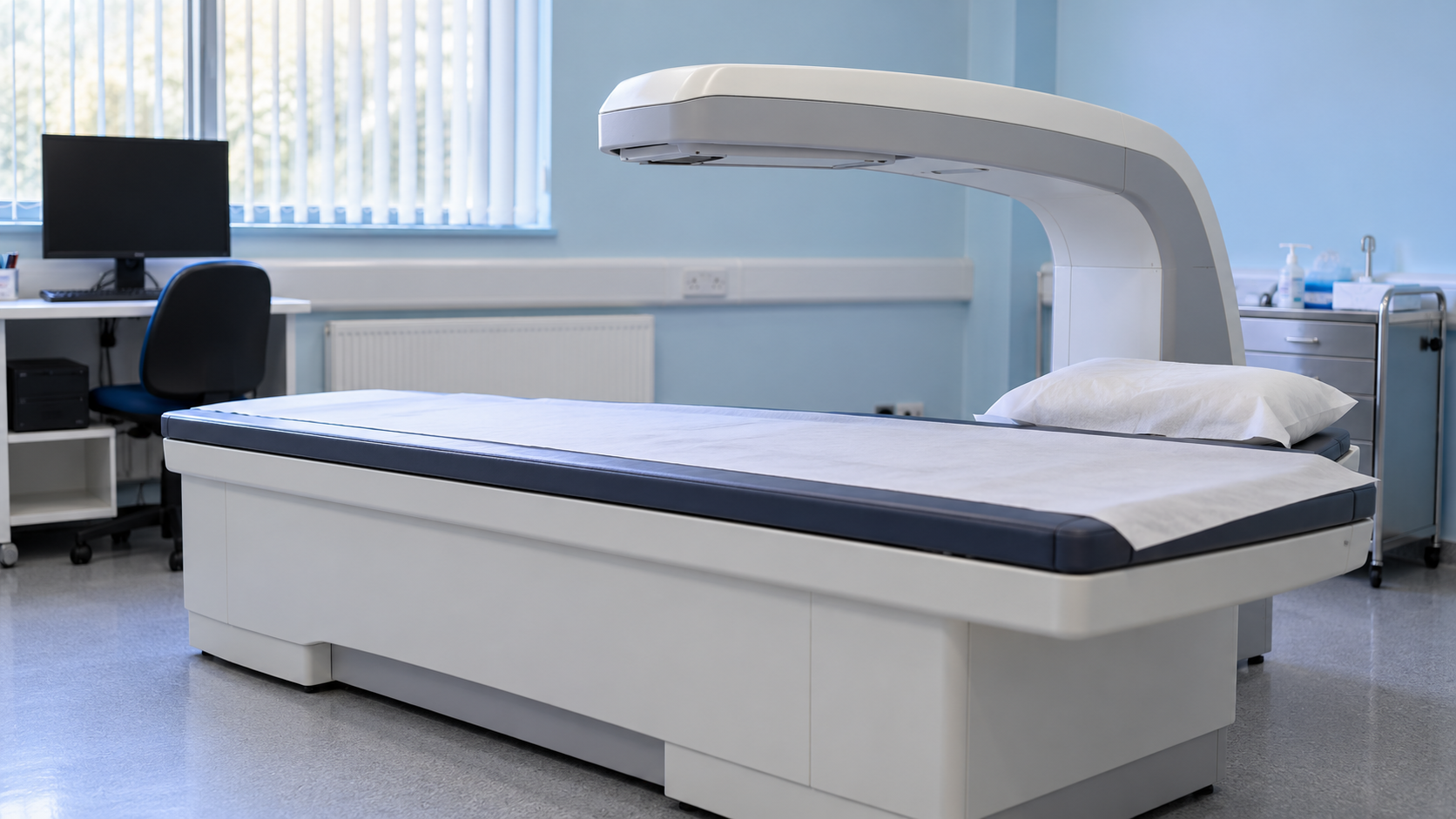
April 9 illustrates the balance required when a treatment offers a meaningful benefit alongside a serious potential harm. Measuring bone density and assessing fracture history can help describe skeletal risk, but those findings must be considered alongside the person’s wider health. A medicine that helps one patient may be unsuitable for another whose cardiovascular circumstances differ. The milestone’s importance lies in broadening the available strategies for a chronic condition that can have lasting consequences. It also demonstrates that medical progress includes better selection and sequencing of treatment, rather than simply adding a new product to a list. Evidence about fractures, duration of therapy and safety together shaped what the new option could responsibly offer.
Romosozumab received FDA approval on April 9, 2019.
The indication concerned postmenopausal women at high risk of osteoporotic fracture.
The antibody blocks sclerostin and increases bone formation.
Two large trials supported benefits involving fractures and bone mineral density.
The approved course was limited to twelve monthly doses.
A boxed cardiovascular warning made careful patient selection essential.
Explore more of "On This Day ..."
Discover more events from the same date across news, politics, technology, sports, and other fields. Each link highlights significant moments that shaped history on different fronts.