

On This Day in Health: April 29, 2010
On April 29, 2010, the U.S. Food and Drug Administration approved Provenge, or sipuleucel-T, for a defined group of patients with advanced prostate cancer. The indication covered asymptomatic or minimally symptomatic metastatic castration-resistant disease. In this setting, cancer had spread beyond the prostate and continued to progress despite treatment aimed at lowering or blocking male hormones. Dendreon developed the patient-specific cellular immunotherapy. It was designed to stimulate an immune response against cancer, using cells collected from the individual receiving treatment. Although often described as a therapeutic cancer vaccine, it was a treatment for existing disease, rather than a routine vaccination to prevent prostate cancer in healthy men.
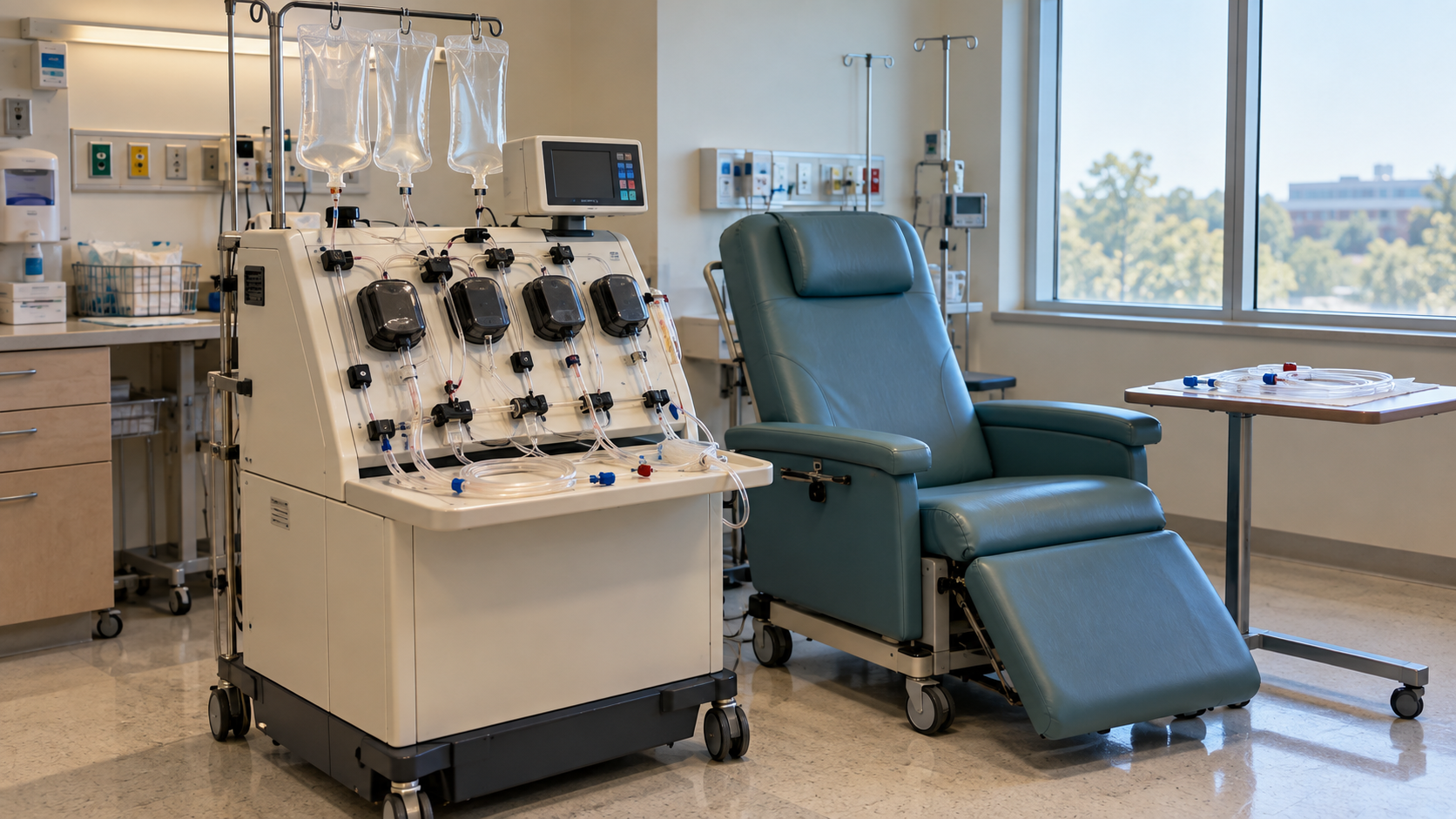
Manufacturing began with leukapheresis, a procedure in which blood passed through equipment that collected immune cells. The collected cells were then exposed outside the body to a specially designed protein combining a prostate-associated antigen with an immune cell activator. After processing, the resulting product was returned intravenously to the same patient. This made each dose an individual biological preparation, rather than an interchangeable supply for any patient. The approved course involved three infusions at approximately two-week intervals, each linked to a preceding collection procedure. The approach required coordination among collection services, manufacturing and the treatment clinic, making the delivery system an essential part of the therapy itself.
The principal clinical study randomized 512 patients to Provenge or a control preparation. Median overall survival was 25.8 months in the treatment group and 21.7 months in the control group. That difference supported the approval, but it did not mean that every patient gained the same amount of time or that the medicine cured advanced cancer. Analyses of time to disease progression did not reach statistical significance in the phase 3 studies. Keeping those outcomes distinct is important: a survival result and a measure of progression ask related but different questions. The evidence made the treatment significant without requiring the claim that all conventional measures of tumor response improved together.
The April approval brought a patient-specific immune strategy into licensed cancer care. It also demonstrated the demands of translating an idea about immune recognition into a product that could be consistently collected, manufactured and administered. Infusion reactions, including chills, fever and fatigue, were common, and clinical monitoring remained important. The narrow indication preserved the relationship between the patients studied and those for whom the treatment was authorized. April 29 therefore records both an innovation and its practical boundaries. Its lasting place in health history comes from showing that a patient’s own immune cells could become part of a regulated cancer treatment, with evidence of improved survival in a specified population and a delivery process built around that individual.
Provenge received FDA approval on April 29, 2010.
The indication covered a defined form of metastatic castration-resistant prostate cancer.
Immune cells were collected from each patient through leukapheresis.
The processed product was returned to the same patient.
A 512-patient study found median survival of 25.8 versus 21.7 months.
The therapy treated existing cancer and was not a preventive vaccination.
Explore more of "On This Day ..."
Discover more events from the same date across news, politics, technology, sports, and other fields. Each link highlights significant moments that shaped history on different fronts.