

On This Day in Health: June 22, 2022
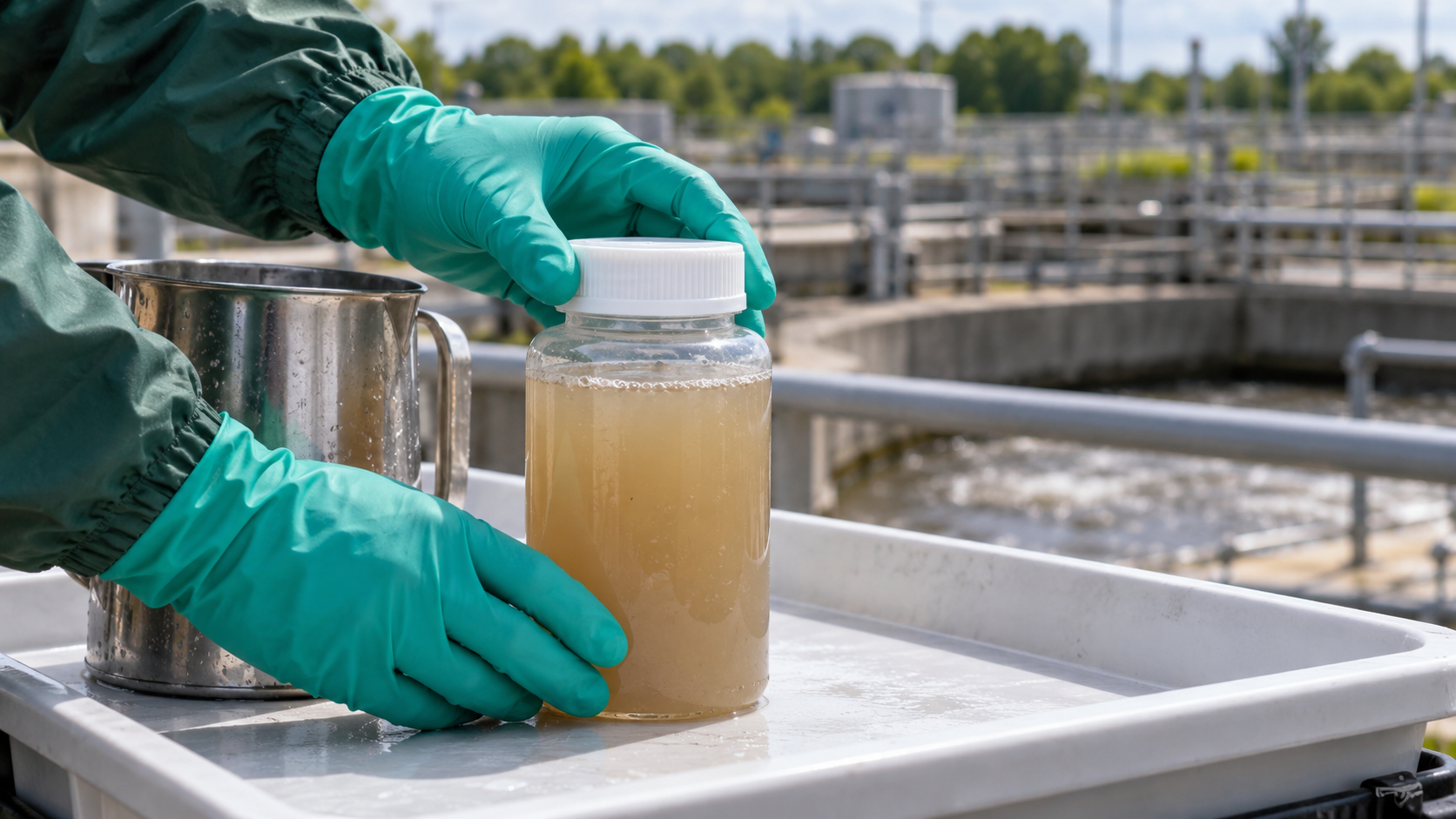
On June 22, 2022, the UK Health Security Agency announced that poliovirus had been found repeatedly in sewage collected at London's Beckton treatment works. Working with the Medicines and Healthcare products Regulatory Agency, investigators had identified related virus samples collected between February and May. The findings suggested that a vaccine-derived type 2 poliovirus had spread among closely connected people in north and east London. No associated case of paralytic polio had been reported when the announcement was made. Officials declared a national incident to coordinate the response while emphasizing that the overall risk to the public was low.
Wastewater surveillance could reveal a threat that ordinary case reporting might miss. Most poliovirus infections do not cause the paralysis commonly associated with the disease, and infected people can shed virus in their stools without realizing they carry it. Routine sewage testing occasionally detects vaccine-like poliovirus from a person who received an oral vaccine abroad. The unusual feature in London was the repeated detection of genetically related viruses over several months. That pattern differed from an isolated sample and justified a closer investigation into whether transmission was occurring within the community rather than simply reflecting separate introductions from travelers.
The term vaccine-derived described the virus's origin and evolution. Oral polio vaccines contain weakened live virus, which can circulate and change in populations with inadequate immunity. In rare circumstances, prolonged circulation can produce strains capable of causing paralysis. The United Kingdom had switched its routine program to an inactivated polio vaccine, which contains no live virus and cannot generate this kind of vaccine-derived strain. The announcement therefore did not implicate the routine injected vaccine as the source. It highlighted how international circulation and local gaps in protection could interact even in a country long free of indigenous wild polio.
The immediate response involved extending sewage testing, investigating the detections and urging families to check children's vaccination records. Later in 2022, London introduced an additional polio vaccination campaign for children aged one to nine; that program followed the June alert rather than beginning on the same day. The episode demonstrated the value of environmental monitoring as an early-warning system, but it also showed its limits. A positive sewage result could indicate circulation across a large catchment without identifying a particular infected person or proving that paralysis had occurred. June 22 marks the public recognition of that warning and the effort to act on it before preventable illness appeared.
Beckton serves a large London population, so sewage samples can provide evidence about community circulation. They do not identify the individual people shedding a virus.
The 2022 concern involved repeated, genetically related detections. Occasional unrelated vaccine-like isolates had been found before, making the pattern over time particularly important.
No linked paralytic case had been reported at the June 22 announcement. Declaring an incident allowed agencies to coordinate investigation and prevention without claiming that a clinical outbreak had already been observed.
Vaccine-derived poliovirus arises from changed descendants of live oral vaccine virus. The UK's routine injected inactivated vaccine cannot produce that strain because it contains no live poliovirus.
Expanded surveillance and vaccination outreach followed the alert. The additional London vaccination campaign for children aged one to nine was a later development in 2022.
The incident illustrates why elimination of local wild-virus transmission does not remove the need for monitoring. Environmental evidence can help health services respond before a rare but serious clinical outcome becomes the first warning.
Explore more of "On This Day ..."
Discover more events from the same date across news, politics, technology, sports, and other fields. Each link highlights significant moments that shaped history on different fronts.