

On This Day in Health: August 17, 1896
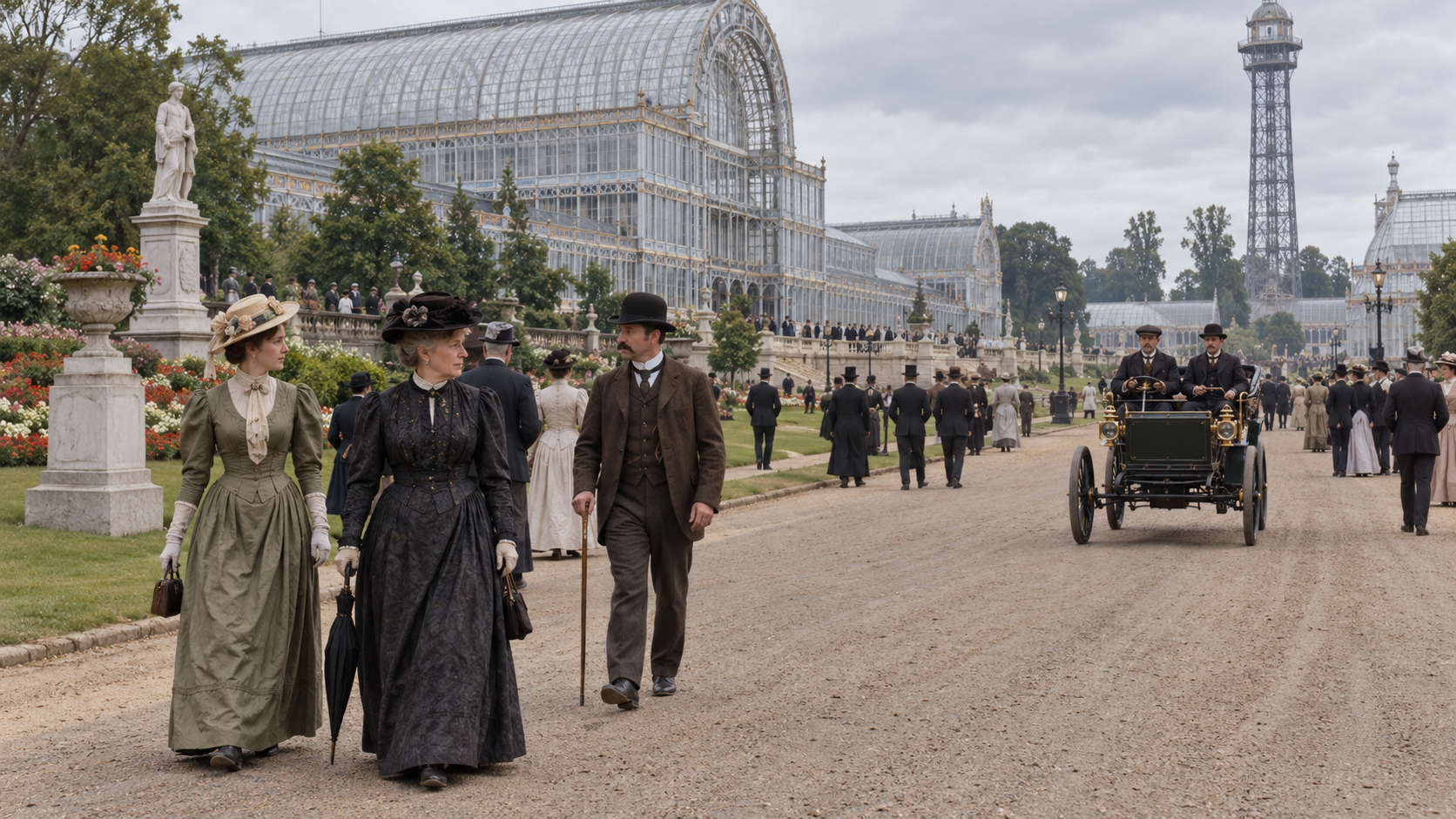
On August 17, 1896, Bridget Driscoll was struck and killed by a motorcar in the grounds of the Crystal Palace in London. She was walking with her teenage daughter and a friend when a vehicle used for demonstration rides hit her. Driscoll, about forty-four, is widely recorded as the first pedestrian in Great Britain to die in a collision with a petrol-powered car. The vehicle was an unfamiliar novelty on public ground, and witnesses disagreed about its speed. An inquest returned a verdict of accidental death.
The case occurred when motor traffic was only beginning to share space with people, horses, bicycles, and carriages. Roads, rules, vehicle design, and public expectations had not developed around fast mechanical transport. Contemporary accounts often repeat the coroner’s hope that such a death would never happen again, although the precise wording varies across later retellings. The important fact is not a dramatic speed estimate but the new pattern of risk: a machine, driver, pedestrian, and shared environment combined in a fatal event for which society had few established safeguards.
Road injury later became a major public-health field. Prevention shifted from treating collisions as isolated accidents toward analyzing systems. Speed limits, driver licensing, vehicle brakes and lights, pedestrian crossings, sidewalks, street design, emergency response, and laws on impairment and restraint use all change the chance or severity of injury. Epidemiologists compare exposure, behavior, road conditions, and outcomes; engineers design for predictable human error. Modern safe-system approaches emphasize that death should not be accepted as the price of mobility and that responsibility extends beyond an individual road user.
Driscoll’s death should be remembered without reducing her to a curiosity or blaming her for encountering an unfamiliar technology. It marks an early human cost in a transport transition that brought convenience alongside preventable injury. Pedestrians remain especially vulnerable because they lack the protective structure of a vehicle, and risk rises where speed and road design leave little margin for error. The August 17 anniversary connects medical care with policy and engineering: preventing trauma can save more lives than treating it after impact. It also shows why reliable records matter. A single documented death helped make visible a new category of harm that public health would eventually measure and work to prevent. Reliable trauma systems remain the final protective layer when prevention fails. Dispatch, bystander action, ambulance design, hospital triage, surgery, rehabilitation, and support for bereaved families all influence the human outcome. Public-health analysis therefore counts deaths and nonfatal injuries together and asks how mobility can be preserved while exposure to lethal force is reduced.
Bridget Driscoll was walking at the Crystal Palace grounds on August 17, 1896, when a demonstration motorcar struck and killed her.
She is recorded as Britain’s first pedestrian death involving a petrol-powered automobile, at a time when such vehicles were novel and road rules were immature.
The inquest classified the death as accidental, but later public-health thinking would examine speed, design, visibility, behavior, and emergency response together.
Exact claims about the vehicle’s speed and the coroner’s wording vary in retellings, so the documented collision matters more than embellished details.
Road-safety gains came from coordinated changes in vehicles, streets, law, licensing, trauma systems, data collection, and public expectations.
Modern safe-system policy treats serious injury as preventable and designs transport environments with the vulnerability and fallibility of people in mind.
Explore more of "On This Day ..."
Discover more events from the same date across news, politics, technology, sports, and other fields. Each link highlights significant moments that shaped history on different fronts.