

On This Day in Health: September 22, 1874
On September 22, 1874, Dorothy Mabel Reed was born in Columbus, Ohio. As Dorothy Reed Mendenhall, she became a physician, pathologist, pediatrician, and public-health investigator whose work clarified Hodgkin disease and later examined maternal and child health. This date matters because it fixes a broad medical story to a specific moment, place, and group of people. It also shows how health history is shaped by institutions and practical choices as well as laboratory discoveries.
The background was already developing before that day. At the turn of the twentieth century, Hodgkin disease was poorly understood and sometimes confused with tuberculosis. Reed studied medicine at Johns Hopkins when women were still unusual in medical schools and faced direct limits on appointments, pay, and advancement. Those conditions defined what participants could attempt and what patients or communities could reasonably expect. They also explain why later accounts sometimes compress years of preparation into a single anniversary. Looking at that preparation keeps credit broad and makes the turning point easier to understand without turning it into a miracle story.
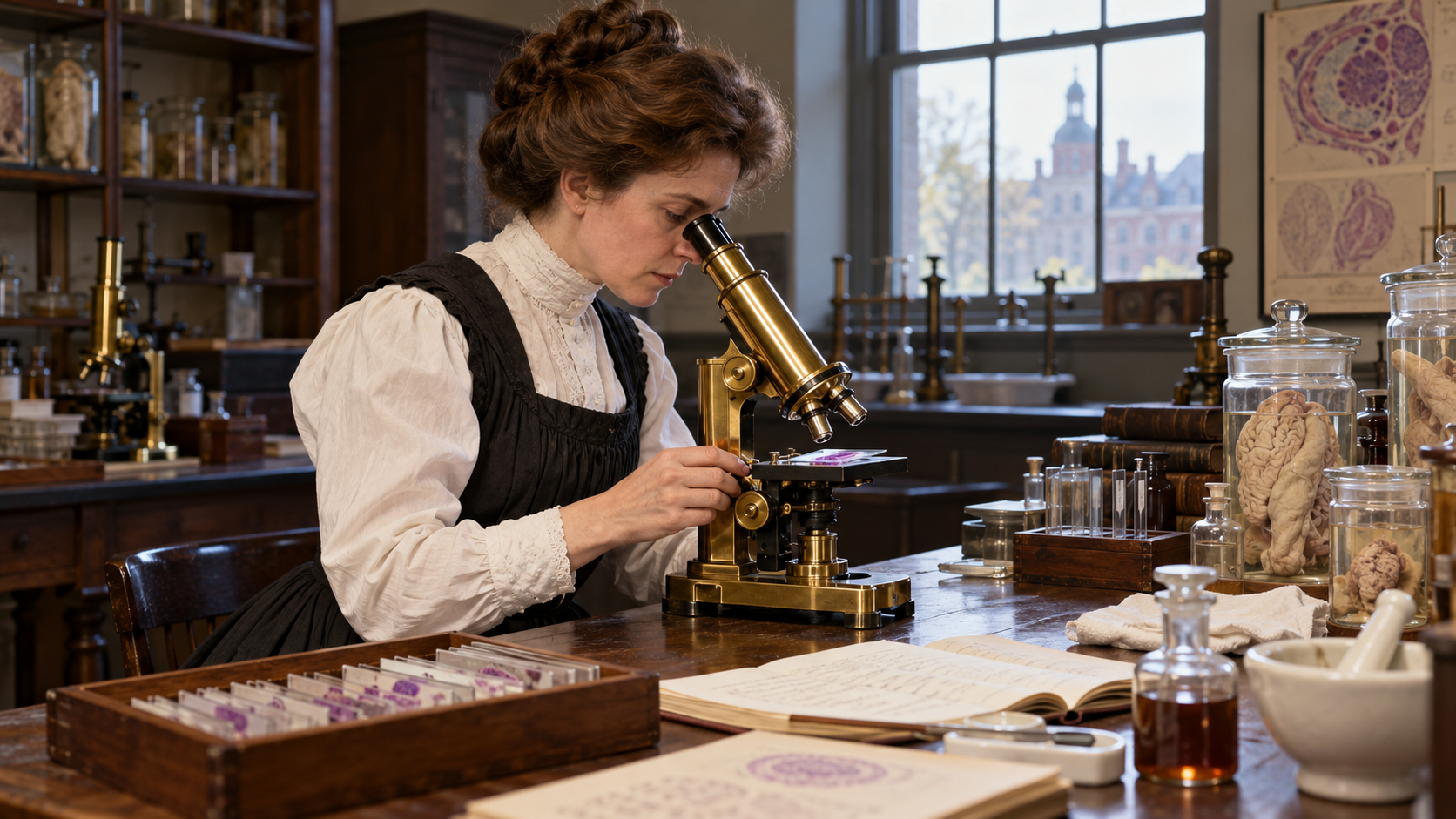
What happened on the date was consequential but limited. During a pathology fellowship under William Welch, Reed reviewed tissue from patients diagnosed with Hodgkin disease. She described a consistent pattern that included distinctive giant cells, helping establish the illness as a separate disease process rather than a form of tuberculosis. The cells later became known as Reed-Sternberg cells, but a diagnostic marker did not immediately reveal the disease's cause or produce effective therapy. Reed also left pathology after being told that a faculty future for a woman was unlikely. The distinction is important: the event did not instantly solve the underlying health problem, and later progress depended on follow-up research, training, policy, funding, and public trust. Contemporary evidence also helps separate what participants knew then from interpretations added after the result became famous.
Its longer legacy reaches beyond the original setting. She continued in pediatrics and public health, studying childbirth practices, infant mortality, and nutrition. Her career joined laboratory observation with concern for women and children and challenged institutions that narrowed the paths available to women physicians. Reed-Sternberg cells remain central to diagnosing classical Hodgkin lymphoma, now often highly treatable. Her story also shows how medicine loses talent when professional barriers exclude capable researchers. Seen in context, the anniversary is useful because it connects a concrete historical episode with continuing questions about evidence, access, safety, and responsibility in health care. That connection is stronger when the people affected, the limits of the achievement, and the work still unfinished remain part of the account.
During a pathology fellowship under William Welch, Reed reviewed tissue from patients diagnosed with Hodgkin disease. She described a consistent pattern that included distinctive giant cells, helping establish the illness as a separate disease process rather than a form of tuberculosis.
The cells later became known as Reed-Sternberg cells, but a diagnostic marker did not immediately reveal the disease's cause or produce effective therapy. Reed also left pathology after being told that a faculty future for a woman was unlikely.
She continued in pediatrics and public health, studying childbirth practices, infant mortality, and nutrition. Her career joined laboratory observation with concern for women and children and challenged institutions that narrowed the paths available to women physicians.
At the turn of the twentieth century, Hodgkin disease was poorly understood and sometimes confused with tuberculosis. Reed studied medicine at Johns Hopkins when women were still unusual in medical schools and faced direct limits on appointments, pay, and advancement.
Dorothy Mabel Reed was born in Columbus, Ohio. As Dorothy Reed Mendenhall, she became a physician, pathologist, pediatrician, and public-health investigator whose work clarified Hodgkin disease and later examined maternal and child health.
Reed-Sternberg cells remain central to diagnosing classical Hodgkin lymphoma, now often highly treatable. Her story also shows how medicine loses talent when professional barriers exclude capable researchers.
Explore more of "On This Day ..."
Discover more events from the same date across news, politics, technology, sports, and other fields. Each link highlights significant moments that shaped history on different fronts.