

On This Day in Health: October 13, 2014
On October 13, 2014, the International Society on Thrombosis and Haemostasis launched the first World Thrombosis Day on the birthday of pathologist Rudolf Virchow. This date matters because it fixes a broad medical story to a specific moment, place, and group of people. It also shows how health history is shaped by institutions and practical choices as well as laboratory discoveries.
The background was already developing before that day. Blood clots in veins and arteries contribute to venous thromboembolism, heart attack, and stroke, yet public recognition of clot risks and symptoms lagged behind the scale of harm. Hospitals also varied in assessing and preventing avoidable clots. Those conditions defined what participants could attempt and what patients or communities could reasonably expect. The available tools, social expectations, and professional structures all shaped the result. Change also depended on cooperation among people whose roles were not always recorded equally. They also explain why later accounts sometimes compress years of preparation into a single anniversary. Looking at that preparation keeps credit broad and makes the turning point easier to understand without turning it into a miracle story.
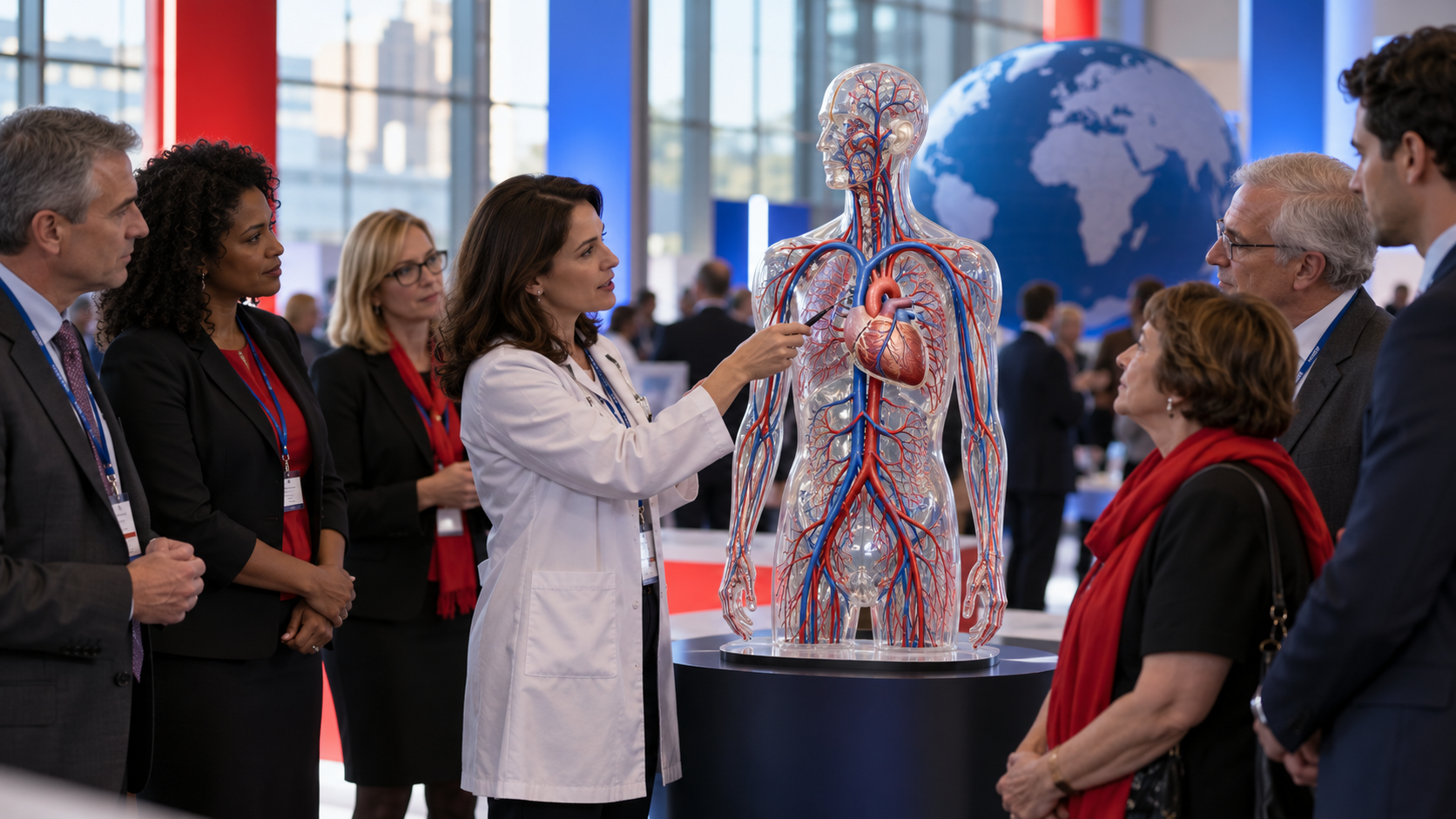
What happened on the date was consequential but limited. More than 175 organizations took part in the inaugural campaign, using education, public events, professional outreach, and coordinated media to explain prevention, warning signs, and the need for timely treatment. A broad campaign can blur important differences among deep-vein thrombosis, pulmonary embolism, stroke, and coronary disease. Individual risk assessment and medical evaluation remain essential because prevention and treatment can themselves cause bleeding. The distinction is important: the event did not instantly solve the underlying health problem, and later progress depended on follow-up research, training, policy, funding, and public trust. Contemporary evidence also helps separate what participants knew then from interpretations added after the result became famous.
Its longer legacy reaches beyond the original setting. The date created a recurring platform for patient stories, hospital quality improvement, research communication, and discussion of clot-related deaths that may otherwise be misclassified or overlooked. Today the campaign stresses movement, risk assessment, appropriate prophylaxis, rapid recognition, and access to diagnosis and anticoagulation, while research continues to balance clot prevention with bleeding safety. Seen in context, the anniversary is useful because it connects a concrete historical episode with continuing questions about evidence, access, safety, and responsibility in health care. That connection is stronger when the people affected, the limits of the achievement, and the work still unfinished remain part of the account.
More than 175 organizations took part in the inaugural campaign, using education, public events, professional outreach, and coordinated media to explain prevention, warning signs, and the need for timely treatment.
A broad campaign can blur important differences among deep-vein thrombosis, pulmonary embolism, stroke, and coronary disease. Individual risk assessment and medical evaluation remain essential because prevention and treatment can themselves cause bleeding.
The date created a recurring platform for patient stories, hospital quality improvement, research communication, and discussion of clot-related deaths that may otherwise be misclassified or overlooked.
Blood clots in veins and arteries contribute to venous thromboembolism, heart attack, and stroke, yet public recognition of clot risks and symptoms lagged behind the scale of harm. Hospitals also varied in assessing and preventing avoidable clots.
the International Society on Thrombosis and Haemostasis launched the first World Thrombosis Day on the birthday of pathologist Rudolf Virchow.
Today the campaign stresses movement, risk assessment, appropriate prophylaxis, rapid recognition, and access to diagnosis and anticoagulation, while research continues to balance clot prevention with bleeding safety.
Explore more of "On This Day ..."
Discover more events from the same date across news, politics, technology, sports, and other fields. Each link highlights significant moments that shaped history on different fronts.