

On This Day in Lifestyles: February 13, 1914
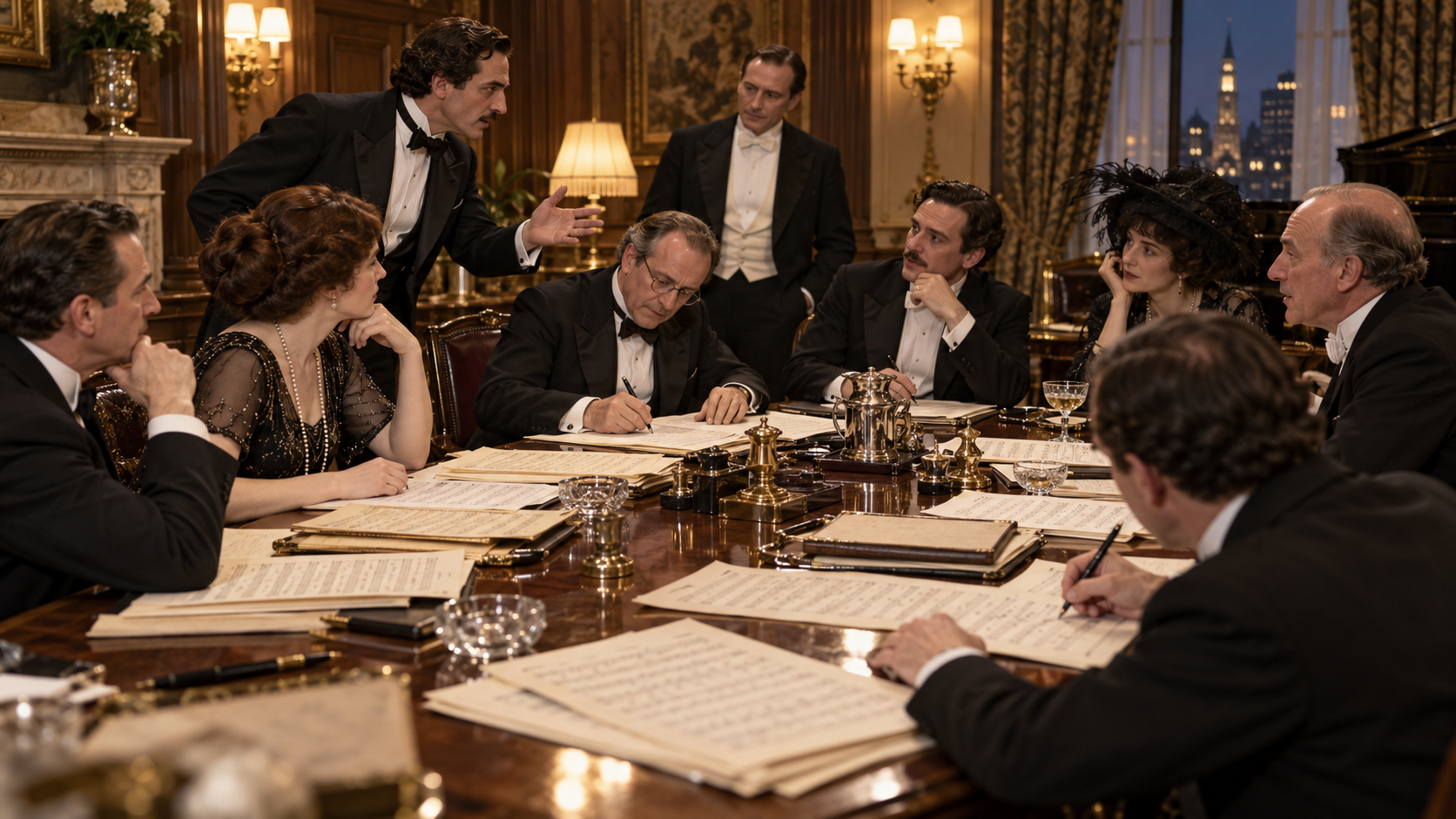
On February 13, 1914, composers, lyricists, and music publishers gathered in New York to establish the American Society of Composers, Authors and Publishers. The new organization sought to make sure creators were paid when their copyrighted music was performed publicly. In an era of theaters, restaurants, hotels, sheet music, and emerging mass entertainment, the value of a song extended far beyond its first sale. The date matters because it converted years of preparation into something the public could encounter directly. A broad change in culture became visible at human scale, through choices, routines, and spaces that ordinary people could recognize.
Copyright law recognized creative ownership, but individual writers had little practical ability to monitor thousands of performances or negotiate with every venue. Popular music was becoming a national business shaped by Tin Pan Alley, touring shows, vaudeville, and new communications technology. Collective licensing offered a solution: one organization could represent a large repertory, collect fees, and distribute royalties to members. That context explains why the milestone resonated beyond a single institution. Ideas that had once seemed specialized or remote were moving into public life, where they could be tested, repeated, debated, and woven into daily experience.
The system changed the relationship between music and public space. A song heard in a ballroom, nightclub, radio program, or later a television broadcast could generate payment for its creators. Businesses gained access to broad catalogs through licenses rather than one-by-one agreements. Conflict followed as broadcasters and venues resisted costs, while rival organizations and changing genres challenged how membership and royalties were allocated. The immediate impact was practical as well as symbolic. Participants adjusted habits and expectations, while newspapers, photographs, advertising, and conversation carried the story outward. The excitement of novelty existed alongside limits that later memory can easily smooth away.
Performance-rights organizations remain an important, debated part of the music economy, now tracking uses across broadcasting, streaming, concerts, restaurants, and digital platforms. Questions about transparency, sampling, global rights, and fair distribution continue. The 1914 meeting marked a decisive shift: songwriting was not only inspiration and craft, but labor whose repeated public use could be measured, licensed, and compensated. Its legacy is larger than an anniversary. The event survives in institutions and habits people now take for granted, while also inviting questions about access, representation, responsibility, and preservation. Looking back restores the human decisions behind a familiar part of modern life. The anniversary also reminds us that everyday life is where large historical forces become personal, repeated, debated, and ultimately durable.
Composers, lyricists, and music publishers formed the organization to manage public-performance rights collectively.
This detail helps place the anniversary in its original setting.
Individual writers could not monitor or negotiate every performance, while venues needed practical access to large music catalogs.
The wider context explains why the moment drew public attention.
Creators still depend on systems that identify uses and distribute royalties fairly across changing media.
Its legacy remains visible in contemporary culture and everyday life.
Explore more of “This Day in Lifestyles”
Discover more moments in everyday life, design, education, travel, food, fashion, and culture. Each story connects a calendar date with an event that changed how people lived.