

On This Day in Lifestyles: March 8, 1975
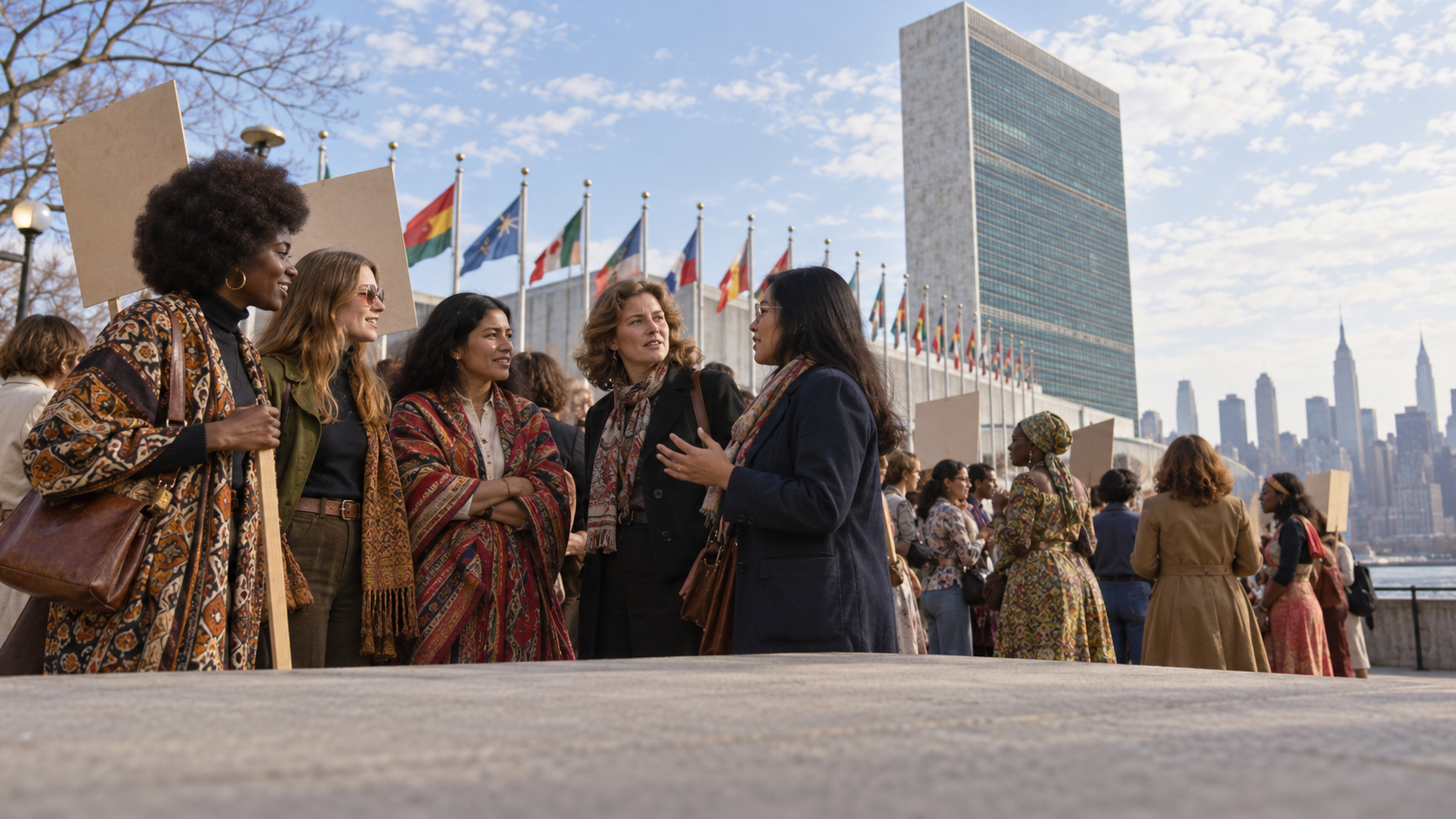
On March 8, 1975, During International Women’s Year, the United Nations began observing International Women’s Day on March 8. The recognition connected an older tradition of labor, suffrage, peace, and equality campaigns with a new international forum where governments and civil society could compare conditions across borders. The date matters in lifestyle history because a movement built by generations of organizers gained a recurring global civic platform. Rather than remaining an isolated announcement or demonstration, the moment gave people a new way to think about meeting, teaching, marching, recognizing achievement, and evaluating equality in daily institutions. Its importance became visible through familiar places, objects, and routines, where a broad historical change could be felt at human scale.
Women had organized March observances in different countries for decades, often linking political rights with wages, safety, education, family law, and peace. The 1975 UN observance did not create the movement, but it amplified it during a year of global conferences and public discussion. The setting shaped how contemporaries understood the event. workers, activists, students, families, public officials, educators, and women from varied cultures and circumstances encountered it through conferences, unions, schools, newspapers, community groups, international agencies, and public demonstrations. Those details show that social change usually travels through ordinary systems such as workplaces, schools, shops, homes, streets, or public institutions. What seems inevitable in hindsight depended on people testing, organizing, purchasing, teaching, maintaining, or protecting the idea in real time.
Official attention helped schools, workplaces, media organizations, unions, and community groups make gender equality a recurring subject rather than a single national campaign. The day provided space to celebrate achievement while documenting unpaid work, discrimination, violence, and barriers to participation. In daily life, communities created annual programs that connected personal experience with laws, workplace rules, education, and representation. The episode also exposed questions about celebration versus commercialization, symbolic recognition versus material change, and differing priorities across nations. Access and influence were never perfectly even, and later generations adapted the original development to different communities, values, and technologies. Still, the event changed expectations by making a visible date for sustained attention to women’s rights easier to imagine, recognize, or demand.
The UN General Assembly later invited countries to observe a day for women’s rights and international peace. March 8 now carries different meanings around the world, from public holiday and gift-giving tradition to protest, education, and policy advocacy. Today, echoes remain in public events, workplace programs, classrooms, campaigns, marches, and global policy conversations. Looking back helps separate the documented milestone from the myths that often accumulate around famous anniversaries. It also reminds us that lifestyle history is built from choices about design, health, work, leisure, communication, memory, and public space. On this day, the 1975 observance placed an established movement on an international calendar without closing the work it demanded.
During International Women’s Year, the United Nations began observing International Women’s Day on March 8. The recognition connected an older tradition of labor, suffrage, peace, and equality campaigns with a new international forum where governments and civil society could compare conditions across borders.
Women had organized March observances in different countries for decades, often linking political rights with wages, safety, education, family law, and peace. The 1975 UN observance did not create the movement, but it amplified it during a year of global conferences and public discussion.
Official attention helped schools, workplaces, media organizations, unions, and community groups make gender equality a recurring subject rather than a single national campaign. The day provided space to celebrate achievement while documenting unpaid work, discrimination, violence, and barriers to participation.
The larger theme was that a movement built by generations of organizers gained a recurring global civic platform.
The UN General Assembly later invited countries to observe a day for women’s rights and international peace. March 8 now carries different meanings around the world, from public holiday and gift-giving tradition to protest, education, and policy advocacy.
Today the story remains visible in public events, workplace programs, classrooms, campaigns, marches, and global policy conversations.
Explore more of “This Day in Lifestyles”
Discover more moments in everyday life, design, education, travel, food, fashion, and culture. Each story connects a calendar date with an event that changed how people lived.